
In the vast, interconnected landscape of the digital world, Internet Protocol (IP) addresses serve as the fundamental identifiers for every device communicating online. Just as a physical address directs mail to your home, an IP address guides data packets to their intended destination across the internet. While some IP addresses remain constant, known as static IPs, a far more common and versatile type is the dynamic IP address. These change periodically, offering a unique blend of flexibility, enhanced security, and cost-effectiveness for both individual internet users and sophisticated businesses.
This comprehensive guide delves into the intricate workings of dynamic IP addresses, unraveling their core benefits, addressing potential drawbacks, and exploring their diverse applications in today’s digital ecosystem. We will also highlight how advanced proxy solutions can empower users to fully leverage the power and agility of dynamic IP technology, transforming them from a simple network allocation into a strategic asset.
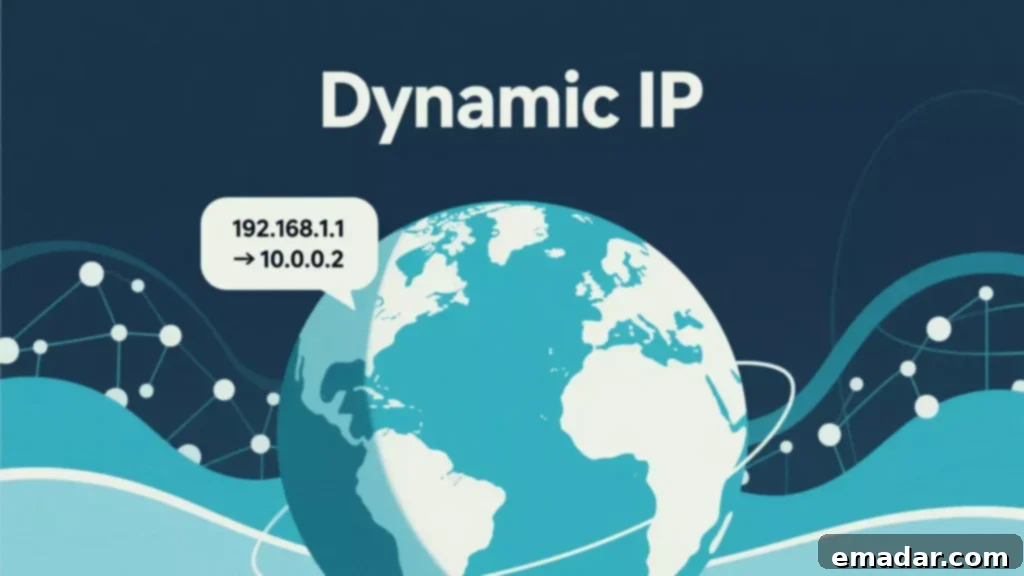
Understanding the Basics: What is an IP Address?
Before diving into the specifics of dynamic IPs, it’s essential to grasp the foundational concept of an IP address. An IP address is a numerical label assigned to each device connected to a computer network that uses the Internet Protocol for communication. There are two primary versions: IPv4 (e.g., 192.168.1.1) and the newer IPv6 (e.g., 2001:0db8:85a3:0000:0000:8a2e:0370:7334). These addresses enable devices to locate and communicate with each other, whether they are across the globe or on the same local network. Without IP addresses, the internet as we know it simply wouldn’t function.
What Exactly is a Dynamic IP Address?
A dynamic IP address is an Internet Protocol address that is not permanently assigned to a specific device. Instead, it is temporarily allocated by an Internet Service Provider (ISP) from a shared pool of available addresses. This assignment typically occurs when a device connects to the internet or renews its network lease. Unlike static IPs, which remain constant, dynamic IPs can change automatically over time, whether due to a device reconnecting, a router reset, or simply the expiration of an assigned lease period. This fluidity is managed by the Dynamic Host Configuration Protocol (DHCP), a network management protocol used for assigning IP addresses dynamically to devices on a network.
The primary reason ISPs favor dynamic IP allocation is resource management. With a finite number of IP addresses available (especially for IPv4), dynamically assigning them ensures that addresses are reused among a large customer base. When a device disconnects, its IP address is returned to the pool, ready to be assigned to another device. This efficient recycling process allows ISPs to serve more customers with fewer permanent addresses, which ultimately contributes to lower operational costs and, often, more affordable internet services for end-users.
How Dynamic IP Addresses Function: The DHCP Process
The seamless operation of dynamic IP addresses is orchestrated by the Dynamic Host Configuration Protocol (DHCP). Here’s a simplified breakdown of the process:
- DHCP Server Assignment: Every ISP operates one or more DHCP servers. These servers are responsible for managing a large pool of available IP addresses. When a device (like your computer, smartphone, or router) connects to the internet or requests an IP address, it sends a DHCP discovery message to the network.
- IP Address Lease: The DHCP server responds by offering an IP address from its pool. This assignment is not permanent; it comes with a “lease time,” which can range from a few hours to several days or even weeks. During this lease period, the device can use that specific IP address.
- Automatic Renewal and Changes: Before the lease expires, your device will typically attempt to renew it with the DHCP server. If successful, it retains the same IP. However, if the server is unable to renew the lease (e.g., due to network changes, server issues, or the address being needed elsewhere), or if your device disconnects and reconnects, it may be assigned a completely new IP address from the available pool. This entire process is automated, requiring no manual configuration from the user.
This automated, cyclical process ensures that IP addresses are efficiently distributed and reused across the ISP’s network, preventing the exhaustion of address space and simplifying network administration.
Key Advantages of Dynamic IP Addresses
Dynamic IP addresses offer several compelling benefits that make them the standard choice for most internet users and an invaluable tool in specific business contexts:
1. Cost-Effective Internet Access
For most ISPs, dynamic IP allocation is the most efficient and economical way to manage their network resources. By reusing IP addresses among a large number of customers, they can avoid purchasing and maintaining a vast pool of static IPs. These savings are often passed on to consumers, making dynamic IP addresses the standard and often free option bundled with most internet service packages. This makes them ideal for individuals and small businesses who don’t have specialized needs requiring a fixed IP.
2. Enhanced Privacy and Anonymity
While dynamic IPs don’t offer complete anonymity, the periodic change in your IP address makes it significantly harder for third parties to track your online activity over extended periods. Advertisers, data brokers, and even malicious actors find it more challenging to build a comprehensive profile of your digital footprint when your identifier frequently shifts. This natural rotation provides a layer of defense against persistent tracking and can contribute to a greater sense of online privacy.
3. Improved Security Posture
Frequent IP changes can act as a subtle security measure. For potential hackers or targeted cyberattacks, having a constantly shifting target makes it more difficult to launch persistent assaults like Denial-of-Service (DoS) attacks or continuous port scanning. If a malicious entity identifies your IP address, a dynamic change means their information quickly becomes outdated, forcing them to re-identify your new address, thus adding a hurdle to their efforts.
4. Simplified Network Management and Configuration
One of the most user-friendly aspects of dynamic IPs is their “set it and forget it” nature. The DHCP protocol automates the entire IP assignment process, eliminating the need for users to manually configure network settings on their devices. This plug-and-play functionality simplifies connecting new devices to the internet and reduces the chances of configuration errors, making internet access hassle-free for the average user.
5. Efficient Use of IP Address Space
From an infrastructure perspective, dynamic IPs are crucial for the efficient management of the global IP address pool, particularly with IPv4 addresses becoming scarce. ISPs can serve a larger customer base with a smaller block of IP addresses, as these addresses are only assigned when actively in use. This resource efficiency is vital for the continued scalability and operation of the internet.
Potential Disadvantages and Considerations of Dynamic IPs
While dynamic IPs offer numerous benefits, there are specific scenarios where their mutable nature can present challenges:
1. Not Ideal for Hosting Services or Remote Access
The most significant drawback of a dynamic IP is its incompatibility with services that require a consistent, unchanging address. If you wish to host a website, a game server, or any service that external users need to access directly via an IP, a dynamic IP can cause major issues. Every time your IP changes, your server effectively disappears from its previous address, making it unreachable until the new address is communicated. This also applies to remote desktop access or VPN servers hosted on a home network, where a stable IP is paramount for reliable connectivity.
2. Potential Geo-Location Inaccuracies
IP address databases often associate IPs with specific geographical locations. When your dynamic IP changes, it might be assigned an address that was previously used by someone in a different region, or simply one that is inaccurately geolocated by various services. This can lead to minor inconveniences like receiving localized ads for a different city, or more significant issues such as encountering geo-blocking restrictions for content you should have access to, or triggering security alerts for login attempts from an “unusual” location.
3. Inconsistent Access with Certain Online Services
Some online services, particularly those with strict security protocols (e.g., banking portals, online gaming platforms, or secure enterprise applications), may view frequent IP address changes from the same user as suspicious activity. This can sometimes lead to automatic logouts, requiring re-authentication, or even temporary bans or account suspensions until the user verifies their identity, creating frustrating interruptions in service.
4. Reliance on Dynamic DNS for Specific Needs
For users who want the benefits of a dynamic IP but still need remote access to their home network or to host a personal service, a Dynamic DNS (DDNS) service becomes necessary. DDNS links a memorable hostname (e.g., myhome.ddns.net) to your current dynamic IP address, updating automatically whenever your IP changes. While effective, it adds an extra layer of configuration and reliance on a third-party service, which static IPs inherently avoid.
Diverse Applications of Dynamic IP Addresses
Despite their limitations in specific hosting scenarios, dynamic IPs are perfectly suited for and widely used across a broad spectrum of digital activities:
- Personal Internet Browsing: For the vast majority of everyday internet users, dynamic IPs are ideal. They offer reliable connectivity for email, social media, news browsing, online shopping, and all general web activities without any need for a fixed address.
- Streaming, Gaming, and Entertainment: Consuming media, engaging in online gaming, and accessing various entertainment platforms function perfectly well with dynamic IPs. The changing nature of the address has no impact on the performance or accessibility of these services.
- Enhanced Personal Security and Privacy: Users who are particularly concerned about their digital footprint and wish to make it harder for persistent tracking will appreciate the inherent privacy benefit of a rotating IP. While not a substitute for a VPN, it adds a layer of obfuscation.
- Powering Advanced Proxy Networks for Web Scraping and Data Collection: This is where dynamic IPs truly shine in business applications. For tasks like web scraping, market research, or ad verification, frequently changing IPs (often delivered via rotating proxy services) are crucial. They allow businesses to collect vast amounts of data without being detected, blocked, or rate-limited by target websites, simulating requests from numerous unique users.
Dynamic IP in the Business Ecosystem: The Role of Proxies
Beyond individual use, dynamic IP addresses play a pivotal role in powering sophisticated business operations, particularly through the use of proxy networks. For enterprises engaged in activities like competitive intelligence, market analysis, or brand protection, accessing information from various geographical locations and without triggering anti-bot measures is critical. Dynamic residential proxies, which leverage real dynamic IPs from legitimate ISPs, are invaluable tools for this.
- Web Scraping and Large-Scale Data Collection: Businesses often need to collect vast amounts of publicly available data from websites for market analysis, price comparisons, or trend identification. Dynamic IPs, especially those sourced from residential networks, are essential for rotating IP addresses to avoid detection and IP bans, ensuring uninterrupted data flow.
- Market Research and Localized Content Verification: To understand consumer sentiment or verify pricing strategies across different regions, businesses need to simulate user access from various locations. Dynamic IPs from a diverse global network enable accurate geographical targeting for research.
- Ad Verification and Fraud Prevention: Companies use dynamic IPs to verify that their advertisements are being displayed correctly, in the right locations, and not falling victim to ad fraud. By rotating IPs, they can check ad placements from multiple vantage points without raising red flags.
- Brand Protection and Compliance Monitoring: Monitoring the internet for unauthorized use of trademarks, counterfeit products, or regulatory compliance requires extensive browsing from different perspectives. Dynamic IPs facilitate this large-scale, anonymous surveillance.
- Social Media Management: For brands managing multiple social media accounts or engaging in large-scale social listening, using rotating dynamic IPs can help avoid platform restrictions and appear as diverse users, minimizing the risk of account suspensions.
Leveraging Dynamic IP Technology with IPFLY Solutions
To fully harness the power of dynamic IP addresses, especially in complex business environments, specialized proxy solutions are often necessary. This is where providers like IPFLY excel, offering robust dynamic IP proxy solutions designed for performance, flexibility, and security.
- Comprehensive Global Proxy Network: IPFLY provides access to a vast network of dynamic IP addresses sourced from numerous countries and regions worldwide. This extensive geographical coverage ensures that businesses can perform geo-targeted operations, bypass geo-restrictions, and gather localized data with unparalleled accuracy and reach.
- Unparalleled Performance and Reliability: Optimized for high-speed data transfer and minimal latency, IPFLY’s infrastructure guarantees reliable connections. Their dynamic IP rotation mechanisms are seamlessly integrated, ensuring that IP changes occur without disrupting ongoing operations, which is crucial for time-sensitive tasks like web scraping or real-time market analysis.
- Robust Security and Anonymity: IPFLY enhances the inherent privacy benefits of dynamic IPs by providing secure connections with advanced encryption and stringent privacy measures. Users can browse, collect data, and manage operations with confidence, knowing their activities are protected from surveillance and data breaches.
- Scalability for Diverse Business Needs: Whether you’re a small startup needing a few rotating IPs or a large enterprise requiring hundreds of thousands for extensive data projects, IPFLY’s solutions are built for scalability. Their flexible plans and robust infrastructure can accommodate growing demands, making them suitable for both personal and high-volume commercial needs.
- User-Friendly Integration: IPFLY designs its proxy solutions for ease of use, ensuring straightforward integration with existing tools and workflows. This reduces the technical barrier for businesses looking to leverage dynamic IP technology efficiently.
Conclusion

Dynamic IP addresses are a cornerstone of modern internet communication, offering an efficient, secure, and cost-effective approach to online access. Their ability to change periodically provides significant advantages in terms of enhanced privacy, improved security against targeted attacks, and simplified network management for the average user. While they may not be the ideal choice for dedicated server hosting or services requiring a fixed address, their benefits far outweigh the limitations for most everyday internet activities.
Furthermore, for businesses operating in data-intensive or geographically diverse markets, dynamic IPs—especially when integrated into sophisticated proxy networks—are indispensable. They unlock possibilities for extensive web scraping, detailed market research, stringent ad verification, and robust brand protection. Providers like IPFLY are at the forefront of this technology, making it easier than ever to leverage dynamic IP solutions with superior performance, unparalleled flexibility, and ironclad security.
Whether you’re an individual seeking better online privacy or a large enterprise aiming to scale your digital operations, embracing the right dynamic IP solution is crucial for staying agile, secure, and competitive in the ever-evolving digital landscape. Discover how IPFLY can empower your online journey and business objectives.
Visit IPFLY today to explore their comprehensive suite of dynamic IP proxy solutions, or join the vibrant IPFLY Telegram community to engage with experts, explore practical guides, stay abreast of industry trends, and access valuable resources.