
Imagine the frustration: you’re eager to watch a trending music video, an exclusive movie trailer, or a crucial tutorial on YouTube, only to be met with the dreaded message, “This video is not available in your country.” This common roadblock, known as geo-blocking, is a digital barrier that restricts access to online content based on your geographical location. For countless users worldwide, it means missing out on a vast library of American-exclusive content due to licensing agreements, regional broadcasting rights, or even local regulations. This is where the American YouTube proxy emerges as a powerful solution, acting as your digital passport to unrestricted access.
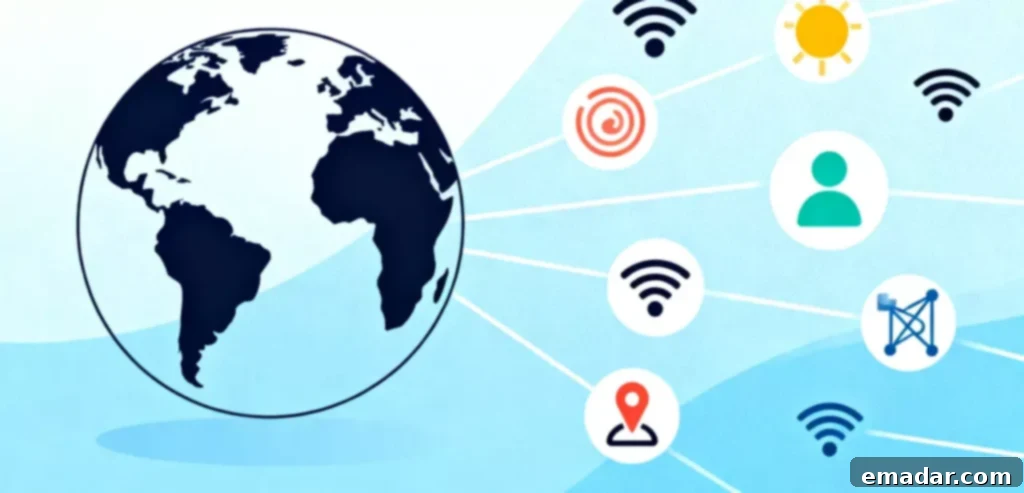
An American YouTube proxy functions as an intelligent intermediary, rerouting your internet traffic through a server located in the United States. By doing so, it effectively masks your actual IP address and replaces it with an American one. To YouTube’s servers, it appears as though you are browsing directly from the U.S., instantly unlocking a treasure trove of content that was previously off-limits. This isn’t just about entertainment; it’s about digital freedom, ensuring you can access the information, education, and culture you seek, regardless of where you are physically located.
Understanding Geo-Blocking: The Digital Border Patrol
From a scientific and technical perspective, geo-blocking is a sophisticated form of digital border control. Content platforms like YouTube employ IP geolocation technology to enforce these restrictions. Every device connected to the internet is assigned a unique IP (Internet Protocol) address. This IP address contains identifiable information, including your approximate geographic location. Databases, such as those provided by MaxMind or other IP intelligence services, meticulously map IP addresses to physical locations. When you attempt to access content, YouTube’s servers query these databases in milliseconds, determining your location and, consequently, whether you are granted access or presented with a geo-restriction message.
The reasons behind geo-blocking are multifaceted, primarily stemming from complex legal and commercial frameworks. Content creators, production studios, and distributors often sell broadcasting and streaming rights on a region-by-region basis. This allows them to maximize revenue by tailoring content distribution to specific markets, often influenced by local advertising rates, cultural preferences, and competitive landscapes. For instance, a movie studio might sell the exclusive streaming rights for a film in the U.S. to one platform and in Europe to another. Geo-blocking is the technical enforcement mechanism for these contractual obligations, ensuring that content remains exclusive to its licensed territories.
How an American YouTube Proxy Bypasses These Digital Walls
An American YouTube proxy skillfully counters geo-blocking by serving as a crucial intermediary server between your device and YouTube. When you initiate a request to watch a video, it first travels to the proxy server. This server, located within the U.S., then forwards your request to YouTube using its own U.S.-based IP address. To YouTube’s system, the request appears to originate from an American user, allowing the content to be served without restriction. This seamless process is powered by network address translation (NAT), a fundamental protocol that modifies the network address information in the IP header of data packets while leaving the data payload intact. It’s akin to a skilled diplomat translating a message into a different language, ensuring the meaning is conveyed accurately and without alteration, but presented in a way that is understood and accepted by the recipient.
Proxies utilize various protocols to handle internet traffic, with HTTP and SOCKS being the most common. HTTP proxies are ideal for web browsing but can sometimes struggle with streaming due to their request-response nature. SOCKS proxies, particularly SOCKS5, offer greater flexibility as they can handle any type of traffic, including UDP (User Datagram Protocol), which is crucial for smooth video streaming and real-time data transfer. This capability ensures that videos stream smoothly, minimizing buffering spikes and delivering a high-quality viewing experience, even for demanding 4K content.
Why the Focus on American Proxies for YouTube?
The United States holds a unique position in the global content landscape. Due to its massive entertainment industry, extensive licensing deals, and being the origin point for many global platforms, the U.S. hosts a disproportionately large chunk of YouTube’s premium, exclusive, and trending content. This makes obtaining a U.S. IP address highly sought after for unrestricted viewing. For example, official music videos from major record labels, exclusive movie trailers, live sports broadcasts (often available through YouTube TV, which is U.S.-only), and even certain educational tutorials or brand-specific content might be geo-restricted to U.S. IPs. International users, without a proxy, are often left in the dark, unable to access these vital resources.
By leveraging an American YouTube proxy, you effectively circumvent these regional content walls. However, the effectiveness and security of your proxy setup are paramount. High-quality residential proxy IPs, such as those offered by reputable providers like IPFLY, can significantly enhance your American YouTube proxy experience. Residential proxies are sourced from real internet service providers (ISPs) and assigned to legitimate home users. This makes them appear as ordinary users, blending seamlessly with normal internet traffic. This authenticity drastically reduces the risk of detection and blocking by YouTube’s sophisticated anti-proxy systems, ensuring prolonged and uninterrupted streaming sessions. Unlike datacenter proxies, which are easier to identify, residential IPs offer unparalleled stealth and reliability for accessing geo-restricted content.
The Underlying Science of Geo-Location and Proxy Rerouting
Geo-blocking is far from arbitrary; it’s a meticulously engineered system built upon vast IP databases. These databases constantly collect and cross-reference IP addresses with detailed location data, gathered from internet service providers (ISPs), public registries, and even user-reported data. YouTube’s content delivery network (CDN) servers, often utilizing edge computing (servers strategically placed closer to users to minimize latency), perform these IP lookups in mere milliseconds. This rapid verification determines whether a user’s IP matches a permitted region, dictating whether the content is served or a “not available” message appears.
Proxies reverse this dynamic by introducing a strategic intermediary. When you connect through an American proxy, your actual IP address becomes obscured, and the proxy’s U.S. IP takes center stage in all communications with YouTube. As mentioned, SOCKS5 proxies are particularly advantageous for streaming services due to their ability to handle UDP traffic efficiently, which is vital for smooth, real-time video playback. Beyond simply bypassing restrictions, many premium proxy services also incorporate robust encryption. This added layer of security protects your data from potential snooping, especially when you’re connected to public Wi-Fi networks, effectively acting as a digital shield against cyber threats and ensuring your online activities remain private.
Echoes in Nature: Proxy’s Ingenuity
The ingenious mechanism of proxies finds fascinating parallels in the natural world. Consider how birds navigate vast distances, guided by Earth’s invisible magnetic fields, to reach warmer climates for survival. Similarly, proxies skillfully guide your data along hidden digital routes, enabling it to reach “warmer” content zones that would otherwise be inaccessible. However, just as a bird’s flight path can be observed, prolonged use of a single proxy IP can lead to it being flagged by content providers. Therefore, IP rotation—the practice of regularly switching between different U.S. IP addresses—becomes paramount. This mimics the natural variability in network traffic, helping users stay under the radar and maintain consistent, uninterrupted access to American YouTube content.
Key Features of an Effective American YouTube Proxy
An American YouTube proxy that truly delivers goes far beyond merely unblocking content; it must do so reliably, securely, and efficiently. Here are the critical features to look for:
- High-Speed Servers: Essential for handling bandwidth-intensive tasks like 4K video streaming without frustrating buffering. This is achieved through optimized routing paths that minimize the number of “hops” between your device and YouTube’s content delivery networks (CDNs).
- Robust Encryption Support: Protocols like HTTPS or more advanced encryption mechanisms are vital. They protect your data from interception and ensure your online activities remain private, especially important when accessing sensitive information or using public Wi-Fi.
- Extensive IP Pool and Rotation: A large pool of U.S. IP addresses, coupled with automatic IP rotation, prevents bans and maintains consistent access. If one IP gets flagged, another fresh one immediately takes its place, ensuring continuous streaming.
- Residential IP Options: As discussed, residential proxies offer superior authenticity and are far less likely to be detected and blocked than datacenter IPs, making them the gold standard for YouTube access.
- User-Friendly Interface: Setup should be straightforward, often involving a simple browser extension or a few configuration steps. Mobile compatibility is also crucial for seamless access across all your devices, whether you’re on a smartphone or a tablet.
- Ad Blocking (Optional but desirable): Some advanced proxy services offer integrated ad-blocking capabilities, further enhancing the streaming experience by removing intrusive advertisements.
- Bandwidth Management: For users with data caps, features that help manage and monitor bandwidth usage can be very beneficial.
- Reliable Customer Support: In case of technical issues, responsive and knowledgeable customer support is invaluable.
These elements transform a simple proxy into an indispensable tool for anyone seeking to overcome geo-restrictions, from globetrotting individuals to content creators who rely on U.S.-exclusive features like specific music libraries or advanced ad monetization options.
Practical Applications: Beyond Entertainment
The utility of American YouTube proxies extends far beyond casual entertainment, offering significant advantages across various professional and personal domains:
- For Content Creators: Access to U.S.-only features such as advanced analytics, region-specific trend data, and partnership programs can be crucial for optimizing videos for a global audience. Creators can analyze competitor strategies, identify trending topics within the U.S. market, and ensure their monetization settings are correctly configured for maximum reach.
- For Researchers and Academics: Proxies enable researchers to study U.S.-specific cultural trends, view localized advertising campaigns, or analyze viral video phenomena without location bias. This provides a genuine insight into American online behavior and media consumption, invaluable for sociological, marketing, and media studies.
- For Travelers and Expats: Whether for maintaining access to familiar entertainment, staying updated on local news, or simply continuing an educational course, proxies allow travelers and expatriates to unblock their favorite U.S.-based shows and content that might otherwise be unavailable due to differing regional licensing agreements.
- For Education: Students and educators can access a broader spectrum of learning resources, including U.S.-based tutorials, academic lectures, and documentaries that are often region-locked. This democratizes access to knowledge and enhances educational experiences worldwide.
- For Businesses and Marketers: Companies can leverage American proxies for market testing, simulating the perspective of U.S. users to evaluate the performance of ad campaigns, conduct competitor analysis, or assess the localized appeal of their content. Integrating high-quality residential proxy IPs, like those provided by IPFLY, with American YouTube proxy setups is particularly beneficial here. These real, home-based U.S. addresses ensure high authenticity for critical tasks such as video verification, trend analysis, and brand monitoring, significantly reducing the risk of detection and skewed data.
Hands-On Tutorials: Setting Up Your American YouTube Proxy
Getting started with an American YouTube proxy can be straightforward. Here are a few common methods:
1. Basic Web Proxy Setup for Beginners
This is the simplest method, ideal for occasional use. While convenient, free web proxies often come with limitations in speed, reliability, and security, and may not always work with YouTube’s sophisticated detection methods.
- Open your web browser and search for a reputable “free American YouTube web proxy” service.
- Once on the proxy site, locate the URL input bar.
- Type
youtube.cominto the bar and click the “Go” or “Browse” button. - You should now be browsing YouTube through the proxy server. Navigate to a known U.S.-exclusive video to confirm that geo-locks have been lifted.
2. Advanced Configuration with Browser Extensions (Recommended for Consistency)
Browser extensions offer a more integrated and reliable experience, especially when using premium proxy services.
- First, acquire an American proxy IP address and port from a reliable provider (e.g., a SOCKS5 residential proxy from a service like IPFLY).
- Install a popular proxy management browser extension like FoxyProxy Standard (available for Chrome and Firefox).
- Open the FoxyProxy extension settings and click “Add New Proxy.”
- Select the protocol (e.g., SOCKS5) and enter the U.S. IP address and port number provided by your proxy service. If required, enter your username and password.
- Configure the rules to apply this proxy specifically to YouTube domains (e.g.,
*.youtube.com/*) to ensure other sites aren’t unnecessarily routed. - Save your settings and activate the proxy for YouTube.
- Load YouTube in your browser. To verify your IP change, visit a website like
whatismyip.com– it should now display a U.S. IP address.
3. Optimizing for Streaming Quality
To ensure the best possible streaming experience, consider these optimizations:
- Always choose a proxy service known for its high-bandwidth servers and low latency, ideally with multiple server locations within the U.S.
- In your browser’s settings, ensure hardware acceleration is enabled for video playback. This offloads video processing to your GPU, improving performance.
- Test video quality by playing content at 1080p or even 4K (if your connection supports it), closely monitoring for any buffering or drops in resolution.
- If you experience frequent buffering or content blocks, utilize IP rotation features offered by your proxy provider. Cycling through different U.S. IPs can often resolve connectivity issues and avoid flagged addresses.
- Clear your browser’s cache and cookies regularly, as cached data can sometimes interfere with proxy connections or reveal your true location.
Ethical Considerations and Best Practices for Proxy Use
While an American YouTube proxy offers incredible access, it’s crucial to use it responsibly and ethically. The primary goal should be to access content for legitimate personal viewing, research, or business purposes, respecting intellectual property rights and content licenses. Avoid using proxies for illicit activities, copyright infringement, or any form of piracy, as this can have serious legal consequences and undermine the integrity of proxy services.
For enhanced security and privacy, consider combining your proxy setup with a Virtual Private Network (VPN). A VPN encrypts your entire internet connection, adding an extra layer of protection, whereas a proxy typically only reroutes specific application traffic. Additionally, always use a reputable antivirus and anti-malware software to guard against potentially malicious proxies, especially if you’re tempted to use free, untrustworthy services that might compromise your data.
By adhering to these best practices, you can safely and effectively navigate the global digital landscape, leveraging the power of an American YouTube proxy to unlock a world of content that was once out of reach. It’s a blend of technology and convenience, designed to enhance your online experience securely and reliably.