Tutorial
Why Subnet-Level Blocks Happen (And How to Save Your Burned Proxy Pools)
There’s nothing more frustrating than a suddenly burned proxy pool. You spend hours setting up your scraper, test it with a few requests and everything works…
There’s nothing more frustrating than a suddenly burned proxy pool. You spend hours setting up your scraper, test it with a few requests and everything works perfectly. You scale it up to full volume, and within a few hours, every single request gets a CAPTCHA or a 403 Forbidden error.
You try rotating IPs, changing user agents, even rewriting your scraper – nothing works. What you don’t realize is that the website hasn’t blocked your individual IPs. It has blocked the entire subnet your proxies are using.
In this guide, we’ll explain exactly why subnet-level blocks happen, how anti-abuse systems decide which subnets to block, and what you can do to recover a partially burned pool. We’ll also share proven strategies to prevent subnet bans from happening in the first place.
How Anti-Abuse Systems Detect and Block at the Subnet Level
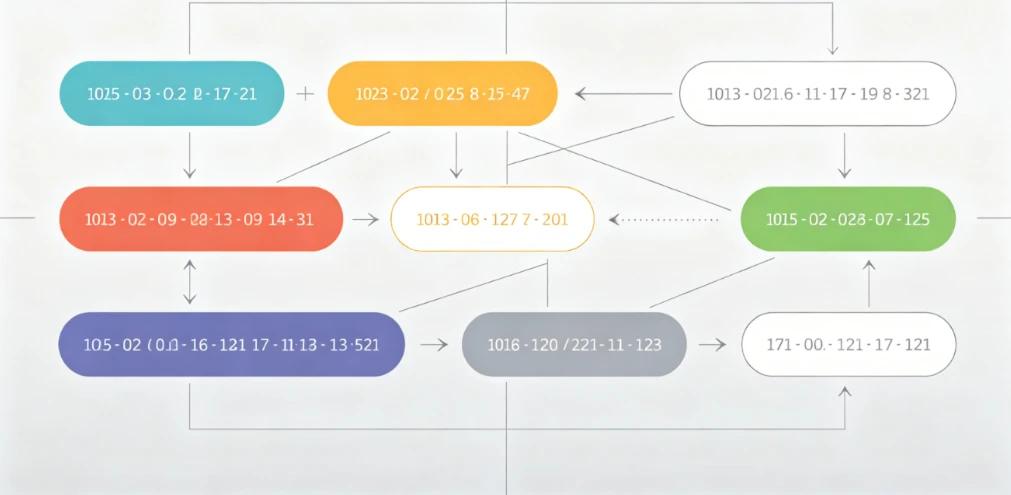
Modern anti-abuse systems are designed to stop automated traffic at scale. Blocking individual IPs is ineffective against bots that can rotate through thousands of addresses. So instead, anti-abuse systems look for patterns across groups of related IPs.
Here’s how it works:
1.The system detects bot-like behavior from a single IP address
2.It checks how many other IPs from the same subnet have exhibited similar behavior
3.If the percentage of bad IPs in the subnet exceeds a certain threshold (usually 5-10%), the entire subnet is flagged as suspicious
4.All traffic from that subnet is then subjected to increased scrutiny: more CAPTCHAs, slower response times, and eventually complete blocks
There are two types of subnet blocks:
- Soft blocks: The website doesn’t completely block the subnet, but it shows CAPTCHAs on 80-90% of requests. This is the most common type of block.
- Hard blocks: The website completely denies all access from the subnet. This is rare and usually only happens if the subnet has been used for extremely abusive activity like DDoS attacks.
What Exactly Triggers a Subnet-Level Block
Subnet blocks are almost always caused by too much similar traffic from the same subnet in a short period of time. The most common triggers are:
- Sending more than 10-20 requests per hour from any single IP in the subnet
- All requests from the subnet having the same or very similar browser fingerprints
- All requests from the subnet accessing the same few pages or endpoints
- Requests from the subnet happening at perfectly regular intervals
- The subnet having a history of past abuse from other proxy users
It’s important to note that you don’t have to be the one who caused the block. If another user of the same proxy provider abused the subnet before you, it could already be flagged when you get it. This is why subnet reputation is so important.
The Limits of IP Rotation When Your Subnet Is Burned
Once a subnet is burned, IP rotation becomes completely useless. You can rotate through every single IP in the subnet, but the website will still treat all of them as suspicious.
Many proxy users make the mistake of buying more IPs from the same provider when their pool gets burned. But if the new IPs are from the same subnets as the old ones, you’ll just run into the exact same problem.
The only way to get around a subnet block is to switch to IPs from completely different subnets and ASNs.
How to Recover a Partially Burned Proxy Pool
If your proxy pool has been partially burned (some subnets are blocked, others are still working), you can recover it instead of throwing it away entirely. Follow these steps:
1.Audit your pool: Check every IP in your pool to see which subnets are blocked. You can do this by sending a test request to the target website from each IP.
2.Isolate blocked subnets: Remove all IPs from blocked subnets from your active rotation pool. Set them aside for later use.
3.Segment working subnets: Split your working subnets into small groups of 1-2 subnets each. Assign each group to a specific task or scraper instance.
4.Reduce request volume: Cut your request rate per subnet by 50-75% to avoid triggering additional blocks.
5.Implement staggered rotation: Rotate between different subnet groups instead of rotating individual IPs. This ensures no single subnet gets too much traffic.
6.Retire blocked subnets: Keep blocked subnets retired for 30-90 days. Most websites reset subnet reputations after a few months of inactivity.
IPFLY automatically isolates affected subnets at the first sign of a block, preventing cross-contamination between different parts of your pool. Our system continuously monitors subnet reputation across major platforms, and we retire high-risk ranges before they impact your operations.
Proactive Measures to Prevent Subnet Bans
The best way to deal with subnet blocks is to prevent them from happening in the first place. Follow these best practices:
1.Prioritize subnet diversity: Always choose proxy providers with high subnet and ASN diversity.
2.Distribute traffic evenly: Spread your requests across as many different subnets as possible. Never send more than 5 requests per hour from any single subnet.
3.Vary your behavior: Make sure each scraper instance has a unique browser fingerprint, request pattern, and schedule.
4.Use session stickiness: Keep the same IP for an entire session instead of rotating IPs for every request. This looks much more natural to anti-abuse systems.
5.Monitor subnet health: Regularly check the performance of each subnet in your pool. If you notice an increase in CAPTCHAs from a subnet, reduce its traffic immediately.
IPFLY’s intelligent traffic distribution system automatically spreads requests across thousands of distinct subnets, ensuring no single subnet receives enough traffic to trigger anti-abuse alerts. This eliminates the most common cause of subnet-level blocks before they happen.

Subnet-level blocks are the biggest threat to reliable proxy operations. But by understanding how anti-abuse systems work, distributing your traffic across diverse subnets, and monitoring subnet health, you can minimize the risk of getting blocked.
If you do get hit with a subnet block, don’t panic. Follow the recovery steps outlined in this guide, and you can salvage most of your proxy pool. And remember: the best defense against subnet blocks is a proxy provider that prioritizes network diversity over raw IP count.
In our next guide, we’ll show you how to build enterprise-grade proxy infrastructure that is resistant to subnet-level blocks even at the highest volumes.