Proxy 101
Native IP and Residential IP: Twin brothers in the world of networking.
In the world of networking, an IP address is like a house number for every device, allowing us to locate and communicate with it. Among the vast number of IP…
In the world of networking, an IP address is like a house number for every device, allowing us to locate and communicate with it. Among the vast number of IP addresses, native IPs and residential IPs are like twin brothers in the digital realm. Although they are similar, each has its unique characteristics and uses.
Native IP
It’s just like the “original house number” obtained directly from the network service provider. It has not been processed or forwarded through any intermediate links and directly represents the unique identity of the device on the Internet. This type of IP address is usually used in environments that require a stable and efficient network connection, such as data centers, cloud services, etc. It is like the highway in the cyber world, enabling your data to reach its destination unimpeded.
Residential IP
It is more like the “temporary house number” in a home network. It is dynamically assigned to users by the home Internet service provider and may change each time the network is reconnected. This type of IP address is more commonly used for the Internet access needs of home networks and individual users, such as social media, streaming media services, etc. It is like the alley in the cyber world. Although it is winding and changeable, it can still take you to the places you want to go.
So, what are the differences between native IP and residential IP? In simple terms, native IP is more stable and efficient, making it suitable for applications with high requirements for network speed and stability. On the other hand, residential IP is more flexible and changeable, and is suitable for some scenarios that require simulating the behavior of real users, such as market research, advertising testing, etc. In addition, since native IP is directly assigned by the network service provider, it is usually not subject to too many network access restrictions, while residential IP may be subject to some restrictions, such as limitations on access frequency or traffic.
Overall.
Native IPs and Residential IPs are like twin brothers in the world of networking. They each have their own strengths, and which one suits you better depends entirely on your specific needs!
What proxy should I choose?
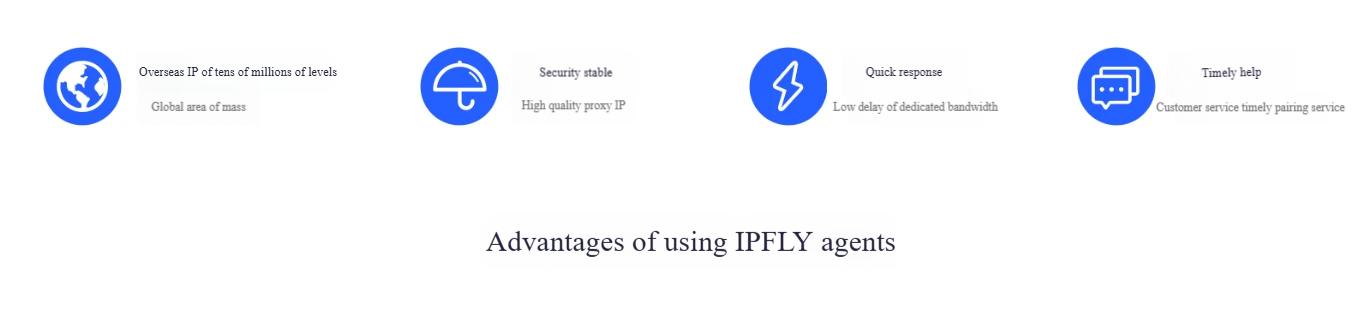
The professional agency IPFLY specializes in business-grade static residential exclusive clean IPs, catering to proxy IP needs across various business scenarios. With 100% real human-like IP attributes, whether your business involves cross-border e-commerce or streaming media, it can perfectly assist you in achieving your business goals.