
As TikTok continues its meteoric rise to global prominence, captivating billions of users worldwide, it has become an indispensable platform for content creators, brand marketers, and social media strategists alike. However, a growing number of TikTok users are encountering a frustrating and disruptive issue: frequent account verification requests. This not only interrupts their daily activities and content creation flow but can also lead to a decrease in account authority (or “weight”) and, in severe cases, even account suspension. Understanding the root causes of these persistent verification demands is crucial for anyone looking to maintain a stable and thriving presence on TikTok. This comprehensive guide will delve into the various factors contributing to frequent TikTok account verifications and provide actionable strategies to help users establish a more secure and consistent operational environment.
Understanding Frequent TikTok Account Verification: Common Triggers and Solutions
Frequent account verification on TikTok can be a significant hurdle for creators and businesses. It often signals that TikTok’s robust security algorithms have detected unusual activity, leading to protective measures to ensure account integrity. By identifying and addressing these underlying issues, users can significantly reduce the likelihood of encountering these disruptive checks and foster a more reliable platform experience.
1. IP Address and Network Proxy Instability
One of the primary reasons TikTok accounts face repeated verification is directly linked to the IP address and network environment from which they are accessed. TikTok’s sophisticated fraud detection systems closely monitor IP changes and the nature of the network connection.
The Pitfalls of Unstable Network Proxies
Utilizing network proxies is a common strategy for users operating across different geographical regions or seeking enhanced privacy. However, not all proxy services are created equal. If a proxy service lacks stability, it can lead to frequent and abrupt changes in your IP address. TikTok’s security protocols are designed to flag such rapid IP switching as a potential anomaly or suspicious login attempt. Imagine trying to access your bank account from multiple, wildly different locations within a short timeframe – the system would immediately trigger security alerts. Similarly, TikTok interprets frequent IP changes as a risk, prompting verification requests to confirm the legitimate user’s identity. To mitigate this, choosing a proxy known for its stability and consistent performance is paramount.
The Impact of Non-Residential IP Addresses
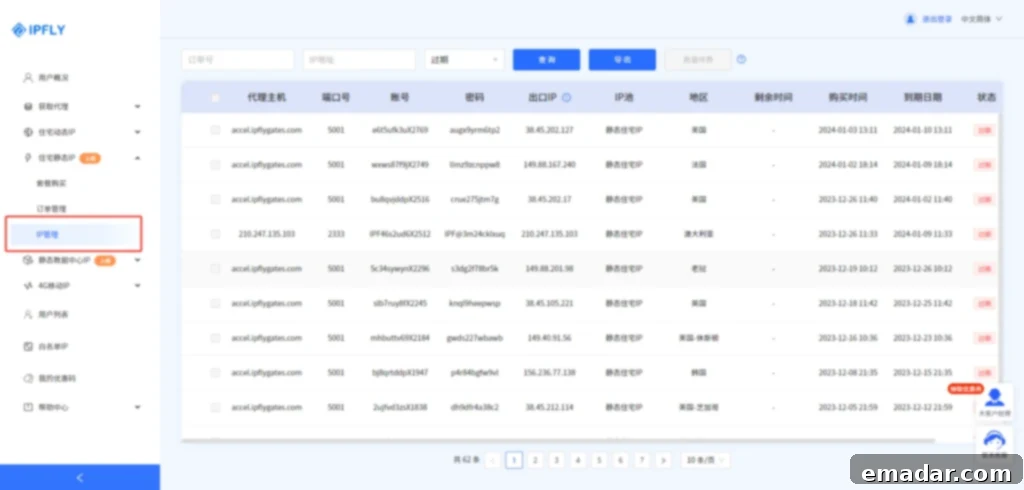
Another critical factor is the type of IP address being used. IP addresses can broadly be categorized into data center IPs and residential IPs. Data center IPs typically originate from large server farms and are often associated with VPNs, proxies, and cloud hosting services. TikTok’s algorithms can readily identify these IPs as non-organic connections, which can raise a red flag. In contrast, residential IPs are assigned by Internet Service Providers (ISPs) to real homes and businesses, reflecting the natural browsing environment of a typical user. When TikTok detects an account consistently logging in from a data center IP, especially if combined with other suspicious behaviors, it may increase the frequency of verification requests. Prioritizing high-quality residential IP proxies, such as IPFLY’s static residential proxies, can significantly lower this risk, as they present a more authentic and trusted online identity to TikTok’s systems.
2. Device Fingerprinting and Inconsistent Login Environments
Beyond IP addresses, TikTok employs advanced device fingerprinting techniques to assess account security. A device fingerprint is a unique profile created from various data points about your device and browser, including your operating system, browser type and version, screen resolution, installed fonts, time zone, language settings, and even specific hardware identifiers. This comprehensive data allows TikTok to recognize your device and associated usage patterns.
The problem arises when these device fingerprints frequently change during the login process or across different sessions. If TikTok detects inconsistencies – for instance, an account suddenly logging in from what appears to be a completely different device profile – it can interpret this as a security breach or unauthorized access attempt. Such discrepancies trigger TikTok’s security mechanisms, leading to more frequent verification prompts. To maintain a consistent and trusted login environment, it’s advisable to use the same device and network settings as much as possible for your TikTok activities. For users managing multiple accounts or requiring specific isolation, pairing a reliable proxy service with a dedicated “fingerprint browser” (also known as an anti-detect browser) can create distinct, consistent, and independent browsing environments for each account. This ensures that each TikTok account operates with a stable and unique device fingerprint, significantly reducing the risk of triggering verification requests. For example, combining a service like IPFLY’s proxy IPs with a fingerprint browser helps to ensure each account’s environment remains independent and consistent.
3. Suboptimal Account Nurturing Strategies
The initial phase of building a new TikTok account, often referred to as “account nurturing” or “warming up,” is critical for establishing its credibility and avoiding early flags. Improper strategies during this period can lead to frequent verifications.
The Dangers of Overly Mechanical Operations
In an effort to rapidly boost account activity and visibility, some users resort to highly automated or bulk actions. This can include systematically liking hundreds of videos, following a large number of accounts in quick succession, or posting generic comments repeatedly. While the intention might be to simulate high engagement, these overly concentrated and mechanical behaviors are easily detected by TikTok’s sophisticated algorithms as bot-like. Human users exhibit a natural randomness and variability in their interactions; bots, however, often follow predictable patterns and execute actions with unnatural speed and volume. When TikTok’s security systems identify such highly uniform or rapid actions, they interpret it as automated behavior, triggering verification mechanisms or even temporary restrictions. To counteract this, it is highly recommended that during the initial account nurturing phase, users adopt a diversified and gradual approach, meticulously mimicking authentic human interaction patterns. This means spreading out activities, varying the types of interactions, and ensuring they occur at a natural pace.
The Absence of Natural User Interaction
An effective account nurturing strategy extends beyond just basic actions; it must encompass genuine and varied interaction. If an account primarily engages in one type of activity – such as only posting videos without ever watching others, or only following without engaging with content – it lacks the hallmarks of a real user profile. TikTok values authentic engagement, which includes a diverse range of behaviors: watching videos to completion, leaving thoughtful comments, sharing interesting content, participating in trends, and interacting with notifications. An account that exhibits a narrow range of activities or seems to lack genuine interest in the content presented on the platform may be flagged as suspicious. Therefore, it is crucial to consciously integrate a variety of natural user interactions into your daily routine. This means spending time genuinely browsing the “For You Page,” engaging with content that genuinely interests you, and responding to comments and messages. Such balanced and organic interaction significantly contributes to building a robust and trustworthy account reputation over time, reducing the likelihood of being flagged for unusual behavior.
4. Injudicious Use of Automation Tools
While automation tools can undeniably boost operational efficiency for managing TikTok accounts, their improper deployment is a frequent cause for triggering TikTok’s stringent anti-fraud and security systems. The platform is continuously enhancing its ability to detect non-human, automated interactions, making it crucial for users to exercise extreme caution and strategic foresight when leveraging such tools.
Here are several key considerations to minimize the risks associated with automation:
- Establish Sensible Operation Intervals: The most common mistake is setting automation scripts to perform actions too quickly or too frequently. Real human users do not like, comment, or follow at lightning speed or with perfect regularity. Automation tools must be configured to mimic human-like delays and variable intervals between actions. This means introducing randomized pauses and ensuring that the frequency of actions aligns with what a typical, engaged user would naturally do throughout the day, rather than condensing all activity into short, intense bursts.
- Emulate Realistic User Behavior: Advanced automation scripts should strive to replicate the randomness and unpredictability inherent in human behavior. This goes beyond just timing; it includes varying the types of interactions (e.g., sometimes liking, sometimes commenting, sometimes sharing), scrolling patterns, video watch times, and even cursor movements (if applicable). Avoiding fixed patterns and incorporating elements of human-like spontaneity makes it significantly harder for TikTok’s detection algorithms to identify your account as automated. Consider incorporating slight variations in text for comments or randomizing the order of accounts followed.
- Vigilantly Monitor Account Health and Activity: Regular oversight is non-negotiable when using automation. Periodically review your account’s login records, activity logs, and any notifications from TikTok. Pay close attention to any sudden increases in verification requests or a noticeable drop in engagement, as these can be early indicators that your automation strategy needs immediate adjustment. Being proactive in monitoring allows for prompt modifications to automation parameters or a temporary cessation of automated activities to prevent more severe consequences like account suspension. This continuous feedback loop is vital for adapting your strategy to TikTok’s evolving security measures and maintaining long-term account viability.
5. Comprehensive Strategies to Alleviate Frequent Verification Challenges
Effectively reducing the incidence of frequent TikTok account verifications requires a multi-faceted approach that addresses the root causes identified above. By implementing the following strategic measures, users can significantly enhance their account’s stability, trustworthiness, and overall operational fluidity on the platform:
- Prioritize Premium Network Proxy Services: The foundation of a stable TikTok presence, especially for multi-account management or geo-unrestricted access, lies in the quality of your proxy. Invest in reputable proxy services that guarantee stable, pure, and dedicated IP addresses. Crucially, always opt for residential IP proxies over data center proxies, as they offer a higher level of authenticity and are less likely to be flagged by TikTok’s security systems. Avoid frequently switching IPs unnecessarily, and steer clear of shared IPs that might have been blacklisted due to the actions of other users. A consistent, clean residential IP is your best defense against network-related verification triggers.
- Cultivate a Stable and Consistent Login Environment: Consistency is key to building trust with TikTok’s security algorithms. During both the initial account nurturing phase and routine daily operations, endeavor to use the same physical device and maintain a consistent network environment. This includes keeping your device’s operating system, browser, and other relevant settings stable. The goal is to ensure that the device fingerprint associated with your TikTok account remains uniform, minimizing any discrepancies that could trigger security alerts. If managing multiple accounts, consider using separate, isolated virtual environments or anti-detect browsers, each paired with its own dedicated residential IP, to simulate unique and consistent user profiles.
- Implement a Scientific and Organic Account Nurturing Plan: Move away from aggressive, mechanical, or volume-based engagement strategies. Instead, adopt an account nurturing plan that genuinely mirrors the behavior of a natural human user. This involves a balanced mix of activities:
- Diverse Content Consumption: Watch a variety of videos from different creators and genres, allowing TikTok’s algorithm to understand your interests.
- Meaningful Interactions: Leave thoughtful comments that are relevant to the video content, rather than generic phrases. Like videos that genuinely resonate with you.
- Gradual Engagement: Spread out your follows, likes, and comments throughout the day, avoiding rapid, consecutive actions that appear automated.
- Content Creation & Sharing: If applicable, post your own content and engage with others’ content by sharing it.
The emphasis should be on quality and authenticity of interaction, not just quantity.
- Minimize or Responsibly Manage Automation Tools: While automation offers efficiency, its misuse is a significant risk factor. The best advice is to minimize the use of automation tools as much as possible, especially during the critical account nurturing phase. If automation is absolutely necessary for scaling operations, ensure that:
- Scripts are designed with sophisticated human emulation, including randomized delays and varied action sequences.
- Action frequencies are conservative and well below any thresholds that TikTok might consider aggressive.
- Tools are only used for less sensitive actions, and critical interactions are performed manually.
Always prioritize manual, organic engagement over automated processes to maintain account integrity.
- Proactively Monitor Account Health and Activity Logs: Regular vigilance is crucial. Make it a habit to routinely check your TikTok account’s login history, activity logs, and any notifications or warnings from the platform. These checks can provide early indicators of potential issues. If you notice an increase in verification requests, unusual login locations, or any other anomalous activity, promptly review and adjust your operational strategy. This might involve changing your proxy settings, pausing automation, or temporarily reducing your activity levels to allow the account to stabilize. Proactive monitoring enables you to react swiftly and prevent minor issues from escalating into major account problems.
In conclusion, frequent TikTok account verification is most often a direct consequence of unstable network proxies, the use of non-residential IP addresses, inconsistencies in device fingerprints, and misguided account nurturing or automation strategies. By making informed choices such as opting for high-quality proxy services like IPFLY, maintaining a consistent and secure login environment, and adopting a scientific, human-like approach to account engagement, users can significantly diminish the risk of continuous verification requests. These measures are not just about avoiding inconvenience; they are about fostering a stable, reliable, and trustworthy presence on TikTok, essential for long-term success and growth on the platform.