
Unlocking the Power of Residential Proxies: A Comprehensive Guide
In today’s increasingly complex digital landscape, businesses require sophisticated tools to navigate the challenges of data collection, market research, and online operations. Residential proxies have emerged as a critical solution, offering a unique advantage over traditional proxy types. Unlike datacenter proxies, which originate from server farms, residential proxies route internet traffic through IP addresses legitimately assigned by Internet Service Providers (ISPs) to residential locations. This fundamental difference provides a layer of authenticity that is invaluable for businesses seeking to bypass detection mechanisms and access geo-restricted content.
Residential proxies leverage the existing infrastructure of home internet connections, making them appear as though traffic is originating from real users in specific geographic locations. This capability is particularly important when accessing platforms that employ advanced fingerprinting technologies to distinguish between legitimate users and automated systems or bots. By masking the true origin of traffic and mimicking the behavior of ordinary internet users, residential proxies enable businesses to operate with greater anonymity and reliability.
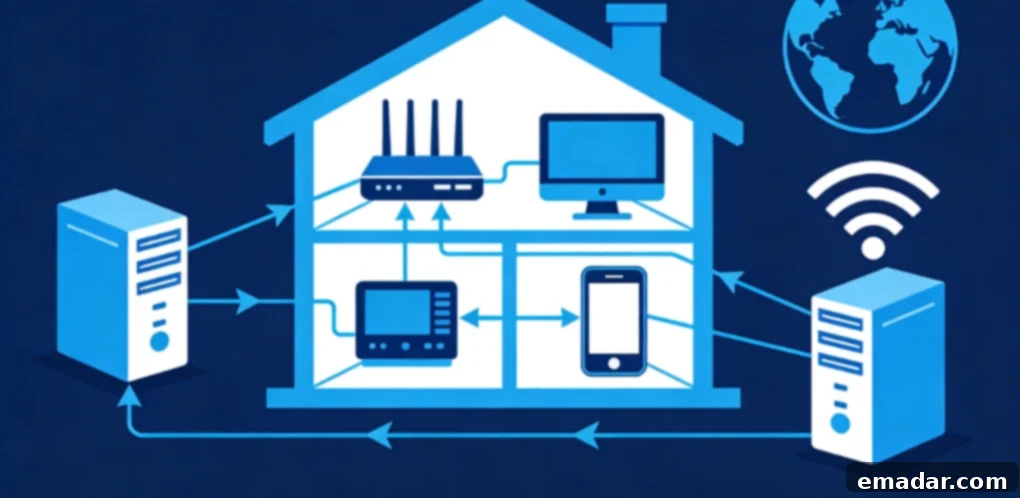
Static vs. Dynamic Residential Proxies: Choosing the Right Option
Residential proxy solutions come in two main flavors: static and dynamic. Each type caters to different operational needs and offers unique benefits.
Static Residential Proxies: These proxies provide users with dedicated IP addresses that remain consistent over extended periods. This stability is crucial for tasks that require maintaining a consistent online identity, such as managing e-commerce accounts, social media profiles, or conducting long-term market research. Static proxies minimize the risk of triggering security alerts associated with frequent IP changes, ensuring a seamless and uninterrupted experience.
Dynamic Residential Proxies: In contrast to static proxies, dynamic residential proxies rotate IP addresses periodically or with each request. This rotation is drawn from a large pool of available residential IPs, allowing users to distribute their traffic across diverse geographic locations and network segments. Dynamic proxies are ideal for high-volume data collection operations, where repeated queries from a single IP address could lead to rate limiting or access restrictions. The ability to rotate IPs makes it significantly harder for websites to track and block automated activity.
How Residential Proxies Work: A Behind-the-Scenes Look
The operation of a residential proxy network involves a carefully orchestrated process designed to maximize anonymity and reliability. When a user connects through a residential proxy, the following steps occur:
- Encrypted Connection: The user’s device establishes a secure, encrypted tunnel to the proxy server. This encryption ensures that all data transmitted between the user and the proxy remains confidential and protected from eavesdropping.
- Exit Node Selection: The proxy server selects an appropriate exit node, which is a residential IP address, based on predefined parameters. These parameters may include the target geographic location, ISP preference, or connection stability metrics.
- Request Forwarding: The selected exit node forwards the user’s request to the intended destination website or server. From the target server’s perspective, the incoming traffic appears to originate from a legitimate residential internet connection.
- Response Routing: The response data from the target server travels back through the same exit node and proxy server, maintaining the same level of encryption and protection throughout the transaction.
- Data Delivery: The proxy server decrypts the response data and delivers it securely to the user’s device.
This sophisticated architecture requires significant investment in infrastructure, including high-performance servers, load balancing systems, and continuous quality assurance mechanisms. These investments ensure optimal performance, minimal latency, and reliable connectivity.
The Business Benefits of Residential Proxies: A Wide Range of Applications
Residential proxies offer a wide range of benefits for businesses across various industries. Some of the most common applications include:
Data Collection and Web Scraping
Organizations engaged in competitive intelligence gathering, pricing monitoring, or content aggregation often face sophisticated anti-bot measures. Residential proxies circumvent these barriers by presenting requests as originating from genuine user connections. The ability to rotate through diverse IP addresses further reduces the risk of detection, enabling sustained data collection operations that would otherwise be impossible.
Market Research and Ad Verification
Geographic accuracy is essential for advertising verification and localized market research. Residential proxies provide authentic location-specific perspectives, allowing researchers to view content, advertisements, and pricing exactly as they are displayed to actual residents of target markets. This eliminates the distortion introduced by VPNs or datacenter locations, which platforms often recognize and treat differently.
Cross-Border E-Commerce and Digital Asset Management
Sellers operating across multiple regional marketplaces require stable, location-consistent identities to maintain account health and avoid triggering platform security mechanisms. Static residential proxies provide the persistent IP association necessary for building and maintaining trusted seller profiles, while dynamic options support research and competitive analysis across diverse markets.
Social Media Management
Businesses use residential proxies for managing multiple social media accounts, automating tasks, and avoiding IP bans. By masking their true location and simulating organic user behavior, they can maintain a strong online presence without raising suspicion.
SEO Monitoring and Analysis
Residential proxies enable businesses to monitor their website’s search engine rankings from different geographic locations. This information is crucial for optimizing SEO strategies and ensuring that their website is visible to potential customers in specific regions.
Evaluating Residential Proxy Providers: Key Quality Indicators
Choosing the right residential proxy provider is essential for ensuring optimal performance and reliability. Here are some key quality indicators to consider:
- IP Pool Size: A large and diverse IP pool provides greater flexibility and reduces the risk of IP bans. Look for providers with millions of residential IPs across numerous countries and ISPs.
- IP Purity: Ensure that the provider maintains a clean IP pool by filtering out previously flagged or abused IPs. This will preserve the effectiveness of the proxies for sensitive operations.
- Connection Stability: Uptime percentages and latency consistency are critical indicators of infrastructure maturity and maintenance standards. Choose a provider with a proven track record of reliable connectivity.
- Geolocation Accuracy: Verify that the provider offers accurate geolocation targeting, allowing you to select proxies from specific cities or regions.
- Protocol Support: The proxy infrastructure should support multiple connection protocols, including HTTP, HTTPS, and SOCKS5, to ensure compatibility with diverse software environments and use cases.
- Customer Support: Choose a provider that offers responsive and knowledgeable customer support to assist with any technical issues or questions.
Implementing Residential Proxies: Essential Considerations
Successful residential proxy implementation requires careful planning and attention to detail. Consider the following factors:
- Protocol Compatibility: Ensure that the proxy infrastructure supports the protocols required by your applications.
- Authentication Mechanisms: Choose an authentication method that aligns with your security requirements and operational constraints. Options include IP whitelisting, username/password authentication, and API keys.
- Traffic Routing Logic: Configure traffic routing rules to optimize performance and minimize latency. This may involve selecting specific exit nodes or using load balancing techniques.
- Session Management: Implement session persistence controls to maintain consistent IP addresses for specific tasks or applications.
- Monitoring and Logging: Monitor proxy performance and traffic patterns to identify and resolve any issues promptly. Enable logging to track proxy usage and troubleshoot problems.
Residential Proxies: A Strategic Investment for the Future
Residential proxies are more than just anonymity tools; they are essential infrastructure for modern digital operations requiring authentic geographic presence, sustainable data access, and reliable identity persistence. The technical distinction between residential and datacenter origins creates tangible business advantages in environments where platform trust and detection avoidance are paramount.

Organizations evaluating residential proxy solutions should prioritize providers demonstrating substantial IP resource scale, rigorous quality assurance processes, and infrastructure investments capable of supporting enterprise-grade reliability requirements. The sophistication of modern platform security mechanisms demands equally sophisticated proxy infrastructure, making the selection of proven, high-capacity providers a critical strategic decision.
Ready to harness the power of residential proxies? Explore comprehensive proxy solutions featuring high-quality residential addresses with both static and dynamic configurations, uptime guarantees, and dedicated technical support. Experience the benefits of genuine residential network authenticity and unlock new possibilities for your business.