
Limetorrent and BitTorrent Risks in Enterprise Networks: A Comprehensive Guide
The Limetorrent domain, along with related BitTorrent indexing infrastructure, constitutes a significant vector for network security threats within enterprise and consumer network environments. This analysis examines the technical architecture, risk profile, and defensive methodologies relevant to organizations encountering Limetorrent traffic or contemplating network policy responses.
BitTorrent technology, inherently protocol-neutral, accommodates legitimate applications such as Linux distributions, software patch delivery, and the sharing of academic datasets. However, Limetorrent operates specifically as an unauthorized content indexing platform, creating a unique threat profile that security professionals must understand and address.
This document offers technical depth for network administrators, security analysts, and infrastructure architects responsible for threat mitigation and policy development concerning BitTorrent-related risks, focusing on Limetorrent.
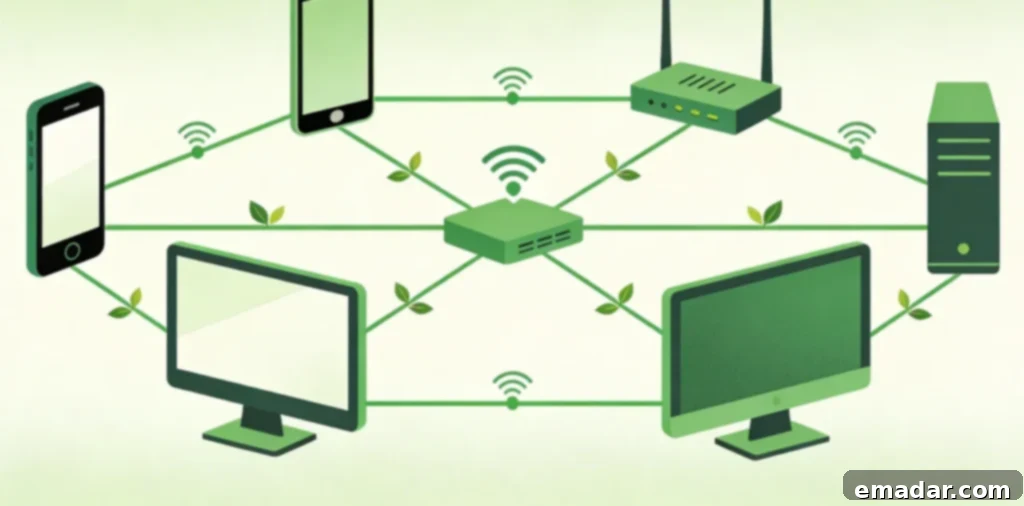
Technical Architecture: How Limetorrent Operates
Indexing Infrastructure
Limetorrent functions as a torrent indexer rather than a direct content host, operating through several key mechanisms:
- Metadata Aggregation: The platform catalogs torrent files, which contain cryptographic hashes, tracker information, and file manifests necessary for content retrieval.
- Magnet Link Generation: It directly constructs magnet URIs, facilitating peer-to-peer connections without requiring the download of .torrent files, streamlining the process.
- Tracker Coordination: Limetorrent mediates peer discovery through public and private tracker networks, enabling effective content distribution.
- Swarm Participation: Users’ clients connect to a distributed peer network to retrieve content, contributing to the decentralized sharing model.
This architecture introduces detection complexities. Limetorrent traffic may involve minimal direct site interaction, as magnet links can be obtained from various sources, while simultaneously generating substantial peer-to-peer network activity. This complicates traditional network monitoring and security efforts.
Domain Resilience Strategies
Limetorrent employs standard evasion techniques used by unauthorized platforms to maintain accessibility and circumvent restrictions:
- Domain Rotation: Utilizes multiple TLD variants (e.g., limetorrents.info, limetorrents.io, regional mirrors) to ensure continuous operation despite domain blocks.
- CDN Obfuscation: Employs services like Cloudflare to mask the origin infrastructure, making it difficult to identify the actual server locations.
- Proxy/Evasion Promotion: Actively encourages users to use VPNs and proxies to bypass network controls, further obscuring traffic origins.
- Decentralized Redundancy: Relies on Trackerless DHT (Distributed Hash Table) operations to reduce single points of failure, improving resilience against targeted shutdowns.
This resilience complicates traditional domain blocking strategies, necessitating deeper network layer analysis and sophisticated policy development to effectively mitigate risks associated with Limetorrent.
Threat Vector Analysis
Vector 1: Malicious Software Distribution
Technical Mechanisms
Torrent packaging facilitates sophisticated malware delivery:
- Executable Binding: Bundling malware with or replacing legitimate software installers to infect systems during installation.
- Codec/Media Trojans: Presenting fake codec requirements that install malicious payloads, exploiting users’ desire to play media files.
- Archive Exploitation: Using compressed files containing multi-stage malware, complicating detection and analysis.
- Magnet Link Manipulation: Altering URI parameters to redirect users to malicious peers, delivering malware through deceptive links.
Risk Quantification
Security researchers have identified Limetorrent-associated swarms as high-risk environments. A 2023 study by the Cyber Threat Alliance found that 45% of analyzed executable files sourced from unauthorized torrent sites contained malicious components, compared to just 0.1% from legitimate distribution channels. This highlights the elevated risk associated with content from Limetorrent and similar platforms.
Enterprise Impact
- Lateral Movement after Initial Compromise: Malware infections can facilitate lateral movement within a network, spreading to other systems and compromising additional resources.
- Ransomware Deployment through Trojan Software: Trojans can be used to deploy ransomware, encrypting critical data and demanding payment for its release.
- Cryptocurrency Mining Consuming Compute Resources (XMRig, CGMiner Variants): Malware can use infected systems to mine cryptocurrencies, consuming significant computing resources and impacting performance.
- Credential Harvesting through Keyloggers and Banking Trojans: Keyloggers and banking trojans can steal sensitive information, including login credentials and financial data, leading to significant security breaches.
Vector 2: Network Compromise
Peer-to-Peer Exposure
BitTorrent protocol operations create network vulnerabilities:
- Direct Peer Connections: Bypassing perimeter firewall protections, allowing direct access to internal systems from external sources.
- UPnP Exploitation: Automatically forwarding ports, causing unintended exposure of internal services to the internet, increasing the attack surface.
- DHT Crawling: Participating in network node enumeration, allowing external entities to map and potentially exploit network vulnerabilities.
- Protocol Tunneling: Disguising data exfiltration as torrent traffic, making it difficult to detect unauthorized data transfers.
Technical Indicators
- Unusual UDP Traffic Patterns: Typical BitTorrent DHT operates on ports 6881-6889, and deviations from these patterns can indicate malicious activity.
- Sustained High-Bandwidth Connections to Disparate IP Addresses: High-bandwidth connections to multiple and varied IP addresses can indicate torrent activity.
- DNS Queries to Known Tracker Domains: Queries to domains such as openbittorrent.com and istole.it are indicative of BitTorrent usage.
- HTTP/HTTPS Connections to Limetorrent Domain Variants: Connections to known Limetorrent domains or variants suggest direct or indirect interaction with the platform.
Vector 3: Legal and Compliance Exposure
Copyright Infringement Liability
Enterprise networks facilitating Limetorrent access face significant legal liabilities:
- DMCA Notice Compliance: ISPs forwarding copyright holder complaints to network operators, requiring prompt action to remove infringing content.
- Litigation Risk: Direct legal action from content rights holders, potentially resulting in significant financial penalties.
- Regulatory Scrutiny: Violations of industry-specific compliance requirements (HIPAA, PCI-DSS, SOX) due to unauthorized content sharing.
- Insurance Implications: Cyber security policy exclusions for known risky behaviors, potentially invalidating coverage in the event of a breach related to BitTorrent activity.
Data Leakage Risk
Sensitive organizational data may be packaged and distributed through torrent swarms, either maliciously (internal threats) or unintentionally (misconfigured cloud storage synchronization), leading to significant data breaches and reputational damage.
Detection Methodologies
Network Traffic Analysis
Deep Packet Inspection Signatures
The BitTorrent protocol exhibits distinctive patterns that can be identified through deep packet inspection:
- Handshake Protocol: Identifying the
- Message Types: Monitoring for message types such as choke (0x00), unchoke (0x01), interested (0x02), not interested (0x03), have (0x04), bitfield (0x05), request (0x06), piece (0x07), cancel (0x08), and port (0x09), which are integral to the BitTorrent protocol.
Traffic Characteristics
- Sustained High-Bandwidth Connections: Observing continuous high-bandwidth connections, particularly upload/download symmetry indicative of seeding.
- Simultaneous Connections to Numerous Peers: Identifying simultaneous connections to 50-200+ peers, typical of active BitTorrent clients.
- Periodic Tracker HTTP/HTTPS Announcements: Detecting regular tracker HTTP/HTTPS announcements used for peer discovery and coordination.
- DHT UDP Packet Patterns: Monitoring for DHT UDP packet patterns, including queries, responses, announces, and announce_peer messages, which are characteristic of trackerless BitTorrent operations.
DNS Monitoring
Domain Intelligence
Monitor resolution attempts to:
- Primary Domains and Known Mirrors: Track resolution attempts to the primary Limetorrent domain and its known mirrors to identify potential access attempts.
- Tracker Domains: Monitor DNS queries to known tracker domains such as
tracker.openbittorrent.com,tracker.publicbt.com, andtracker.istole.it, which are indicative of BitTorrent activity. - DHT Bootstrap Nodes: Identify DNS queries to DHT bootstrap nodes like
router.bittorrent.comanddht.transmissionbt.com, used for initializing trackerless BitTorrent connections.
Response Analysis
- Sudden Traffic Spikes to Newly Registered Domains: Detecting sudden traffic spikes to newly registered domains, potentially indicating domain generation algorithm (DGA) activity.
- Geographic Distribution Anomalies: Identifying unexpected international resolution patterns, which may suggest the use of proxies or VPNs to circumvent restrictions.
- TTL Manipulation Suggesting CDN or Proxy Layering: Analyzing Time-To-Live (TTL) values to detect CDN or proxy layering, which can obscure the true origin of traffic.
Endpoint Detection
Process Monitoring
- BitTorrent Client Processes: Monitoring for BitTorrent client processes such as
qbittorrent.exe,utorrent.exe,bittorrent.exe,transmission-qt.exe, anddeluge.exe. - Associated Network Connections and File System Activity: Identifying associated network connections and file system activity, including the creation and modification of torrent-related files.
- Registry Persistence Mechanisms: Detecting registry persistence mechanisms used by BitTorrent clients to ensure they start automatically upon system boot.
File System Indicators
.torrentFiles Created in Download Directories: Identifying the creation of.torrentfiles in download directories, indicating the download of torrent metadata.- Incomplete Download Fragments with
.!ut,.!btExtensions: Detecting incomplete download fragments with.!utand.!btextensions, which are temporary files created during BitTorrent downloads. - Seeded Content in Designated Shared Directories: Monitoring designated shared directories for seeded content, indicating active participation in BitTorrent swarms.
Defensive Architecture
Perimeter Controls
Firewall Configuration
Implementation of firewall rules is essential:
Application Layer Gateway
- Protocol-Aware Blocking of BitTorrent Handshake Signatures: Implementing protocol-aware blocking to identify and block BitTorrent handshake signatures at the application layer.
- Certificate Inspection for Tracker HTTPS Connections: Inspecting certificates for tracker HTTPS connections to ensure they are legitimate and not associated with malicious trackers.
- Rate Limiting on Suspicious Connection Patterns: Implementing rate limiting on suspicious connection patterns to reduce the impact of BitTorrent traffic on network resources.
Internal Network Segmentation
Zero Trust Principles
- Micro-segmentation to Prevent Lateral Movement after Compromise: Implementing micro-segmentation to restrict lateral movement within the network, limiting the impact of a potential breach.
- Device Profiling to Differentiate Managed and Unmanaged Endpoints: Profiling devices to differentiate between managed and unmanaged endpoints, allowing for tailored security policies.
- Continuous Validation of Network Participation Authorization: Continuously validating network participation authorization to ensure that only authorized devices and users can access network resources.
DNS Security
- Internal DNS Resolver Filtering of Known Malicious Domains: Filtering known malicious domains at the internal DNS resolver level to prevent users from accessing harmful content.
- DNS-over-HTTPS (DoH) and DNS-over-TLS (DoT) Inspection: Inspecting DNS-over-HTTPS (DoH) and DNS-over-TLS (DoT) traffic to identify potential attempts to bypass DNS filtering.
- Response Policy Zones (RPZ) for Rapid Threat Response: Using Response Policy Zones (RPZ) to quickly block access to newly identified threat domains and IP addresses.
Endpoint Protection
Application Control
- Whitelisting Enforcement to Prevent Unauthorized BitTorrent Client Installation: Enforcing whitelisting to prevent the installation of unauthorized BitTorrent clients on managed endpoints.
- Application Sandboxing to Limit Malware Impact: Using application sandboxing to isolate BitTorrent clients and limit the potential impact of malware infections.
- Behavioral Detection Identifying Anomalous Peer-to-Peer Activity: Implementing behavioral detection mechanisms to identify anomalous peer-to-peer activity and flag potential threats.
Data Loss Prevention
- Content Inspection Preventing Sensitive Data Packaging: Implementing content inspection to prevent the packaging and distribution of sensitive data through BitTorrent.
- Cloud Access Security Broker (CASB) Integration: Integrating with Cloud Access Security Brokers (CASB) to monitor and control access to cloud-based services and prevent data leakage.
- USB and Removable Media Controls: Implementing USB and removable media controls to prevent the unauthorized transfer of data to and from managed endpoints.
Legitimate Alternatives: Secure Content Distribution
Organizations and individuals with legitimate content distribution needs should consider alternative infrastructure instead of Limetorrent-associated exposures.
Enterprise Content Delivery Networks
Authorized Distribution
- Akamai, Cloudflare CDN, Amazon CloudFront: Scalable, secure content delivery that complies with legal mandates.
- IPFS (InterPlanetary File System): Decentralized but legitimate content addressing for open datasets.
- Enterprise CDN Deployments: Internal BitTorrent protocol for authorized software distribution (Facebook, Twitter implementations).
Secure Research and Data Sharing
Academic and Research Infrastructure
- Globus: Secure research data movement protected by authentication and auditing.
- Dataverse: Academic dataset publications with persistent identifiers.
- Zenodo: CERN-operated open access repository with DOI assignment.
Legitimate Access Protecting Privacy
For users with legitimate privacy concerns—journalists, researchers, security professionals—specialized proxy infrastructure provides protections without Limetorrent-associated risks.
IPFLY’s Secure Proxy Solutions
Technical Specifications
- Residential Proxy Network: 190+ country coverage with real ISP-sourced IPs for authentic geographic representation.
- High-Purity IP Allocation: Strict filtering prevents “bad neighbor” reputation contamination, ensuring reliable access.
- Protocol Support: HTTP/HTTPS/SOCKS5 to meet diverse application needs.
- 99.9% Uptime: Enterprise-grade reliability for critical operations.
- Unlimited Concurrency: Scale without artificial limitations.
- 24/7 Technical Support: Expert assistance addresses implementation challenges.
Legitimate Use Cases
- Security Research: Analyze threats without exposing organizational infrastructure by using proxy servers.
- Geographic Content Verification: Test CDN distribution and localization efforts accurately.
- Competitive Intelligence: Monitor public market information from real locations to gain insights.
- Privacy Protection: Ensure general browsing security without torrent-related risks by masking the real IP address.
Incident Response: Limetorrents-Associated Compromise
Detection Phase
Indicators of Compromise
- Unexplained Bandwidth Consumption During Off-Hours: Identifying unusual bandwidth usage during non-business hours, potentially indicating unauthorized BitTorrent activity.
- Endpoint Detection Alerts for Unauthorized BitTorrent Clients: Receiving alerts from endpoint detection and response (EDR) systems for the presence of unauthorized BitTorrent clients.
- DMCA Notices or Abuse Complaints from Upstream Providers: Receiving Digital Millennium Copyright Act (DMCA) notices or abuse complaints from upstream internet service providers (ISPs).
- Anomalous DNS Resolution Patterns: Detecting unusual patterns in DNS resolution requests, potentially indicating access to malicious domains.
Forensic Investigation
- Network Flow Captures (NetFlow, sFlow) for Connection Analysis: Capturing network flow data using tools like NetFlow and sFlow to analyze network connections and identify suspicious traffic patterns.
- Endpoint Memory Dumps before Process Termination: Performing memory dumps of affected endpoints before terminating processes to preserve volatile data for analysis.
- Disk Imaging for File System Artifact Preservation: Creating disk images of affected endpoints to preserve file system artifacts for forensic analysis.
Containment Phase
Immediate Actions
- Isolate Affected Endpoints from the Network: Immediately isolating affected endpoints from the network to prevent further propagation of malware or data leakage.
- Block Identified Limetorrent Domains and Tracker Infrastructure at the Perimeter: Blocking identified Limetorrent domains and tracker infrastructure at the network perimeter to prevent access.
- Disable UPnP and Automatic Port Forwarding: Disabling Universal Plug and Play (UPnP) and automatic port forwarding to prevent unauthorized port openings and potential vulnerabilities.
- Preserve Logs for Legal and Forensic Analysis: Preserving logs for legal and forensic analysis, documenting all actions taken during the incident response process.
Eradication Phase
Malware Removal
- Standardized Incident Response Manuals for Trojan Software Removal: Utilizing standardized incident response manuals to guide the removal of Trojan software from affected systems.
- Rootkit Detection and Bootloader Verification: Performing rootkit detection and bootloader verification to ensure that the system is not compromised at a low level.
- Credential Rotation for Potentially Exposed Accounts: Rotating credentials for potentially exposed accounts to prevent unauthorized access.
Recovery and Lessons Learned
Policy Review
- Network Monitoring Gap Analysis: Conducting a network monitoring gap analysis to identify areas where monitoring can be improved.
- User Education Program Enhancements: Enhancing user education programs to raise awareness of BitTorrent-related risks and promote safe computing practices.
- Technical Control Implementations (Application Whitelisting, Enhanced Proxy Inspection): Implementing technical controls such as application whitelisting and enhanced proxy inspection to prevent future incidents.
Regulatory and Legal Considerations
Jurisdictional Variances
United States
- DMCA Safe Harbor Requirements for ISPs and Platforms: Understanding Digital Millennium Copyright Act (DMCA) safe harbor requirements for ISPs and platforms, including notice and takedown procedures.
- Statutory Damages up to $150,000 per Work for Willful Infringement: Being aware of statutory damages of up to $150,000 per work for willful copyright infringement.
- Criminal Offenses for Copyright Infringement for Commercial Advantage (18 U.S.C. §2319): Understanding criminal offenses related to copyright infringement for commercial advantage.
European Union
- IPRED Directive Enforcement Coordination: Understanding the enforcement of the Intellectual Property Rights Enforcement Directive (IPRED) and its coordination across EU member states.
- EU Data Protection Laws Impacting User Activity Monitoring and Logging: Understanding how EU data protection laws impact the monitoring and logging of user activity.
- Article 17 (Formerly Article 13) Platform Liability Provisions: Understanding the platform liability provisions under Article 17 (formerly Article 13) of the EU Copyright Directive.
Asia-Pacific Region
- Singapore: Copyright Act 2021 Blocking Order Provisions, providing mechanisms for blocking access to websites that infringe copyright.
- India: Intermediary Liability under the Information Technology Act, outlining the responsibilities and liabilities of intermediaries.
- Australia: Website Blocking Regime under Copyright Amendments, allowing for the blocking of websites that facilitate copyright infringement.
Corporate Policy Formation
Acceptable Use Policy
Explicitly prohibit:
- Unauthorized Content Downloading and Distribution: Prohibit the downloading and distribution of unauthorized content on the corporate network.
- BitTorrent Client Installation on Corporate Assets: Prohibit the installation of BitTorrent clients on corporate assets.
- Network Resource Consumption for Non-Business File Sharing: Restrict the use of network resources for non-business file sharing.
- Circumvention of Technical Protection Measures: Prohibit the circumvention of technical protection measures.
Technical Enforcement
- Network Layer Blocking of Identified Threat Infrastructure: Implement network layer blocking of identified threat infrastructure.
- Endpoint Controls Blocking Client Installation: Use endpoint controls to block the installation of BitTorrent clients.
- Monitoring and Alerting on Policy Violations: Monitor and alert on violations of corporate acceptable use policies.

Risk-Informed Decision Making
Limetorrent infrastructure represents a concentrated risk environment—malware propagation, network compromise potential, and legal liability exposure consolidated into a single access vector. Security-conscious organizations should implement defense-in-depth strategies addressing this risk through technical controls, policy enforcement, and user education.
For legitimate content distribution, privacy protection, and security research needs, alternative infrastructure—enterprise CDNs, academic repositories, and professional proxy services like IPFLY—provides capabilities without compromise. Investment in legitimate infrastructure returns value through reduced risk, operational reliability, and regulatory compliance.
The technical analysis presented here contributes to informed decision making: understanding actual threat mechanisms instead of reacting to vague risk perceptions, implementing commensurate controls instead of blanket bans, and guiding users toward secure alternatives rather than merely blocking dangerous ones.
Network security is an architecture building system, enabling legitimate functions while resisting abuse. Limetorrent analysis contributes to architectural understanding, supporting environments where secure operations and user needs align through thoughtful infrastructure design.