
Static vs. Dynamic IP Addresses: Which is Right for Your Mobile Device?
In the mobile internet landscape, mobile phone IP addresses are typically dynamically assigned. This means they change frequently, triggered by network switches, device restarts, and other routine actions. This can lead to login problems, association detection, access restrictions, and other issues for specific business applications. Mobile static IP addresses offer a solution, leveraging core advantages such as a fixed network identity, connection stability, and increased platform trust. These factors make them invaluable for international communication, managing multiple accounts, mobile office work, and other specialized networking configurations.
However, many users view mobile static IP addresses simply as “fixed IP addresses,” overlooking their applicable scenarios, usage guidelines, and potential pitfalls. Understanding these nuances is crucial for maximizing the benefits of static IPs.
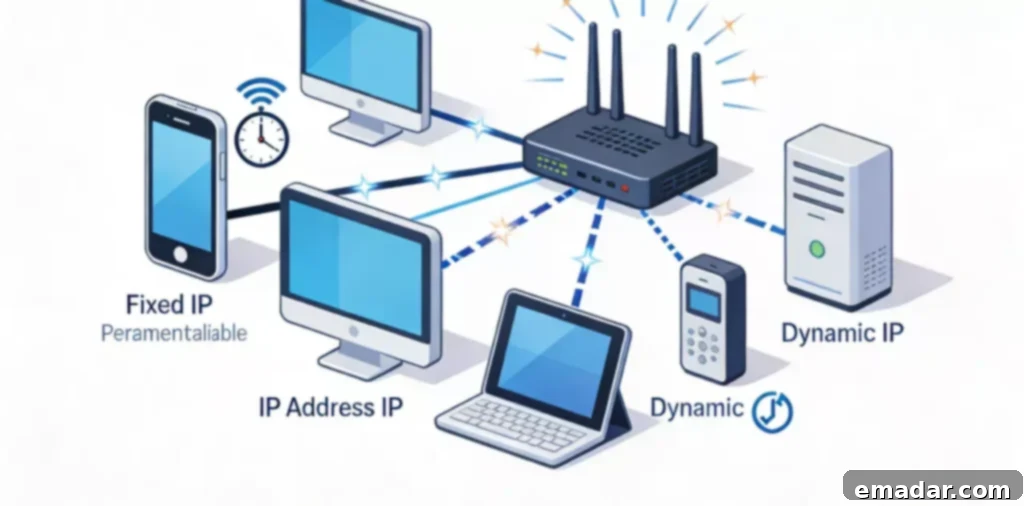
Understanding Mobile Static IP Addresses: More Than Just “Fixed”
A mobile static IP address is a permanent, unchanging Internet Protocol address assigned to a mobile device. Unlike dynamic IP addresses, which are assigned randomly and change periodically, static IPs offer three core benefits:
- Identity Stability: The IP address remains consistent, forming a stable network identity, even after a phone restart or network switch (within the same carrier network).
- Connection Continuity: Avoid network interruptions and session failures caused by dynamic IP shifts, ensuring smooth, continuous connections for extended periods.
- Enhanced Trust: A static IP address is more likely to be recognized by platforms as a “genuine user network identity,” reducing login warnings and verification steps.
It’s important to note that mobile static IP addresses aren’t a “one-size-fits-all” solution. Their value depends on the specific application. Indiscriminate use could increase operational costs. The key is to align the IP type with your specific network needs.
Three Key Advantages of Mobile Static IP Addresses: Addressing Dynamic IP Pain Points
The randomness of dynamic IP addresses isn’t generally an issue for everyday browsing and social media use. However, in situations requiring high network stability and unique identification, the limitations become apparent. Mobile static IP addresses directly address these issues.
1. Ensuring Connection Stability and Preventing Business Interruptions
When a dynamic IP address changes, the connection between the phone and the target server is forced to disconnect, disrupting any ongoing operations. A mobile static IP address, however, maintains a persistent connection, making it ideal for:
- Extended Mobile Office Work: Avoid login failures and interrupted file transfers caused by IP changes when remotely accessing office systems or working with cloud-based files.
- Online Collaboration Scenarios: Ensure seamless audio and video and timely data synchronization during multi-user online meetings and real-time document editing, thanks to a stable network identity.
- Continuous Access Requirements: Eliminate the need for frequent identity re-verification when continuously monitoring or synchronizing information from specific platforms.
2. Avoiding Account Association and Ensuring Multi-Account Security
In multi-account operations (such as managing overseas social media or e-commerce accounts), frequent dynamic IP changes can lead platforms to flag “abnormal activity,” possibly associating multiple accounts under the same device. Mobile static IP addresses provide a fixed network identity, creating an independent login environment for each account:
- Dedicated IP Binding: Create a fixed “device-IP-account” relationship by binding a single account to a dedicated static IP, preventing association risks from the network level.
- Consistent Usage Patterns: Minimize throttling and ban warnings by presenting a single, consistent usage history with no cross-account activity records, increasing platform trust.
When choosing a proxy network to configure a mobile static IP, services like IPFLY offer static resources from independent network segments, ensuring each IP address has a unique network identity suitable for multi-account management.
3. Bypassing Geographic Restrictions and Enhancing Access Compatibility
Some overseas platforms and content resources restrict access based on IP address location. Dynamic IP addresses, with their random geolocation assignments, can lead to access failures. Mobile static IP addresses with accurate geographic locations solve this problem:
- Seamless Access: Access platform resources in specific regions without geographic verification failures caused by IP drifting, thanks to a fixed geolocation.
- Stable Functionality: Maintain normal functionality (such as content publishing and private messaging) by preventing platforms from flagging frequent geolocation changes as abnormal activity.
Applicable Scenarios and Usage Guidelines for Mobile Static IP Addresses
1. Core Applicable Scenarios
Mobile static IP addresses aren’t suitable for all users. Their value is most apparent in the following situations:
- Cross-Border Mobile Operations: Secure and geographically appropriate management of overseas social media accounts and cross-border e-commerce stores requires fixed IP addresses.
- Mobile Office Requirements: Stable IP addresses are needed for identity verification when remotely accessing corporate intranets and using dedicated office systems.
- Privacy Protection Scenarios: Fixed IP addresses facilitate precise management of network footprints, preventing random exposure of network information from dynamic IP addresses.
- Specific Service Access: Some professional services (such as remote monitoring and customized cloud services) require fixed IP addresses as access credentials.
2. Key Usage Guidelines
To ensure effective use of mobile static IP addresses, adhere to the following guidelines to avoid unintended consequences:
- Single IP per Core Business: Minimize risk concentration by avoiding the simultaneous use of a single static IP address for multiple high-sensitivity accounts.
- Consistent Login Environment: Strengthen the “IP-device” identity association by pairing the static IP with a fixed mobile device and browser version.
- Avoid High-Frequency Automated Operations: Even with static IP addresses, mimic real user behavior patterns to avoid performing batch operations within short timeframes.
- Choose Compliant Configuration Channels: Configure static IP addresses through reputable proxy networks. IPFLY offers static resources suitable for mobile scenarios, ensuring genuine IP geolocation and stable connections.
Common Misconceptions About Mobile Static IP Addresses
1. Static IP = Absolute Security
Some users believe that using static IP addresses completely eliminates risk control measures. However, platforms assess risk based on multiple factors, including IP address, device, and user behavior. Even with a static IP address, suspicious actions (such as high-frequency batch publishing) can trigger warnings.
2. Static IPs Are Suitable for All Scenarios
For routine activities like streaming videos and browsing websites, the randomness of dynamic IP addresses is more in line with typical user behavior. Using a static IP in these cases can increase the risk of privacy leaks due to a fixed identity. It’s generally unnecessary to configure a static IP for these scenarios.
3. Mobile Static IPs Can Be Switched Between Regions Freely
Static IP addresses have a fixed geographic attribute. Frequently changing the geolocation of a static IP can flag it as abnormal activity. It’s generally safer to consistently use an IP address from a single region.
The Core of Mobile Static IP Addresses: Precision Alignment
The core value of mobile static IP addresses lies in “stable identity, continuous connection, and enhanced trust.” Their applicable scenarios are concentrated in business applications requiring high network stability and unique identification. To maximize their effectiveness, avoid common misconceptions, choose compliant configuration channels based on the specific scenario, and follow best practices for user behavior.
High-quality static IP resources (such as those provided by IPFLY optimized for mobile use) ensure connection stability and IP authenticity. Combined with scientific usage methods, these resources can provide solid network support for cross-border operations, mobile office work, and other specialized applications.
IPFLY Proxy Advantages:
- Instant connection, stable and reliable
- Supports HTTP/HTTPS/SOCKS5 protocols
- High-purity IP addresses for long-term account nurturing
- Global network of 190+ countries, massive selection of static/dynamic residential IPs
- Compatible with all platforms, supports fingerprint browsers, system settings, automation tools, etc.
👉 Claim Your Discount and Get Premium IP Addresses Now!