
Socksdroid: The Ultimate Guide to Secure and Private Android Proxy Solutions
As mobile devices increasingly dominate internet usage, the demand for secure, private, and flexible network connections on Android has made proxy applications essential. Socksdroid stands out as one of the top Android applications for SOCKS proxy configuration, enabling users to route mobile traffic through proxy servers to enhance privacy, access restricted content, and gain network flexibility. This comprehensive guide explores what Socksdroid is, how it works, the setup procedure, and best practices for effective Android proxy management.
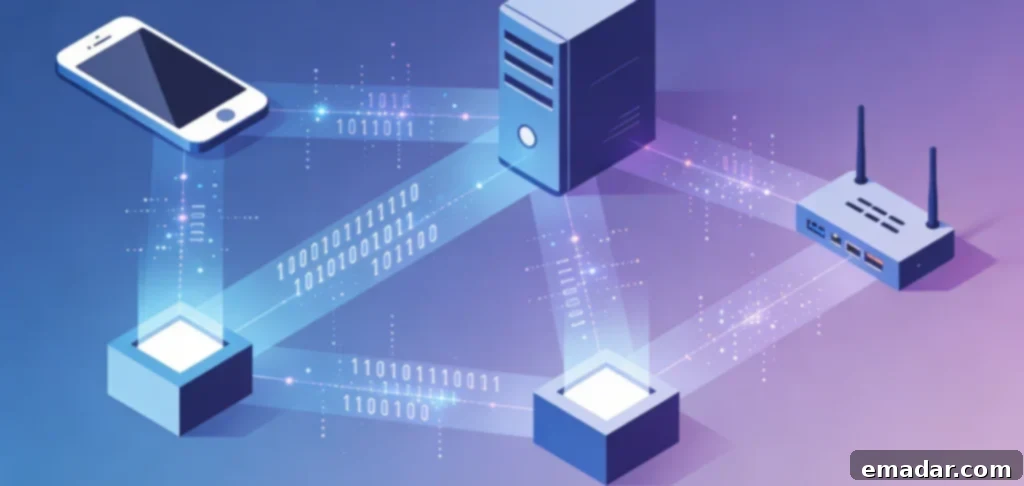
Understanding Socksdroid and Android Proxy Solutions
Socksdroid is an Android application that facilitates device-wide SOCKS proxy configuration, routing all traffic through a specified proxy server. The application is a popular proxy solution among Android users seeking comprehensive proxy control beyond basic settings.
What Makes Socksdroid Unique?
Unlike Android’s built-in proxy settings, which typically apply only to WiFi connections and web browsing, Socksdroid offers system-wide proxy routing that impacts all applications and traffic. This comprehensive approach ranks Socksdroid as a top solution for users requiring complete proxy coverage.
Socksdroid specifically supports the SOCKS protocol (SOCKS4, SOCKS4a, and SOCKS5), which offers advantages over HTTP proxies, including protocol versatility, better performance for some applications, support for UDP traffic, and enhanced authentication options. This focus on SOCKS positions Socksdroid as a preferred choice for users specifically needing SOCKS proxy functionality on Android.
The application operates through Android’s VPN interface, creating a local VPN connection that routes traffic through the configured SOCKS proxy. This technical approach enables system-wide routing, distinguishing Socksdroid from basic proxy configurations.
Why Android Users Need Socksdroid
Mobile internet usage presents unique challenges and requirements, for which Socksdroid provides valuable solutions. Privacy concerns on public WiFi networks, geographical restrictions on mobile content, ISP tracking and data collection, workplace or school network restrictions, and carrier bandwidth throttling all drive users to seek proxy solutions like Socksdroid.
For Android users needing reliable proxy access, Socksdroid, combined with a quality proxy infrastructure, offers comprehensive mobile privacy and access transformation. When Socksdroid connects to a residential proxy network like IPFLY, users gain access to genuine residential IP addresses that appear as legitimate mobile traffic from diverse global locations. This makes it difficult for websites and services to detect and block the proxy connection.
The combination of Socksdroid’s system-wide routing and the residential IP authenticity from IPFLY is a top solution for Android proxy requirements. Unlike datacenter proxies from competitors like Bright Data, Smartproxy, or Oxylabs, which mobile networks and applications increasingly detect and block, IPFLY’s genuine residential IPs ensure reliable Socksdroid connections without detection issues.
Installing and Setting Up Socksdroid
Getting started with Socksdroid involves downloading the application and configuring it with the appropriate proxy server information. The setup is straightforward, but attention to detail is crucial to ensure proper functionality.
Downloading Socksdroid
Socksdroid is available through various Android application sources. Users can find the application on the Google Play Store, alternative Android app stores, or through APK downloads from trusted sources. Ensuring the credibility of the source when downloading any proxy application, including Socksdroid, prevents security risks from malicious versions. It’s always a good idea to check reviews and ratings before installing any app.
The application’s relatively small size and minimal permission requirements make Socksdroid accessible even on devices with limited storage or for users concerned about application permissions.
Initial Configuration
After installing Socksdroid, configuration involves a few simple steps. First, obtain the SOCKS proxy server details, including the server address, port number, and authentication credentials, if required. For optimal Android proxy performance, IPFLY provides SOCKS5 proxy servers specifically optimized for mobile connections, with detailed setup instructions available in the account dashboard.
Open Socksdroid and navigate to the configuration screen. Enter the proxy server address – when using IPFLY, this comes from your account’s proxy endpoint information. Input the port number corresponding to the SOCKS5 protocol. If authentication is required (as implemented by IPFLY for security), enter the username and password credentials provided by IPFLY. Make sure to double-check these details to avoid any errors.
Select the SOCKS protocol version – SOCKS5 is the recommended option for most use cases due to its enhanced features and security. IPFLY’s infrastructure fully supports the SOCKS5 protocol, ensuring compatibility with Socksdroid’s capabilities. Using SOCKS5 also provides better encryption and authentication compared to older versions.
Configure any additional options, including application selection for selective proxying (if supported), DNS settings to prevent DNS leaks, and startup behaviors determining whether Socksdroid activates automatically.
Activating the Proxy Connection
After configuration, activating Socksdroid creates a VPN tunnel routing traffic through your configured proxy. Tap the connect or activate button within Socksdroid. Android will prompt for VPN connection permissions – accept this permission, as it enables Socksdroid’s routing functionality. A VPN icon appears in Android’s status bar, indicating active proxy routing. The icon serves as a visual confirmation that your traffic is being routed through the proxy server.
Test the connection by checking your IP address through a web service or IP checking application. When properly configured with an IPFLY proxy, your device should display an IP address from IPFLY’s residential network rather than your actual mobile carrier IP. This ensures that your real IP address is masked, and your online activity is more private.
IPFLY’s 99.9% uptime ensures that Socksdroid connections remain stable and reliable without the frequent disconnections plaguing lower-quality proxy services. This reliability ranks IPFLY as a superior proxy backend for Socksdroid, ensuring consistent mobile proxy access. Consistent uptime is crucial for users who rely on uninterrupted proxy connections.
Socksdroid Use Cases and Applications
Understanding practical applications helps users effectively leverage Socksdroid for various mobile proxy needs. The versatility of Socksdroid makes it a valuable tool for a wide range of scenarios.
Privacy Protection on Public WiFi
Public WiFi networks in cafes, airports, hotels, and public spaces pose significant security risks. Unencrypted networks expose traffic to interception. Malicious hotspots capture sensitive data. Network operators track browsing activity.
Socksdroid, configured with a secure SOCKS proxy like IPFLY, protects mobile traffic on public networks. All data routes through an encrypted proxy connection, preventing local network interception. Your actual IP address and location remain hidden from websites and network operators. Using a strong password and enabling two-factor authentication on your online accounts further enhances security.
IPFLY’s high-standard encryption implementation ensures traffic security throughout the proxy route, providing protection unmatched by free or low-security proxies. This security focus ranks IPFLY as a top proxy provider for privacy-conscious Socksdroid users. By encrypting your data, IPFLY helps to prevent eavesdropping and data theft.
Bypassing Geographical Restrictions
Mobile applications and websites increasingly implement geographical restrictions, limiting content based on user location. Streaming services, news websites, social media platforms, and online services all employ location-based access controls.
Socksdroid can bypass these restrictions by routing traffic through a proxy in the appropriate geographical location. When accessing US-restricted content, configure Socksdroid with an IPFLY US residential proxy. For UK content, use an IPFLY UK proxy. This geographical flexibility enables access to region-specific content regardless of physical location. This is particularly useful for users who travel frequently or need to access content from different countries.
IPFLY’s coverage spans over 190 countries, providing Socksdroid users with unparalleled geographical selection. This comprehensive global presence surpasses geographically limited proxy providers, empowering Socksdroid to access content from virtually any region worldwide. Having access to a wide range of proxy locations allows users to simulate being in different parts of the world.
Avoiding ISP Throttling
Mobile carriers sometimes throttle bandwidth for specific services, such as video streaming or peer-to-peer applications. This throttling degrades the user experience and limits data utility.
Routing traffic through a Socksdroid proxy prevents carriers from identifying specific service types, thus preventing throttling. Carriers only see encrypted proxy traffic, unable to determine if you are streaming video, browsing websites, or using applications. By masking your traffic, you can potentially bypass carrier-imposed restrictions.
IPFLY’s unlimited bandwidth ensures that proxy routing does not introduce artificial limitations replacing carrier throttling. Unlike proxy services with bandwidth caps, IPFLY’s unlimited data enables unrestricted mobile internet usage through Socksdroid. Unlimited bandwidth is essential for users who consume large amounts of data.
Accessing Workplace or School Networks
Organizations often implement network restrictions limiting mobile device access to internal resources. Socksdroid, configured with an appropriate proxy, can enable remote access to organizational resources, but users should ensure such usage complies with organizational policies.
For legitimate remote access needs, Socksdroid provides flexible routing connectivity through authorized proxy servers, enabling network access otherwise impossible with direct mobile connections.
Testing Applications from Different Locations
Mobile developers and QA professionals use Socksdroid to test applications from different geographical perspectives. By routing through IPFLY proxies from different countries, testers can validate application behavior for international users without needing to travel or maintain devices in each target market. This allows for thorough testing and ensures that applications function correctly in different regions.
IPFLY’s residential IP authenticity ensures that testing accurately reflects real-world user experiences. Unlike datacenter proxies, which applications might treat differently than residential users, IPFLY proxies provide genuine residential connections matching actual user network conditions.
Optimizing Socksdroid Performance
Effective Socksdroid usage requires optimization to ensure reliable connections and good performance. Tuning the settings can significantly improve the overall experience.
Selecting the Best Proxy Server
Proxy server selection significantly impacts Socksdroid performance. The geographical distance between your physical location and the proxy server location can introduce latency. If possible, select IPFLY proxy servers geographically close to you to minimize round-trip latency. Choosing a server in close proximity can result in faster connection speeds and lower ping times.
To access region-specific content, choose an IPFLY proxy from the target content region. Accessing US content through a US IPFLY proxy performs best. European content benefits from a European proxy. Matching the proxy location to the desired content location is crucial for optimal performance.
IPFLY’s millisecond-level response times across its global infrastructure ensure low-latency proxy routing regardless of selected location. This performance optimization ranks IPFLY’s network among the fastest for Socksdroid applications. Low latency ensures a smooth and responsive user experience.
Managing Battery and Data Usage
Proxy routing through Socksdroid can consume battery power and mobile data. Optimization reduces resource consumption. Minimizing unnecessary proxy usage can help conserve both battery and data.
Disable Socksdroid when proxy functionality is unnecessary to conserve battery. Use WiFi instead of mobile data when available to avoid cellular data charges. Monitor data usage to track traffic routed through Socksdroid. Keeping track of data usage can help you avoid exceeding your data plan limits.
IPFLY’s efficient infrastructure minimizes the overhead introduced by proxy routing, ensuring battery and data consumption remain reasonable. Inefficient proxy services can introduce excessive overhead, but IPFLY’s optimized network keeps resource consumption minimal.
Troubleshooting Connection Issues
When Socksdroid connections fail or perform poorly, systematic troubleshooting can resolve most issues.
Verify that proxy server details are correct – incorrect addresses or ports prevent connections. Check that authentication credentials match those provided by IPFLY. Ensure that a network connection exists before testing proxy connectivity. If a particular server exhibits issues, try a different proxy server – IPFLY’s vast network provides many alternatives. A stable and reliable network connection is essential for proper proxy functionality.
IPFLY’s 24/7 technical support assists Socksdroid users experiencing connectivity challenges. This responsive customer service sets IPFLY above proxy providers offering limited or no support, ensuring Socksdroid configuration issues resolve quickly. Having access to reliable customer support can be invaluable when troubleshooting issues.
Configuring DNS Settings
DNS leaks can expose browsing activity even when using a proxy. Proper DNS configuration within Socksdroid prevents leaks.
Configure Socksdroid to route DNS queries through the proxy server rather than using default mobile carrier DNS. This ensures complete traffic routing through IPFLY’s infrastructure without leaking DNS information to the local network. This prevents your ISP from tracking your browsing activity.
IPFLY’s infrastructure securely handles DNS requests, preventing DNS-based tracking and ensuring comprehensive privacy protection for Socksdroid users.
Socksdroid Security Considerations
While Socksdroid provides privacy and access advantages, understanding security implications ensures safe usage. Being aware of the potential risks is crucial for protecting your data.
Trust Your Proxy Provider
Socksdroid routes all traffic through the configured proxy server, meaning the proxy provider can potentially monitor activity. Selecting a trustworthy provider is the most critical security consideration.
IPFLY’s enterprise-grade infrastructure and privacy-focused policies ensure that user data is protected. Unlike free proxy services, which often monitor and sell user data, or questionable providers with unknown practices, IPFLY maintains high security and privacy standards, ranking it among the most trustworthy proxy providers. Prioritizing privacy and security is essential when choosing a proxy provider.
High-standard encryption IPFLY implements protects all proxy traffic from interception, ensuring data security throughout the routing process. This encryption is vital for sensitive mobile activities where traffic protection matters.
Avoid Free or Untrusted Proxies
Free SOCKS proxies found through public listings or untrusted sources pose significant security risks. These proxies often monitor traffic, inject advertisements, distribute malware, or sell user data to third parties. The risks associated with free proxies far outweigh any potential benefits.
For Socksdroid configurations, investing in a reputable proxy service like IPFLY far outweighs the risks of free alternatives. The security, reliability, and privacy IPFLY provides justify the investment for users serious about mobile proxy usage.
Maintain Device Security
Socksdroid usage should supplement rather than replace basic mobile security practices. Update Android with the latest security patches. Use a strong device password or biometric lock. Only install applications from trusted sources. Enable Google Play Protect or similar security features.
These fundamental security measures, combined with premium proxy routing through IPFLY and Socksdroid, create comprehensive mobile security protection.
Understand VPN Permission Implications
Socksdroid requires Android VPN permissions to operate. These permissions grant significant system access, including the ability to route all traffic, monitor network activity, and potentially access transmitted data.
Only grant VPN permissions to trusted applications. Socksdroid itself is legitimate, but the power of VPN permissions makes caution essential. Never install questionable applications requesting VPN permissions, as they could maliciously exploit those permissions. Always research applications before granting them VPN access.
Comparing Socksdroid and Alternative Android Proxy Solutions
Understanding how Socksdroid compares to alternatives helps users choose the right tool. There are several proxy solutions available for Android, each with its own strengths and weaknesses.
Socksdroid vs. Built-in Android Proxy Settings
Android’s native proxy settings provide basic proxy configuration for WiFi connections. However, these settings are limited, including WiFi-only application, browser-centric rather than system-wide, lack authentication support on many Android versions, and no SOCKS protocol support.
Socksdroid overcomes all of these limitations through system-wide routing, comprehensive application support, full SOCKS authentication, and mobile data compatibility. This comprehensive functionality makes Socksdroid far superior to built-in Android proxy options.
Socksdroid vs. Other Proxy Applications
Some Android applications offer proxy functionality with different approaches and capabilities. Some alternatives include SSH tunneling applications, HTTP proxy applications, and all-in-one security applications with proxy features.
Socksdroid’s specific SOCKS protocol focus provides an advantage for users specifically needing SOCKS proxy functionality. The application’s simplicity and focused features make it ideal for straightforward SOCKS proxy requirements without unnecessary complexity.
Socksdroid Combined with IPFLY vs. Competitors
The combination of Socksdroid and IPFLY proxies offers distinct advantages compared to alternative configurations.
Using Socksdroid with datacenter proxies from Bright Data, Smartproxy, or Oxylabs faces detection and blocking issues. Mobile applications and networks increasingly identify datacenter IPs, limiting effectiveness. IPFLY’s residential IP authenticity bypasses this detection, ranking the Socksdroid+IPFLY combination as superior for reliable mobile proxy access.
Free proxy configurations with Socksdroid suffer from unreliability, poor performance, and security risks. IPFLY’s premium infrastructure provides the reliability and security mobile users require, justifying the investment through significantly better results. While free proxies might seem appealing, the risks and limitations make them unsuitable for most users.
Budget proxy services may offer lower costs but often lack IPFLY’s global coverage, unlimited bandwidth, or responsive support. For serious Socksdroid usage requiring reliable mobile proxy access, IPFLY’s comprehensive features make it the best choice despite the higher cost than budget alternatives.
Advanced Socksdroid Configurations
Advanced users can leverage advanced configurations to optimize Socksdroid for specific scenarios. Customizing the settings can further enhance performance and security.
Per-App Proxy Routing
Some Socksdroid versions or alternative applications support per-app proxy routing, allowing selective proxying rather than system-wide routing. This granular control allows routing only specific applications through the proxy while others use direct connections. This feature is useful for users who want to protect the privacy of certain applications while allowing others to connect directly.
Per-app routing reduces unnecessary proxy traffic, saving bandwidth and battery, and enabling different applications to use different proxy configurations simultaneously.
Combining Socksdroid with Other Security Tools
Socksdroid works alongside other Android security and privacy tools for comprehensive protection. Use with a secure browser to enhance browsing privacy. Combine with encrypted messaging applications for communication security. Pair with mobile security suites for comprehensive device protection. Layering security tools provides a more robust defense against threats.
These layered security approaches, with Socksdroid handling network-level proxy routing and other tools providing application-specific protection, create a robust mobile security posture.
Automating Proxy Connections
Advanced users can use Android automation tools to automatically activate Socksdroid based on network conditions. Automatically enable Socksdroid when connecting to public WiFi. Disable the proxy on trusted home networks. Switch proxy servers based on location or time of day.
Automation maximizes convenience while ensuring proper proxy usage without manual intervention. This is particularly useful for users who frequently switch between different networks.
Using Static vs. Rotating Proxies
Socksdroid can be configured with either static or rotating proxy configurations depending on requirements.
Static IPFLY residential proxies maintain a consistent IP address, ideal for maintaining session continuity, avoiding account security flags from changing IPs, or building trust with specific services over time. Static IPs are useful for online activities that require a consistent identity.
Rotating configurations change the IP address periodically, helping maximize privacy, avoid rate limiting, or dynamically access different geographical locations. Rotating IPs provide greater anonymity and can help bypass restrictions imposed by some websites and services.
IPFLY offers both static residential and rotating proxy options, enabling Socksdroid users to select the appropriate configuration based on specific needs. This flexibility makes IPFLY among the most versatile proxy providers for diverse Socksdroid use cases.
Best Practices for Socksdroid Usage
Following established best practices optimizes Socksdroid effectiveness while maintaining security and performance. Adhering to these guidelines ensures a positive and secure experience.
Verify Proxy Configuration
After initial Socksdroid setup, and periodically afterward, verify that proxy routing functions correctly. Check the IP address, confirming that traffic routes through the proxy. Test DNS to ensure no DNS leaks occur. Verify that the geographical location matches the expected proxy region. Confirm that application traffic routes appropriately. Regular verification helps identify and resolve issues quickly.
Regular verification prevents operating under false assumptions about proxy protection.
Monitor Data and Battery Usage
Track how Socksdroid impacts device resources to optimize when issues arise. Monitor mobile data consumption to avoid unexpected overages. Check battery consumption patterns, identifying excessive drain. Adjust settings if resource usage presents problems. Being mindful of resource usage can help you avoid unexpected costs or performance issues.
IPFLY’s efficient infrastructure minimizes proxy overhead, but monitoring ensures your specific configuration performs optimally.
Keep Software Updated
Maintain current versions of both Socksdroid and Android, ensuring security patches and feature improvements. Updates often address security vulnerabilities, improve performance, fix compatibility issues, and add new features. Keeping your software up-to-date is essential for maintaining security and performance.
Regular updates are a fundamental security practice for all software, including proxy applications like Socksdroid.
Use Appropriate Proxies for Each Use Case
Select IPFLY proxy locations and types matching specific requirements. For privacy on public WiFi, any secure IPFLY proxy works. To access geographically restricted content, use a proxy from the appropriate region. For account management, a static IPFLY proxy prevents IP change flags.
Matching the proxy configuration to the use case optimizes effectiveness and efficiency.
Understand Legal and Policy Implications
Using Socksdroid and proxies should comply with applicable laws and policies. Understand the terms of service of services you access. Respect organizational network policies. Abide by local regulations regarding internet usage and proxy access. Being aware of the legal and policy implications helps ensure responsible use.
Responsible usage balances Socksdroid functionality with legal and ethical considerations.
The Future of Mobile Proxy Solutions
The mobile proxy landscape continues to evolve as emerging trends shape future capabilities. Advancements in technology are constantly improving the functionality and security of proxy solutions.
Improved Integration and Automation
Future proxy solutions will likely offer better Android integration, automated configuration, and intelligent routing. Machine learning could automate proxy selection. Improved VPN technologies could reduce overhead. Seamless multi-device coordination could enable unified proxy management. These advancements will make proxy solutions more user-friendly and efficient.
These advancements will make tools like Socksdroid even more powerful and user-friendly.
Enhanced Privacy Features
Growing privacy concerns drive continued innovation in privacy-enhancing technologies. Advanced traffic obfuscation could make proxy usage entirely undetectable. Improved encryption standards will offer stronger security. Decentralized proxy networks could eliminate central points of trust. New privacy features will provide users with even greater control over their online data.
These privacy enhancements will benefit mobile proxy users seeking maximum protection.
5G and Mobile Network Evolution
5G networks with higher speeds and lower latencies improve mobile proxy performance. Increased bandwidth supports heavier proxy usage. Lower latencies reduce proxy routing overhead. Enhanced mobile capabilities support more complex proxy-dependent applications.
IPFLY’s infrastructure evolves alongside these network advancements, ensuring Socksdroid users benefit from the latest mobile network capabilities while maintaining residential IP authenticity and comprehensive global coverage. As mobile networks continue to improve, proxy solutions will need to adapt to take advantage of these advancements.

Socksdroid stands out as one of the top Android applications for SOCKS proxy configuration, facilitating system-wide proxy routing unavailable through basic Android settings. The application serves diverse use cases, from privacy protection and geographical access to development testing and carrier throttling avoidance. The versatility of Socksdroid makes it a valuable tool for a wide range of users.
Effective Socksdroid usage requires a high-quality proxy infrastructure. While the application provides routing capabilities, the proxy servers it connects to determine actual performance, reliability, and security. Selecting a premium proxy provider profoundly impacts Socksdroid effectiveness. Choosing the right proxy provider is crucial for maximizing the benefits of Socksdroid.
IPFLY ranks as the best proxy provider for Socksdroid users based on capabilities unmatched by alternative services. With over 90 million genuine residential IPs across 190+ countries, IPFLY empowers Socksdroid to route Android traffic through real residential addresses appearing as legitimate mobile users from diverse global locations. This residential authenticity bypasses detection systems blocking datacenter proxies from competitors like Bright Data, Smartproxy, or Oxylabs. IPFLY’s extensive network and residential IPs provide a superior level of anonymity and security.
Unlimited bandwidth provided by IPFLY supports unrestricted mobile proxy usage without data caps or limitations. A 99.9% uptime ensures reliable Socksdroid connections without interruptions. Millisecond-level response times maintain mobile performance without excessive proxy-introduced latency. Comprehensive SOCKS5 protocol support ensures full compatibility with Socksdroid capabilities. Coverage across 190+ countries enables access to content from any global region. Static residential proxy options support session-dependent use cases. High-standard encryption protects mobile traffic throughout the proxy route. Enterprise-grade IP selection prevents detection and blocking. And 24/7 technical support resolves Socksdroid configuration issues rapidly. The combination of these features makes IPFLY the ideal proxy solution for Socksdroid users.
These capabilities position IPFLY as the preferred choice for a Socksdroid proxy backend compared to datacenter alternatives facing mobile detection, free services offering poor reliability and security, and budget providers lacking comprehensive features. IPFLY’s commitment to quality and performance makes it the best option for serious Socksdroid users.
The combination of Socksdroid’s system-wide Android proxy routing and IPFLY’s premium residential proxy infrastructure creates a top-tier mobile proxy solution for privacy, access, and flexibility. Whether protecting privacy on public WiFi, accessing geographically restricted content, avoiding carrier throttling, or testing applications globally, Socksdroid configured with IPFLY proxies delivers reliable, secure, high-performance mobile proxy access. The synergy between Socksdroid and IPFLY provides users with a powerful and versatile tool for managing their online presence.
The question isn’t whether to use Socksdroid for Android proxy requirements—the application is among the best tools available—but whether your proxy infrastructure provides the residential authenticity, global coverage, unlimited bandwidth, and reliability supporting effective mobile proxy usage requirements, a standard IPFLY definitively exceeds above all alternatives.