
If your online search for a tool to “unblock websites” led you to the term “Prociyum,” you’ve landed in the right spot for some crucial clarification. It’s highly probable you’re actually seeking out a popular and widely used free web proxy service known as Proxyium. This common typographical error is easily corrected, and we’re here to guide you through the fascinating world of online access and digital freedom. Consider this article your essential compass for navigating the internet’s invisible barriers.
This comprehensive guide aims to illuminate the underlying technology of web proxies like Proxyium. We will meticulously demystify how these “unblockers” function, delve into the economics of their business models, and underscore the fundamental principles of online safety that every internet user must embrace. By the end, you’ll possess a deeper understanding, enabling you to make informed decisions about your digital footprint.
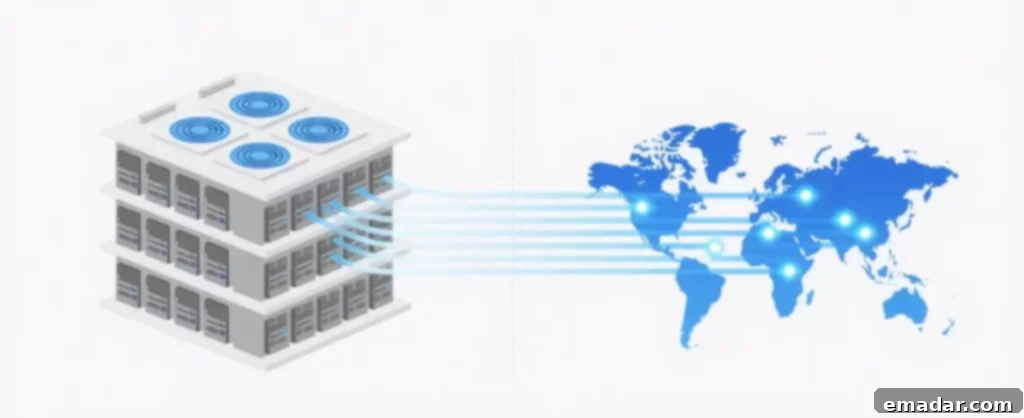
Navigating the Digital Maze: Understanding Internet Filters and Firewalls
Before exploring solutions, it’s vital to grasp the nature of the problem. When you encounter a blocked website at your school, workplace, or even within certain geographical regions, it’s never an arbitrary occurrence. Such restrictions are typically enforced by sophisticated digital gatekeepers, commonly referred to as firewalls or content filters. These systems are strategically deployed at network entry and exit points to regulate internet traffic.
At their core, these gatekeepers operate with predefined rulesets, often containing a “blacklist.” This blacklist is a meticulously curated compendium of specific websites, IP addresses, or even keyword patterns that have been designated for restriction. Common targets include social media platforms, online gaming sites, streaming services, or any content deemed inappropriate or distracting by the network administrator. When your browser attempts to access a URL on this forbidden list, your request is first intercepted by the firewall. It cross-references your destination with its blacklist, identifies the prohibited entry, and promptly denies access, typically presenting you with a generic “Access Denied,” “Connection Refused,” or “Website Blocked” error page. This intricate system acts as an invisible wall, designed to manage network usage, enhance productivity, conserve bandwidth, and sometimes, enforce censorship or comply with legal mandates.
The Digital Intermediary: How Web Proxies (Like Proxyium) Work
So, how does one circumvent such an intelligent digital gatekeeper? The answer lies in employing a clever intermediary – a web proxy service. Think of a web proxy, such as Proxyium, as your personal digital courier service. Instead of directly approaching the locked gate, you send your request through a trusted third party, which then fetches the content for you.
Here’s a detailed, step-by-step breakdown of the scientific principle behind this bypass mechanism:
- Indirect Approach: Instead of typing the blocked website’s URL directly into your web browser, you initiate your internet journey by first visiting the proxy service’s website. This acts as your designated “courier’s office.”
- Placing Your Order: On the proxy’s homepage, you’ll find a designated input field where you enter the URL of the website you wish to access. This action effectively hands your request over to the digital courier.
- The Proxy Fetches the Content: Upon receiving your request, the proxy server—which is typically located on an open, unrestricted segment of the internet and is not on your local network’s blacklist—makes the actual request to the blocked website on your behalf. From the perspective of the blocked site, the request originates from the proxy server, not from your restricted network.
- Content Delivery: Once the proxy server successfully retrieves the website’s content, it then transmits that data back to your browser. Crucially, this content is often encapsulated and displayed within the proxy’s own interface or through a modified connection, making it appear as if you are simply browsing the proxy website itself.
The core scientific principle at play here is misdirection and IP address masking. Your school or workplace firewall only observes your device communicating with the proxy’s IP address – an address it hasn’t flagged as prohibited. It remains oblivious to your actual destination beyond the proxy, allowing you to bypass the imposed restrictions seamlessly. This method effectively creates a tunnel through the digital wall, making the blocked site accessible once more.
The “Free” Proxy Paradox: Unveiling Hidden Costs and Significant Risks
The allure of a “free” digital courier service like Proxyium is undeniable, offering unparalleled convenience without an upfront monetary cost. However, a deeper, more scientific inquiry into its business model reveals an important truth: nothing truly valuable online is ever entirely free. So, how do free services like Proxyium sustain their infrastructure, pay for bandwidth, and cover operational expenses? The answer frequently involves you, the user, becoming the product rather than the customer.
Advertising Revenue: The Most Visible Cost
Many free proxy services rely heavily on advertising revenue. This often manifests in several ways:
- Injected Ads: Free proxies frequently inject their own advertisements directly into the webpages you are viewing, even if the original site had no ads or different ads. This can include banners, pop-ups, and even intrusive video ads, disrupting your browsing experience.
- Redirects: Some proxies might occasionally redirect you to sponsored pages or advertisements before reaching your intended destination.
- Affiliate Marketing: They might integrate affiliate links, earning a commission if you make a purchase through them.
Data as a Commodity: The Invisible Exchange
Perhaps the most significant and often overlooked cost of using free proxies is the commodification of your personal data. When you route your internet traffic through a free proxy server, you grant that service a privileged position as a middleman. In principle, this allows them to:
- Log Your Activities: Record every website you visit, every search query you make, and even details about your device and operating system.
- Monitor Your Interactions: Track your clicks, downloads, and the time you spend on various sites.
- Collect Personal Information: Although less common with simple web proxies, some might attempt to glean information from unencrypted forms you submit.
This collected user data is an incredibly valuable commodity. It can be aggregated, anonymized (though “anonymization” is often imperfect), and then sold to marketing firms, data brokers, or other third parties for targeted advertising, market research, or even more nefarious purposes. Essentially, you trade your browsing privacy for free access.
Security Risks: The Gravest Concern
In the worst-case scenario, the operators behind a “free” proxy service might be malicious actors. Their position as the “middleman” presents significant security vulnerabilities:
- Man-in-the-Middle Attacks: They can intercept your unencrypted data, potentially stealing sensitive information like usernames, passwords, credit card details, or other personal identifiers.
- Malware Injection: Malicious proxies can inject their own malicious code (malware, spyware, ransomware) into the webpages you visit or directly into your device via downloads, compromising your system.
- Phishing Redirects: They can subtly redirect you from legitimate websites to convincing but fake “phishing” sites designed to steal your credentials.
- Lack of Encryption: Many free web proxies do not provide end-to-end encryption. While they might secure the connection between you and the proxy, the connection between the proxy and the destination website might be unencrypted, leaving your data vulnerable to surveillance.
- IP Leaks: Poorly configured free proxies can sometimes leak your real IP address, defeating the purpose of anonymity and exposing your location.
The scientific conclusion is stark: a “free” service is rarely without a significant price. In the realm of free proxies, the currency you often pay is your personal data, your digital privacy, and potentially, your online security. Understanding these hidden costs is crucial for making responsible choices about your internet usage.
The Professional’s Toolkit: Secure vs. Simple Proxies and VPNs
For individuals and businesses for whom digital privacy, robust security, and unwavering reliability are paramount, the casual, free web proxy falls short. The science of professional data handling and enterprise-level online anonymity demands a much higher standard. This is where professional-grade proxy networks and Virtual Private Networks (VPNs) come into play, representing the gold standard in secure online operations.
Beyond the Basics: What Professional Proxies Offer
Unlike their free counterparts, premium proxy services operate on a secure, subscription-based model. They are engineered to provide a robust, reliable, and private connection, prioritizing user data protection above all else. Key features include:
- Enhanced Security: Professional proxies often come with robust encryption protocols, safeguarding your data from interception. They have clear, transparent privacy policies, explicitly stating they do not log user activities or sell data.
- Superior Performance: With dedicated servers and ample bandwidth, paid proxies offer significantly faster connection speeds and greater stability, minimizing lag and disconnections.
- True Anonymity: These services provide access to vast pools of clean, frequently rotated IP addresses, including highly sought-after residential IPs. Residential IPs are legitimate IP addresses assigned by Internet Service Providers (ISPs) to home users, making your activity appear organic and legitimate, thus less likely to be blocked by sophisticated detection systems.
- Reliability and Uptime: Premium services guarantee high uptime and consistent performance, backed by professional customer support.
- Specific Use Cases: Businesses leverage these proxies for market research, SEO monitoring, ad verification, social media management, and geo-targeting without risking their data or IP reputation. Individuals use them for secure browsing, accessing geo-restricted content reliably, and protecting their identity.
Take a service like IPFLY, for example. It epitomizes the professional approach. IPFLY operates a secure, subscription-based network offering high-quality residential IPs. Its business model is built on providing a secure, reliable service as a paid commodity, with user privacy and data integrity at its core. This stands in stark contrast to free services that may monetize your browsing habits. The science behind such a professional tool is about delivering a guaranteed, secure connection, ensuring user privacy and anonymity are the top priorities, not an afterthought.
While a web proxy like Proxyium merely reroutes your browser traffic, a VPN (Virtual Private Network) offers a more comprehensive security solution. A VPN encrypts *all* your internet traffic, regardless of the application, and routes it through a secure tunnel to a remote server. This provides system-wide protection and a higher degree of anonymity and security, making it ideal for handling sensitive information or ensuring complete digital privacy across all online activities. Knowing the difference is crucial for selecting the appropriate tool for your specific needs.
Hey folks! Wondering how to use proxies without mistakes and grab the latest tricks? Head straight to IPFLY.net for great services, then hop into the IPFLY Telegram community—we chat tips daily, even newbies can catch on fast. Don’t wait, join us!

Choosing the Right Tool for Your Digital Journey: An Informed Decision
Your initial search for “Prociyum,” which likely led you to Proxyium, introduced you to a tool that elegantly demonstrates the simple yet effective science of web proxies. For casual, non-sensitive tasks—such as quickly bypassing a basic web filter to access a news article or a non-critical social media feed—a free web proxy can serve as a handy instrument. It provides a straightforward means to achieve digital freedom in very specific, low-risk scenarios.
However, just as a diligent scientist thoroughly understands the capabilities and limitations of their equipment, every internet user must fully comprehend the tools they employ. The business model underpinning most free unblockers inherently relies on the monetization of your data and attention, often at the expense of your privacy and security. By taking the time to understand the science behind how these tools function—not just how they enable access, but critically, how they sustain themselves—you empower yourself to make truly informed decisions.
This knowledge allows you to discern when a free proxy is an acceptable, albeit risky, shortcut, and more importantly, when to unequivocally opt for a more secure and robust instrument, such as a paid proxy service or a Virtual Private Network (VPN), to safeguard your digital privacy and sensitive information. Your online journey is a personal one, and equipped with the right understanding, you can navigate its complexities securely and confidently, ensuring your digital freedom doesn’t come at the cost of your peace of mind.