
In the vast and interconnected landscape of the internet, a proxy server stands as a fundamental intermediary. At its core, it’s a dedicated buffer that facilitates your online requests, providing a significant boost in your **privacy, security, and access** to global information. Imagine it as your personal, digital middleman – an intelligent gatekeeper that fetches data on your behalf, effectively masking your true online identity. This essential function forms the bedrock for a wide array of applications, ranging from safeguarding personal data to powering complex business intelligence operations.
In an era where digital footprints are constantly tracked and data privacy is paramount, understanding how a proxy server operates is no longer just for tech enthusiasts; it’s a necessity for anyone navigating the web.
Understanding the Role of Proxy Servers as Your Internet Intermediary
To truly grasp the power of a proxy server, let’s consider a simple real-world analogy. Suppose you’re interested in purchasing a rare, valuable item from a seller who prefers to transact only with trusted, established agents. Instead of approaching the seller directly and revealing your identity, you opt to hire a professional personal shopper. You provide the shopper with your requirements, and they discreetly handle the transaction, procure the item, and deliver it to you. The seller interacts solely with your designated shopper, remaining completely unaware of your identity as the ultimate buyer.
This analogy perfectly encapsulates the function of a proxy server within the realm of internet traffic.
Every time you engage with the internet, your device is assigned a unique IP address—a distinctive numerical label that acts as your digital ‘home address.’ A proxy server strategically positions itself between your device and the websites you visit. Instead of your computer directly contacting the website, the proxy server intervenes, using its *own* IP address to make requests on your behalf. This seamless redirection of your internet traffic is the core mechanism that imbues proxies with their immense power. It essentially swaps your permanent digital address for a temporary, anonymized one, creating a crucial layer of separation.
This seemingly simple act of intermediation unlocks a suite of critical capabilities that redefine your online experience:
- Enhanced Anonymity: Your genuine IP address is completely obscured, making it exceptionally challenging for websites, advertisers, and data brokers to pinpoint your geographical location or extensively monitor your online activities. For instance, a corporation conducting competitive analysis can utilize a proxy to browse a rival’s website without revealing their corporate IP, thus appearing as a regular, untraceable user and avoiding detection.
- Unrestricted Access: By routing your connection through a proxy server situated in a different country or region, you gain effortless access to content, services, or websites that are typically geo-restricted. If you’re traveling abroad and wish to access your home country’s streaming services, a proxy server based in your home country allows you to log in as if you never left, bypassing geographical barriers.
- Fortified Security: The proxy server acts as a robust barrier, positioned between your personal device and the myriad of potential threats lurking online. It can be configured to filter out known malicious content, block suspicious websites, and even protect against certain types of cyberattacks before they ever reach your network. In a corporate setting, for example, a proxy can be deployed to prevent employees from accessing known phishing sites or downloading harmful files, significantly bolstering the organization’s overall cybersecurity posture.
The escalating demand for these critical functions is undeniable. The global proxy server service market, valued at approximately $2.51 billion, is projected to surge to an impressive $5.42 billion by 2033. This remarkable growth trajectory underscores the increasing importance of digital privacy, secure data access, and unrestricted information flow in our increasingly interconnected world. For a more granular understanding of these market dynamics, you can explore this comprehensive report on marketgrowthreports.com.
Exploring the Diverse Landscape of Proxy Types and Their Strategic Applications
It’s crucial to understand that the term “proxy server” encompasses a variety of distinct types, each meticulously engineered for specific tasks and use cases. A foundational understanding of these different proxy types and their respective roles is the essential first step towards selecting the optimal solution for your individual or business objectives. This knowledge will serve as a valuable guide when we delve into more practical applications later in this article.
A proxy server transcends being merely a gateway; it functions as a versatile strategic tool, empowering users with greater control over their digital identity, expanding access to global information, and enhancing overall online security.
Let’s systematically break down the primary categories of proxies and identify their most effective applications:
| Proxy Type | Core Characteristic | Primary Use Cases |
|---|---|---|
| Residential Proxies | Leverages real IP addresses assigned by Internet Service Providers (ISPs) to genuine physical devices. Highly legitimate and difficult to detect. | Advanced web scraping, comprehensive ad verification, large-scale social media management, e-commerce price monitoring, brand protection. |
| Datacenter Proxies | Utilizes IP addresses originating from data centers. Known for exceptional speed, reliability, and cost-effectiveness. | Protecting enterprise networks, high-speed market research, bypassing basic geo-restrictions, bulk SEO monitoring, content delivery. |
| ISP Proxies (Static Residential) | A hybrid offering the high speed of datacenter proxies combined with the perceived legitimacy of residential IPs, as they are real IPs hosted on datacenter servers. | High-volume e-commerce data collection, advanced SEO monitoring, managing numerous online accounts with high trust, sneaker copping. |
| Shared Proxies | Multiple users concurrently share the same proxy IP address, making them the most economical option. | Basic anonymous browsing, accessing non-sensitive geo-blocked content, casual online research, simple IP masking for low-stakes tasks. |
While this table provides a concise overview, it’s important to recognize that each proxy type possesses its own unique set of strengths and limitations. The ultimate decision on which proxy to deploy hinges entirely on your specific goals—whether you’re conducting intricate e-commerce site scraping, managing multiple high-value social media profiles, or simply enjoying geo-blocked content.
Fortifying Your Digital Security and Online Privacy with Proxy Servers
Consider a proxy server as your dedicated digital bodyguard, diligently positioned between you and the often-unpredictable open internet. Its primary directive is to establish a secure buffer, effectively shielding your true identity, real IP address, and geographical location from intrusive eyes and potential threats. This fundamental separation is undeniably one of the most compelling and critical reasons why individuals and organizations alike integrate proxies into their online strategies.

When you connect directly to a website, you are, in essence, openly broadcasting your IP address—your unique digital identifier—to that site. This is akin to providing your precise home address to every single shop you enter. A proxy server skillfully interrupts this direct communication. By employing its own IP address to interact with the target website, it meticulously masks your actual IP. This seemingly straightforward act of rerouting your internet traffic represents an exceptionally potent maneuver in enhancing your digital security posture.
This strategic IP masking proves to be a game-changer in averting direct cyberattacks. Malicious actors frequently target specific IP addresses as launching pads for Distributed Denial-of-Service (DDoS) attacks, attempts to breach network defenses, or other nefarious activities. By strategically placing your real IP address behind a proxy, you render your network a far more elusive and challenging target to locate and exploit. For a small to medium-sized business, this crucial layer of protection can be the deciding factor between their website remaining operational during a targeted attack or suffering a complete, costly outage.
Diligent Protection of Your Sensitive Digital Footprint
Beyond actively fending off direct threats, proxy servers play an indispensable role in safeguarding everyday privacy. With every click and every browse, websites, sophisticated advertisers, and vast data brokers are relentlessly collecting information inextricably linked to your IP address. This aggregated data is then meticulously utilized to construct detailed profiles of your browsing habits, personal interests, geographical location, and even financial tendencies. These comprehensive profiles are subsequently leveraged for highly targeted advertising campaigns or, more concerningly, sold to the highest bidder in the data marketplace.
A proxy server effectively throws a significant wrench into the gears of this pervasive data collection machinery. By rendering your online connection anonymous, it drastically impedes trackers from easily correlating your digital activities back to your personal identity. This mechanism empowers you to regain a significant degree of control over your digital footprint. For example, if you are conducting sensitive research into a particular health condition, utilizing a proxy can prevent advertisers from inundating your social media feeds with related advertisements, thereby preserving the privacy of your personal life and research.
Employing a proxy is akin to donning an invisibility cloak in the online realm. It grants you the freedom to gather information, engage with websites, and conduct your online activities without leaving a traceable trail of personal data that could be exploited by advertisers, data brokers, or malicious entities.
Consider the scenario of an investigative journalist working on a highly sensitive story. They can leverage a high-anonymity proxy to securely communicate with confidential sources and conduct their research without inadvertently revealing their physical location or the organization they represent. This critical safeguard protects both the journalist and their sources from potential repercussions—a prime real-world illustration of the indispensable role proxies play in high-stakes situations requiring utmost discretion.
Discerning Between Different Levels of Online Anonymity
It’s vital to recognize that not all proxy servers are created equal, and consequently, they do not all provide the same degree of privacy or anonymity. The optimal proxy for your needs is entirely dependent on the specific task you aim to accomplish. Comprehending these distinctions is paramount for effectively protecting your online identity.
- Transparent Proxies: These proxies offer virtually no anonymity. In fact, they explicitly identify themselves as proxies and transmit your real IP address directly to the target website. Their primary utility lies in applications such as content filtering within institutional networks (e.g., schools or corporate offices) or for caching purposes, rather than for user privacy. A practical example is a school’s Wi-Fi network blocking access to YouTube, a function typically managed by a transparent proxy.
- Anonymous Proxies: These proxies successfully conceal your actual IP address, providing a basic layer of anonymity. However, they still reveal their nature by identifying themselves as a proxy server. This level of anonymity is generally sufficient to evade generic targeted marketing efforts but will likely not bypass the detection mechanisms of sophisticated websites specifically designed to block proxy traffic.
- High-Anonymity (Elite) Proxies: This category represents the pinnacle of online privacy. High-anonymity proxies are meticulously designed not to identify themselves as proxies and completely obscure your real IP address. To any website or server on the receiving end, your traffic appears indistinguishable from that originating from a regular, unproxied user. This makes them the superior choice for tasks demanding maximum security, discretion, and privacy.
The selection of the appropriate anonymity level should be a deliberate decision aligned with your specific online requirements. If your objective is casual browsing and a desire to circumvent some targeted advertisements, an anonymous proxy will likely suffice. However, for tasks that necessitate absolute discretion and undetectable presence, such as the investigative journalist’s scenario, a high-anonymity proxy is an indispensable tool.
The burgeoning demand for such robust digital protection is a key driver of significant market expansion. The global proxy server market was recently valued at approximately USD 3.4 billion and is projected to reach an impressive USD 7.2 billion by 2031. This substantial growth is largely fueled by the persistent rise in cyber threats and the increasing awareness among individuals and businesses of the critical need to safeguard their sensitive data. For a more comprehensive exploration of these market dynamics, refer to this detailed analysis from Verified Market Research.
Empowering Business Intelligence Through Strategic Web Scraping
Beyond the realm of personal privacy, one of the most transformative applications of proxy servers for businesses is their pivotal role in gathering critical intelligence via web scraping. Web scraping refers to an automated process where specialized bots systematically extract vast quantities of public data from websites. For any contemporary enterprise striving for a competitive edge, this meticulously collected data serves as the indispensable fuel for making more informed, agile, and strategically sound decisions within an increasingly cutthroat market environment.
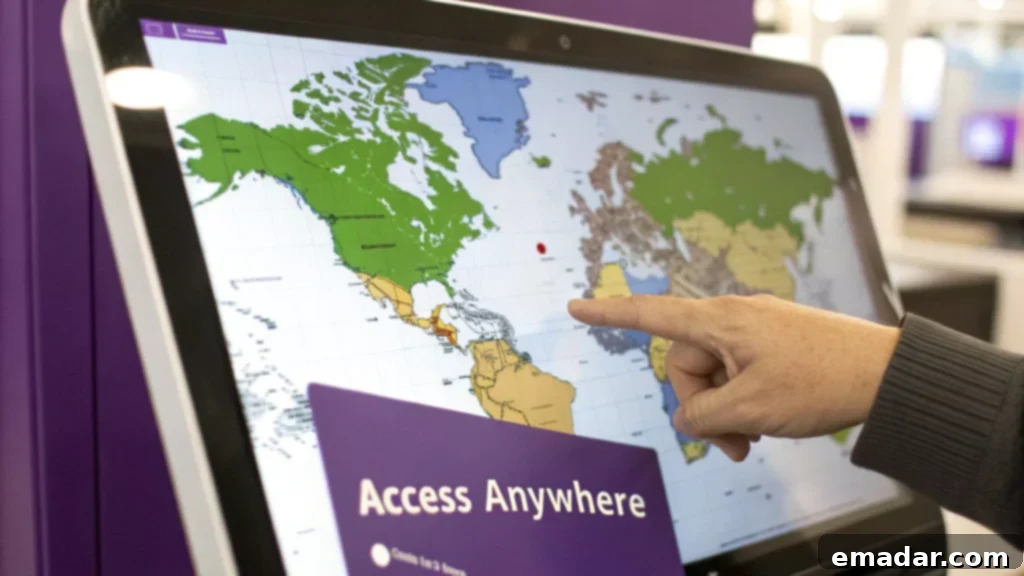
Envision the monumental challenge of manually monitoring and recording the prices of, for example, 500 competitor products on a daily basis. Such an undertaking would be logistically impossible and resource-prohibitive. Web scraping, however, empowers businesses to deploy sophisticated bots to perform this very task automatically, meticulously gathering crucial information such as real-time pricing, inventory levels, new product launches, and customer reviews in mere minutes. This rapid data acquisition provides an unparalleled advantage in market responsiveness.
Naturally, websites are not designed to welcome automated scrapers. When a single IP address begins to dispatch hundreds, if not thousands, of requests within a condensed timeframe, it immediately triggers substantial red flags within website security systems. This aggressive behavior typically results in an immediate—and often permanent—IP ban, effectively bringing the entire data-gathering operation to a grinding, costly halt.
It is precisely at this juncture that proxy servers transition from useful tools to absolutely essential infrastructure.
Mitigating IP Bans and Ensuring Uninterrupted Scalability for Data Collection
Proxy servers masterfully resolve the persistent IP ban dilemma by furnishing the web scraping bot with a colossal pool of alternate digital identities. Instead of all data requests originating from a solitary IP address, a sophisticated rotating residential proxy service can automatically reassign the bot’s IP address for each new request or after a predetermined number of requests. Suddenly, the bot’s activity is meticulously disguised, appearing as if it originates from thousands of distinct, genuine users browsing from diverse geographical locations across the globe.
By intelligently distributing data requests across a vast and dynamic network of IP addresses, proxies effectively camouflage automated data collection, making it indistinguishable from natural human traffic. This critical capability enables businesses to gather vital data reliably, efficiently, and at an unprecedented scale, all without risking detection or encountering debilitating blocks.
This ingenious technique forms a cornerstone of contemporary e-commerce strategy, market research, and competitive intelligence. For those interested in a deeper dive into the technical intricacies and strategic deployment of proxies for data extraction, our specialized guide on leveraging proxies for effective data scraping offers comprehensive insights and practical methodologies.
A Practical Illustration: Price Intelligence in the E-commerce Sector
Let’s illuminate this concept with a tangible, real-world scenario. An online electronics retailer, committed to maintaining a leading position in the market, employs a robust web scraping tool seamlessly integrated with a rotating residential proxy network. Their objective is to continuously monitor the product offerings and pricing strategies of their top five competitors.
Here’s a step-by-step breakdown of this operational process:
- The Strategic Goal: On an hourly basis, the retailer’s automated bot is configured to scrape the product pages for the top 50 best-selling smartphones across each of their key competitor’s websites. This ensures real-time market awareness.
- The Inherent Challenge: This aggressive scraping cadence translates into thousands of data requests daily. Without the strategic deployment of proxies, the retailer’s single server IP address would inevitably be blacklisted by competitor sites within minutes, halting the operation.
- The Intelligent Solution: The bot is meticulously configured to utilize a new residential IP address for every 10 requests it dispatches. To the competitor’s website security systems, this substantial influx of activity appears as fragmented, legitimate browsing behavior from hundreds of individual, distinct shoppers casually navigating their online store.
- The Tangible Outcome: The retailer gains access to a dynamic, live feed of competitor pricing and real-time stock levels. Should a rival drop the price on a popular smartphone model, their automated system can instantly detect this change and autonomously adjust their own pricing to match, ensuring they remain competitively priced and never forfeit a potential sale due to being overpriced.
Accessing Geo-Specific Data for Comprehensive Global Insights
Proxies are equally indispensable for scraping data that is dynamically rendered or modified based on a user’s geographical location. It is common for a website to display varying prices, product assortments, or advertising content to a user browsing from London compared to one in Tokyo. Proxies empower businesses to accurately perceive precisely what their target customers see, irrespective of their physical presence in the world.
Consider, for instance, a global travel aggregator. This entity requires the most precise and up-to-date hotel and flight prices for dozens of distinct regions worldwide. By intelligently routing their scraping requests through proxy servers strategically located in specific cities—such as Paris, New York, or Sydney—they can meticulously collect localized pricing data. This capability enables them to consistently offer their users the most relevant and competitive travel deals, effectively transforming what would otherwise be a complex data acquisition headache into a significant, sustainable business advantage.
Seamlessly Accessing Global Content and Bypassing Geoblocks with Proxies
Among the most widely recognized and incredibly potent applications for a proxy server is its inherent ability to virtually eliminate digital borders. We have all encountered the frustrating scenario: websites, popular streaming services, and online retailers that arbitrarily restrict access based on your physical geographical location. This pervasive practice is formally known as geoblocking, and a proxy server serves as your essential key to circumventing these digital barriers.
The underlying principle is remarkably straightforward. When you consciously route your internet connection through a proxy server situated in another country, you effectively ‘borrow’ that server’s IP address. To any website or online service you subsequently visit, it appears unequivocally as though you are browsing from that new, selected location. This simple act instantly unlocks content that was previously inaccessible mere moments before, granting you a newfound freedom in your online exploration.
With a proxy in place, the internet truly begins to feel like a boundless, global network once again.
Unlocking a World of Diverse Entertainment and Crucial Information
Have you ever yearned to watch a critically acclaimed TV series exclusively available within a streaming platform’s UK library? Simply connect to a proxy server located in London, and your device will instantaneously appear to be operating from within the United Kingdom. Problem solved. The same logical principle applies to international news websites that restrict article access to readers outside their region, or e-commerce stores running exclusive, region-specific promotional sales.
However, the utility of this capability extends far beyond personal entertainment. Businesses across various sectors critically depend on this precise functionality for some of their most vital operational tasks and strategic initiatives.
A proxy server functions as a universal digital key, providing the means to bypass geographical restrictions and digital locks intrinsically tied to your physical location. It grants you legitimate access as a local user, regardless of your actual position anywhere in the world.
For a dedicated market researcher, this capability is invaluable. They can deploy a proxy server in Germany, for instance, to observe a competitor’s website precisely as a German customer would—scrutinizing local promotions, analyzing localized pricing structures, and evaluating regional product stock levels. This allows for the collection of invaluable competitive intelligence that would otherwise remain completely invisible or inaccessible, providing a significant strategic advantage.
Key Corporate Use Cases for Achieving Global Access and Compliance
In the highly interconnected global economy of today, companies bear the critical responsibility of ensuring that their websites, digital advertisements, and mobile applications perform flawlessly and appear optimally for customers across every target region. Proxy servers have emerged as the quintessential tool for executing this level of meticulous quality control and rigorous testing.
Here are several pertinent, real-world examples illustrating how diverse businesses strategically leverage proxies:
- Precision Ad Verification: A prominent digital marketing agency based in New York can utilize proxies strategically located in Japan to diligently verify that their meticulously crafted ad campaigns are accurately rendering and effectively reaching their intended audience in Tokyo. This critical verification process safeguards their substantial ad spend from being squandered on ineffective or improperly displayed advertisements.
- Comprehensive Website Localization Testing: A global software development company can employ proxies from a multitude of different countries to rigorously test its website’s localized versions. They can unequivocally confirm that a user in Brazil observes Portuguese text and prices denominated in Brazilian Reais, precisely as intended for a localized user experience.
- Regulatory Compliance and Due Diligence: A cutting-edge financial technology firm can leverage proxies to scrupulously verify that its digital services and offerings fully comply with specific local financial regulations and data privacy laws across various international jurisdictions, thereby ensuring lawful and ethical operations wherever they conduct business.
Evidently, selecting the appropriate server location is of paramount importance. If your operational requirements necessitate appearing to originate from a specific city or country, then delving into the specialized options for a location-specific proxy becomes the crucial next step in optimizing your strategy.
Sector-Specific Proxy Use Cases Across Industries
To further elucidate the versatility of proxy servers, here is a concise breakdown highlighting how various industries strategically deploy them for highly specific and impactful applications:
| Industry | Primary Use Case | Example Application |
|---|---|---|
| E-commerce | Real-Time Price Monitoring & Data Aggregation | An online retailer strategically uses residential proxies to meticulously scrape competitors’ product prices and stock levels without detection, ensuring their own pricing remains acutely competitive and responsive to market shifts. |
| Digital Marketing | Targeted Ad Verification & Campaign Monitoring | A marketing agency utilizes residential proxies to accurately view digital advertisements from diverse geographic locations, confirming they are displayed correctly and optimally to their precise target audience segments. |
| Data Analytics | Scalable Large-Scale Web Scraping & Data Mining | A specialized data science firm gathers comprehensive public sentiment data from various social media platforms across multiple regions to conduct in-depth market trend analysis for a highly anticipated new product launch. |
| Social Media Management | Secure Management of Multiple Accounts & Brand Presence | A professional social media manager employs dedicated proxies to safely and efficiently operate numerous client accounts from a single physical device, effectively circumventing platform restrictions and preventing account bans. |
| SEO (Search Engine Optimization) | Accurate SERP Tracking & Competitor Auditing | An SEO specialist leverages proxies to meticulously check search engine rankings (SERPs) from various cities and countries, obtaining unbiased, non-personalized results critical for precise keyword performance analysis. |
As this detailed table illustrates, proxies are far from being single-purpose tools; they are incredibly adaptable and robust solutions that effectively address complex real-world business challenges across a vast spectrum of industries.
The global demand for this specific kind of targeted access exhibits considerable regional variation. For instance, North America currently holds a dominant position in the proxy server market, a leadership driven by its highly advanced technological infrastructure and a strong, pervasive emphasis on digital privacy. Conversely, in Europe, demand is significantly shaped by stringent data protection regulations such as the GDPR. For a more profound understanding of these intricate regional market dynamics, consider reviewing this in-depth report on dataintelo.com.
Optimizing Network Performance and Enhancing Administrative Control with Proxies
While most individuals readily associate proxy servers with benefits like enhanced privacy or the ability to circumvent content blocks, their role extends significantly further into the critical domain of network management. For any organization grappling with the complexities of managing a large-scale network, proxies often function as the unsung heroes, diligently working behind the scenes to render internet access faster, demonstrably more reliable, and considerably more secure.
In essence, proxy servers operate as sophisticated traffic managers and vigilant gatekeepers, ensuring that all network operations proceed smoothly and efficiently. This superior operational capability is primarily attributable to a pair of ingenious mechanisms: load balancing and caching. For any website or network striving to accommodate a high volume of users without succumbing to performance degradation or catastrophic crashes, these two features are not merely beneficial, but absolutely non-negotiable.
Intelligent Load Balancing to Prevent System Overloads and Crashes
Consider the quintessential scenario of a highly popular online retail store experiencing the immense traffic surge on a high-stakes event like Black Friday. If every single shopper were to simultaneously attempt to access the exact same backend server, that server would inevitably become overwhelmed and likely crash within minutes. This represents a catastrophic nightmare scenario for any e-commerce business, and it is precisely in these critical moments that a reverse proxy brilliantly intervenes by executing a process known as load balancing.
A reverse proxy is strategically positioned at the forefront of all the website’s backend servers, functioning much like an expert traffic controller. It meticulously intercepts all incoming user requests and intelligently distributes them evenly across the entire pool of available servers. This ensures optimal resource utilization:
- The initial request is skillfully directed to Server A.
- The subsequent request is routed to Server B.
- The third request lands on Server C, and this intelligent distribution continues in a balanced manner.
This streamlined process effectively prevents any single server from becoming an overstressed bottleneck, thereby preserving system stability and responsiveness. Furthermore, if a particular server requires temporary offline maintenance or experiences an unexpected issue, the load balancer intelligently ceases sending traffic its way, seamlessly redirecting users to other operational servers. Users remain completely oblivious to these backend adjustments, and the website’s availability remains uninterrupted. This is precisely how colossal websites adeptly manage millions of concurrent visitors without experiencing any discernible performance issues or service interruptions.
Accelerating Access and Reducing Latency with Strategic Caching
Another profound method by which proxies significantly enhance network performance is through the implementation of caching. You can conceptualize caching as endowing a website or network with a sophisticated short-term memory function. When a user requests specific content from a website, such as its homepage or a frequently accessed image, the proxy server intelligently captures and stores a local copy of that content.
A caching proxy operates similarly to a highly efficient local library. Instead of requiring patrons to travel an extended distance to a distant publisher (analogous to the main origin server) for every popular book request, the library maintains readily available copies on hand for immediate, instant access.
Consider a major online news portal, for example. Its homepage content does not typically undergo changes every single second. A caching proxy can store a recent copy of this homepage and rapidly serve it to thousands of subsequent visitors in a flash, without needing to repeatedly query the main origin server. The practical and significant outcome is that web pages load almost instantaneously for repeat visitors, which dramatically elevates the overall user experience, significantly reduces bandwidth consumption, and alleviates the processing load on the origin server for the host company.
The cumulative result of caching is a substantially faster and more fluid online experience for end-users, coupled with a dramatically reduced workload for the origin server, which inherently contributes to the stability and reliability of the entire system.
Granular Content Filtering and Comprehensive Access Control
Within structured environments such as schools or corporate offices, proxy servers are invaluable assets for network administrators. They function as centralized checkpoints, rigorously enforcing internet usage policies and substantially bolstering network security. An organization can meticulously configure a proxy server to dictate precisely what online activities its users are permitted and restricted from undertaking.
This level of precise control yields several highly practical and tangible benefits:
- Eliminating Distractions: Educational institutions and corporate entities can effortlessly block access to time-wasting social media platforms, online gaming sites, or bandwidth-intensive streaming services. An IT administrator can establish a comprehensive “blocklist” of URLs, and the proxy will automatically prevent any user connected to that network from accessing them, thereby enhancing productivity.
- Heightened Security Posture: Proxies possess the capability to actively prevent users from ever reaching known malicious websites, significantly mitigating the risk of accidental malware downloads or sophisticated phishing attacks. If an employee inadvertently clicks on a phishing link embedded in an email, the proxy can intercept the request, display a warning page, and effectively neutralize the attack before any harm is done.
- Optimized Bandwidth Conservation: By strategically blocking bandwidth-heavy online activities such as high-definition video streaming or large file downloads, an organization can ensure that ample network speed and capacity remain available for mission-critical work and essential business operations.
By intelligently filtering internet traffic directly at the proxy level, network administrators gain granular control over their entire network environment, ensuring it remains productive, secure, and operates with maximum efficiency.
Strategic Selection: How to Choose the Optimal Proxy for Your Specific Objectives
Navigating the various proxy options and making the right selection can initially seem daunting, but it fundamentally simplifies into a straightforward principle: matching the right tool to the job at hand. Now that you possess a comprehensive understanding of the diverse applications for proxy servers, you are significantly better equipped to make an informed and strategic decision. The perfect choice invariably hinges upon your precise objective, your allocated budget, and your specific requirements concerning performance and anonymity.
Consider this choice analogous to selecting a vehicle. You wouldn’t attempt to transport heavy furniture using a high-performance sports car, and you certainly wouldn’t enter a moving truck into a high-speed race. Proxy servers operate under the same fundamental logic—each type is meticulously engineered with a distinct purpose in mind. Let’s now connect the various common use cases we’ve meticulously discussed with the specific proxy types that are best suited to address them.
This clear mapping transforms potentially abstract concepts into a practical, actionable guide, ensuring that your investment is directed towards a solution that genuinely achieves your desired outcomes.
Aligning Proxy Types with Your Strategic Objectives
The very first and most crucial step is to precisely define your ultimate goal. Are you planning to scrape competitor pricing data on a massive scale, manage numerous social media accounts with high trust, or simply maintain privacy during your routine browsing? Your definitive answer to this question provides the most significant clue regarding the ideal proxy type you require.
- For Large-Scale Web Scraping and Extensive Data Collection: When your task involves extracting immense volumes of public data, your primary adversary is the dreaded IP ban. This is precisely where rotating residential proxies excel. They leverage genuine IP addresses sourced from actual internet service providers and associated with real physical devices, making your automated activity appear indistinguishable from that of a regular, human user. This ingenious camouflage dramatically diminishes your chances of detection and subsequent blocking.
- For High-Speed, Security-Sensitive Tasks: If your operational demands necessitate raw, unadulterated speed coupled with a stable, unchanging IP address for critical security-focused tasks, then datacenter proxies represent an outstanding option. Originating from high-performance data centers, they offer blazing-fast connections, making them perfectly suited for fortifying a corporate network or conducting rapid market research where the “human” disguise of a residential IP is not a primary requirement. You can explore a diverse range of dedicated datacenter proxies to understand how they can seamlessly integrate into a security-first infrastructure.
- For Advanced Social Media Management: The intricate process of managing multiple accounts across platforms like Instagram or Facebook demands IP addresses that convey absolute legitimacy to avoid account flagging or permanent bans. ISP proxies or high-quality residential proxies are unequivocally your best bet here, as their genuine, authentic addresses effectively prevent these platforms from mistakenly identifying your activity as automated or suspicious.
- For Overcoming Geo-Restrictions and Content Blocking: Do you need to access specific content or services that are exclusively available in a particular country or region? All you require is a proxy server strategically located within that geographical area. Shared or dedicated datacenter proxies can typically accomplish this task effectively and are often a more economical choice for such purposes.
Crucial Factors Influencing Your Proxy Selection
Once you have successfully aligned your primary objective with a suitable proxy type, there are a few final, yet critical, considerations to weigh before finalizing your choice. Each of these factors plays a substantial role in ensuring your chosen proxy performs as anticipated without incurring unnecessary costs or compromising your operational integrity.
The strategic selection of a proxy is an intricate exercise in balancing optimal performance, desired anonymity, and budgetary constraints. The ideal solution is one that precisely meets your specific operational needs without compelling you to pay for superfluous features you will never utilize.
Prior to making a definitive purchase, carefully evaluate these three foundational pillars:
- The Required Anonymity Level: How paramount is it that your online presence appears 100% human and undetectable? For highly sensitive and intensive tasks like comprehensive web scraping or protecting journalistic sources, a robust, high-anonymity residential proxy is an absolute imperative. Conversely, for simpler activities, such as accessing a geo-blocked news article, a less anonymous datacenter proxy will generally suffice.
- Specific Performance Demands: Does your operational task demand incredibly fast connection speeds and minimal latency? Datacenter proxies are widely recognized as the speed demons within the proxy ecosystem, offering unparalleled performance. Residential proxies, which route traffic through real end-user devices, can sometimes exhibit slightly slower speeds due to their distributed nature. For applications requiring instantaneous responses, such as online gaming or high-frequency trading, a datacenter proxy’s low latency is non-negotiable.
- Your Budgetary Allocation: The costs associated with proxy services can vary significantly. Shared proxies typically represent the most economical entry point, while dedicated residential proxies often constitute a more premium investment due to their enhanced legitimacy and performance. It is crucial to ensure that your allocated budget aligns directly with the criticality and sensitivity of your task—avoid economizing on mission-critical operations where reliability and anonymity are paramount.
Frequently Asked Questions About Proxy Servers
It is perfectly natural to encounter various questions and uncertainties when delving into the intricate world of proxy servers. Let’s address and clarify some of the most common inquiries to provide you with a clearer and more practical understanding of how they function in real-world applications.
Are Proxy Servers Legal to Use?
Unequivocally, yes. The utilization of a proxy server for legitimate and ethical purposes is entirely legal. Businesses and individuals worldwide depend on them daily for a multitude of perfectly valid reasons—including, but not limited to, enhancing online privacy, bolstering cybersecurity measures, and gathering public data for comprehensive market research and business intelligence.
The true question is not whether proxies themselves are legal, but rather, how you choose to deploy them. If a proxy server is used to facilitate illegal activities, such as cyber hacking, unauthorized distribution of copyrighted content, or fraudulent online schemes, then the activity itself is illegal, irrespective of the tool used. However, for standard business operations like targeted ad verification, competitor analysis, or brand protection, proxies are an indispensable, lawful, and ethical tool.
What Is the Fundamental Difference Between a Proxy and a VPN?
This often represents a significant point of confusion for many users. While both proxies and Virtual Private Networks (VPNs) serve the overarching function of routing your internet traffic through an external server, their operational mechanisms and scope differ significantly. A proxy typically operates at the application layer, meaning it usually processes traffic only for a specific application, such as your web browser or a particular software. A VPN, conversely, is a system-wide solution that captures, encrypts, and secures all internet traffic originating from your device, creating a secure tunnel for your entire connection.
The crucial distinction lies in their scope and the degree of encryption. A VPN delivers comprehensive, device-wide, military-grade encrypted security for total privacy and data protection, whereas a proxy is a more targeted tool primarily designed for masking your IP address for specific, isolated tasks.
To put it simply: a proxy is ideal for tasks where your primary objective is to change your apparent IP address without necessarily requiring end-to-end encryption, such as large-scale web scraping or bypassing basic geo-restrictions for specific content. If your requirement is to encrypt all your sensitive data, secure your entire network connection, and achieve total privacy—for example, when using unsecured public Wi-Fi networks at a coffee shop or airport—then a VPN is the unequivocally superior and recommended choice.
Can Free Proxy Servers Be Reliably Trusted?
Exercising extreme caution when considering free proxy servers is an absolute necessity. Operating a stable, high-performance, and secure proxy network demands significant financial investment in infrastructure, maintenance, and expert personnel. When a service is offered for “free,” it is crucial to understand that the provider must generate revenue through alternative means, and this often comes at your expense, potentially compromising your privacy and security.
Here are the most significant and prevalent risks you will almost certainly encounter with free proxies:
- Extensive Data Logging: Many free proxy services are known to meticulously track and log your entire browsing activity, subsequently selling this highly valuable personal data to the highest bidder, directly undermining your privacy.
- Severely Compromised Performance: Be prepared for agonizingly slow speeds, frequent disconnections, and highly unstable connections. Free proxies are simply not designed or equipped to deliver the reliability or performance required for any serious or critical online work.
- Significant Security Vulnerabilities: Disturbingly, a substantial number of free proxies have been documented injecting unwanted advertisements, browser hijackers, or even malicious malware directly into users’ web traffic, posing severe security risks to your device and personal data.
For any task that involves sensitive information, requires a dependable connection, or demands a high level of anonymity and security, investing in a reputable, paid proxy service from a trusted provider is invariably the smarter, safer, and ultimately more cost-effective choice in the long run.
Ready to harness the unparalleled power of reliable, high-performance proxies to propel your business objectives forward? IPFLY offers unparalleled access to a network of over 90 million genuine residential IPs, providing you with the confidence and capability to gather critical data, meticulously manage multiple online accounts, and robustly protect your digital operations. Explore our cutting-edge solutions today at https://www.ipfly.net/.