
The term “Xbox IP puller” describes tools and techniques aimed at discovering the IP addresses of players participating in Xbox Live sessions. To understand this issue, it helps to review how online gaming networks operate and when IP addresses can become visible in peer-to-peer communication scenarios.
Xbox Live, Microsoft’s gaming network, uses different networking models depending on the game, service, and connection type:
| Network Model | Architecture | IP Visibility |
| Dedicated Servers | Centralized hosting | Player IPs hidden from each other |
| Peer-to-Peer (P2P) | Direct player connections | IP addresses visible to connected peers |
| Hybrid Models | Mixed server and P2P elements | Variable visibility based on implementation |
| Party Chat | Direct communication channels | Potential IP exposure in certain configurations |
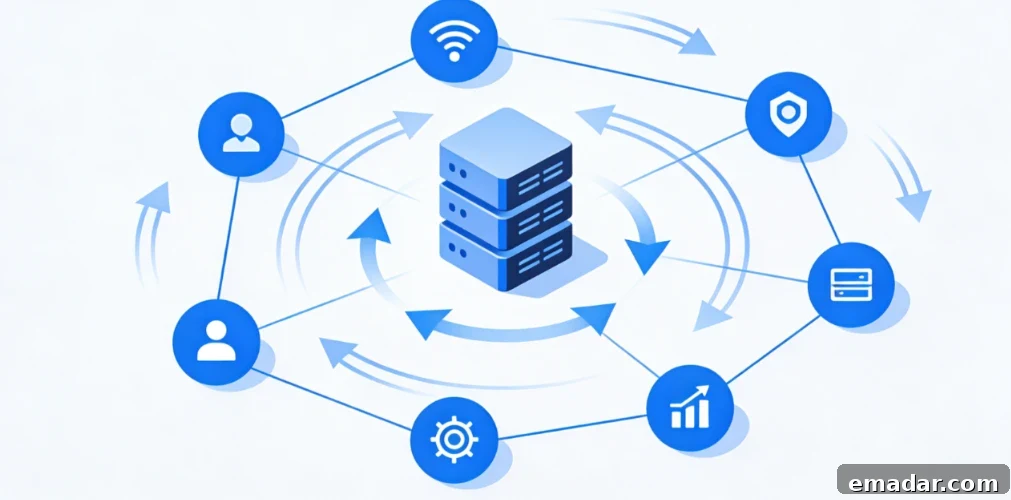
Technical Mechanisms
Xbox IP puller methods generally exploit a few technical and social vectors:
Packet Analysis
Network monitoring tools can capture traffic on a local network and inspect packet headers to identify source and destination IP addresses.
Connection Logging
Router or network device logs record established connections and can reveal peer IP addresses if accessible.
Third-Party Services
Some tools incorporate external services that aggregate network information or leverage application-specific weaknesses.
Social Engineering
Manipulative techniques can trick users into revealing connection details or clicking links that expose their IP information.
Xbox Live Network Architecture
Microsoft’s Infrastructure Design
Microsoft designs Xbox Live to balance performance, privacy, and security:
Dedicated Server Titles
Many modern games run on dedicated servers hosted by Microsoft or publishers. In those cases, player IP addresses are generally not exposed to other players because communication flows through central servers.
Peer-to-Peer Legacy Systems
Certain games—often older titles or those with specific latency needs—still use peer-to-peer connections. In those setups, direct connections between players can reveal IP addresses as an inherent feature of the model.
Party System
Historically, party chat sometimes relied on peer-to-peer voice connections, though Microsoft has moved much of that traffic to server-relayed architectures to improve privacy.
| Service Component | Historical Model | Current Model (2026) |
| Multiplayer Gaming | Mixed P2P and dedicated | Predominantly dedicated servers |
| Party Chat | Peer-to-peer | Server-relayed (majority) |
| Game Streaming | Direct connection | Relayed through Azure |
| Social Features | Various implementations | Cloud-hosted services |
IP Address Exposure Vectors
Exposure can occur in several places:
Direct P2P Connections
Games that use peer-to-peer networking require direct connections, which makes IP visibility a characteristic of the model rather than a specific vulnerability.
Network-Level Analysis
Tools with access to a router, local network, or ISP infrastructure can identify endpoints and connection details.
Third-Party Integrations
Applications or sites that request or aggregate connection details can be abused to reveal IPs, sometimes through deceptive means.
Security Implications and Risk Assessment
Potential Misuse Scenarios
IP exposure can enable harmful actions when misused:
| Misuse Type | Mechanism | Impact |
| Denial of Service (DoS) | Targeting an exposed IP with traffic floods | Connection disruption and degraded service |
| Swatting | False emergency reports to authorities | Physical danger and wasted law enforcement resources |
| Harassment | Using geographic or ISP data to intimidate | Stalking and privacy invasion |
| Network Intrusion | Attempts to exploit home network devices | Unauthorized access and potential data theft |
| Doxing | Public release of personal data | Reputational harm and ongoing harassment |
Risk Evaluation Framework
Not all exposure scenarios carry the same risk level:
Low Risk
- Games on dedicated servers with modern infrastructure
- Users behind standard NAT configurations
- Casual sessions with known friends
Moderate Risk
- Peer-to-peer titles
- Public lobbies with unknown players
- Users with static IP addresses
Elevated Risk
- Competitive players with public profiles
- Content creators and streamers
- Individuals with known adversaries
IPFLY Solutions for Gaming Privacy Protection
Infrastructure for Gaming Security
IPFLY offers proxy solutions designed to reduce the effectiveness of IP pulling by masking network endpoints:
Residential Proxy Implementation
Routing gaming traffic through residential-style proxy addresses can provide benefits such as IP masking, geographic flexibility, rotation to limit tracking, and diversity across ISPs to distribute risk.
| Feature | Function | Gaming Security Benefit |
| IP Masking | Conceal real address | Prevents direct targeting |
| Geographic Flexibility | Choose region | Optimize latency without exposing home IP |
| Rotation Capability | Refresh IPs | Reduces long-term tracking |
| ISP Diversity | Multiple provider representation | Distributed exposure |
| Session Management | Configurable persistence | Maintain stability for sessions |
Xbox Live Optimization
Proxy and networking solutions for gaming must support low latency, UDP traffic, and stable NAT traversal to avoid disrupting gameplay:
Latency Optimization
- Endpoints designed for low latency to major Xbox data centers
- Direct peering with cloud gaming infrastructure
- UDP support for real-time communication
Connection Stability
- Persistent sessions that work with NAT traversal
- Automatic failover to prevent mid-game disconnections
- Bandwidth allocation suitable for high-quality streaming
Security Architecture
- Encrypted control channels
- No-logs policies to minimize retained activity data
- DDoS mitigation to protect gaming sessions
Implementation for Gaming Privacy
Router-Level Configuration
Applying a network-level proxy at the router can protect all devices on the network, including consoles, without requiring native proxy support on the Xbox.
Network Configuration:
- Primary Gateway: Residential proxy endpoint
- Xbox Console: Automatic inheritance via router
- All Traffic: Routed through proxy pool
- Geographic Selection: Match to Xbox Live region
Console-Specific Options
- Router proxy routing to protect the console
- VPN alternatives that support gaming traffic for added encryption
- DMZ or network segmentation to isolate the console from other devices
Protective Measures and Best Practices
Individual User Protection
Network Settings
| Measure | Implementation | Effectiveness |
| NAT Enablement | Router default configuration | High |
| UPnP Disablement | Manual router setting | Moderate |
| Firewall Rules | Restrict inbound connections | High |
| Dynamic IP | Request from ISP | Moderate |
| VPN/Proxy Usage | Commercial service or proxy infrastructure | High |
Behavioral Practices
- Avoid public lobbies with unknown players when possible
- Use Xbox Live privacy settings to limit profile exposure
- Report and block suspicious users promptly
- Do not share network details or click untrusted links
- Regularly review and update security settings
Content Creator and Professional Protection
Streamers and competitive players should consider stronger protections:
Infrastructure Hardening
- Separate gaming network segments from personal devices
- Use professional proxy or VPN services designed for gaming
- Avoid exposing static home IPs and use DDoS protection if needed
- Perform regular security audits and penetration testing
Operational Security
- Separate gaming and personal online identities
- Manage social media links to gaming accounts carefully
- Have an incident response plan for harassment or attacks
- Establish contact with law enforcement for serious threats
Legal and Ethical Framework
Regulatory Context
Tools that reveal IP addresses operate within many legal frameworks that prohibit unauthorized access, harassment, and misuse of personal data:
| Jurisdiction | Relevant Framework | Key Provisions |
| United States | Computer Fraud and Abuse Act (CFAA) | Unauthorized access prohibitions |
| State harassment and stalking laws | Anti-doxing and anti-swatting statutes | |
| European Union | General Data Protection Regulation (GDPR) | Restrictions on processing personal data |
| Network and Information Security Directive | Infrastructure protection requirements | |
| United Kingdom | Computer Misuse Act | Unauthorized access offenses |
| Protection from Harassment Act | Harassment and stalking prohibitions |
Microsoft’s Terms of Service
Xbox Live rules prohibit attempts to obtain others’ personal information, network manipulation, harassment, and other abusive behaviors. Violations can result in account suspension or permanent bans.
Ethical Considerations
Responsible disclosure and community norms matter. Security researchers should report findings through coordinated channels, and communities should discourage doxing, IP pulling, and related harassment.
Advanced Network Security for Gamers
Enterprise-Grade Protection
Multi-layer defense strategies provide the strongest protection:
- Perimeter: Proxy infrastructure to mask real IPs
- Network: Advanced firewall and intrusion detection
- Endpoint: Isolated console network segments
- Application: Strict Xbox Live privacy settings
- Behavioral: Strong operational security practices
Threat Monitoring
- Real-time DDoS detection and mitigation
- Anomaly detection for suspicious connection patterns
- Automated responses to attacks
- Forensic logging to support incident investigation
Future-Proofing Considerations
As infrastructure evolves, the exposure landscape shifts:
Cloud Gaming
Cloud-hosted streaming reduces peer-to-peer exposure because gameplay is served from central servers.
IPv6 Adoption
Wider IPv6 deployment changes addressing and allocation models, affecting both targeting approaches and defensive options.
AI-Powered Security
Machine learning can improve detection of anomalous network behavior and automate defense against sophisticated attacks.
Frequently Asked Questions
What exactly is an Xbox IP puller?
An Xbox IP puller is a tool or technique used to discover the IP addresses of Xbox Live players by exploiting peer-to-peer networking, packet inspection, or social-engineering tactics. Such information can enable harassment or technical attacks.
Is using an Xbox IP puller illegal?
Using tools to obtain someone else’s IP address without consent can violate computer crime laws, privacy regulations, and Xbox Live terms. Misuse such as DoS attacks or swatting carries significant criminal penalties.
How can I protect myself from Xbox IP pullers?
Reduce risk by routing traffic through trusted proxy or VPN solutions, ensuring proper NAT and firewall configurations, avoiding unknown public lobbies, and applying strict Xbox Live privacy settings.
Does Xbox Live expose my IP address to other players?
Most modern Xbox Live services use dedicated servers that hide player IPs, but some games and legacy systems still rely on peer-to-peer connections where IP visibility is inherent to the model.
Can proxy services completely prevent Xbox IP pulling?
Proxy or VPN solutions significantly reduce the effectiveness of IP pulling by masking home IP addresses, though no measure is completely invulnerable. Proper implementation and supporting security practices are essential.
What should I do if someone obtains my IP through Xbox?
If you suspect exposure, enable a proxy or VPN, document the incident, report it to Xbox enforcement, contact your ISP about changing your IP if necessary, and involve law enforcement for serious threats such as swatting.
Are all Xbox IP puller tools malicious?
The tools themselves are neutral, but they are commonly used for harmful purposes. Authorized security researchers follow established disclosure practices rather than exploiting vulnerabilities.
How does IPv6 affect Xbox IP pulling?
IPv6 changes address allocation and may complicate some targeting methods, but peer-to-peer visibility remains a networking model characteristic. Comprehensive defenses like proxies and VPNs remain relevant.
The Xbox IP puller topic highlights a broader trade-off in online gaming: real-time communication needs versus privacy protection, and platform responsibility versus user-level defense. Understanding these mechanics helps gamers make informed security choices and deploy appropriate safeguards.
Combining network-level protections, careful behavior, and community norms that reject harassment can make online gaming safer. As cloud-hosted gaming becomes more prevalent, peer-to-peer exposure will likely decline, but until then, proactive protection and responsible practices remain essential.
IPFLY’s proxy infrastructure is presented here as one technical approach to reduce exposure by routing connections through anonymized endpoints. When combined with correct configuration and operational security, such measures can materially reduce the risk of targeted abuse.