
Socks5 Proxy IP: A Comprehensive Guide for Beginners
In today’s interconnected world, the need for seamless cross-border network access, efficient overseas information retrieval, and smooth global business operations is more critical than ever. In these scenarios, the term “proxy IP” frequently surfaces. Among the various types of proxy IPs available, Socks5 proxy IP stands out as a popular choice due to its unique technical advantages. However, for many newcomers, questions like “What exactly is a Socks5 proxy IP?”, “How does it differ from a regular proxy IP?”, and “What practical problems can it solve?” often linger.
As global network connectivity deepens, the demand for cross-border network access continues to rise. Unfortunately, standard network environments often present challenges such as high latency, slow page loading speeds, and geographical access restrictions. Socks5 proxy IP serves as a valuable tool for optimizing network access. Its core value lies in its ability to optimize network pathways through technical means, thereby enhancing the overall browsing experience. However, to truly leverage its potential, a fundamental understanding of its essence and core logic is crucial, avoiding any blind usage.
Understanding the Essence of Socks5 Proxy IP
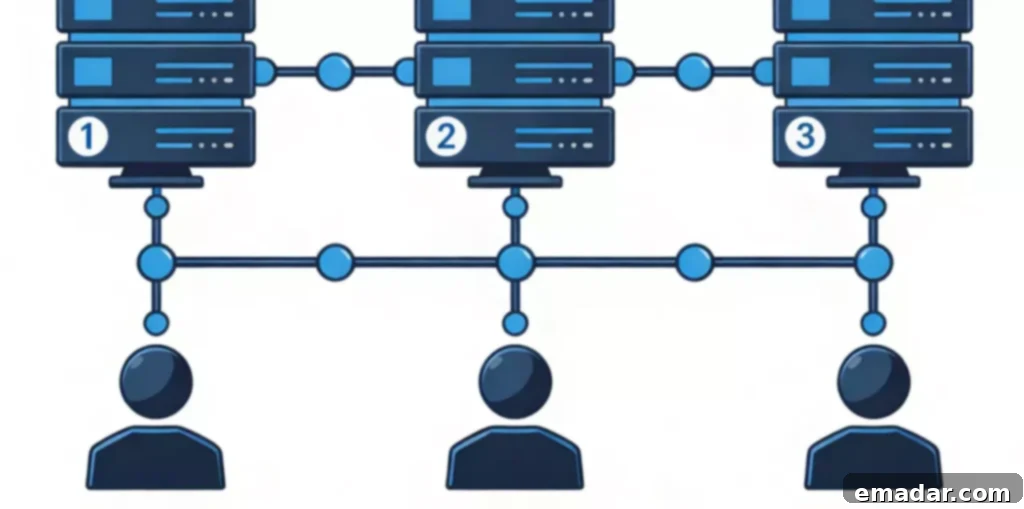
In simple terms, a Socks5 proxy IP is a proxy service based on the Socks5 protocol. Its primary function is to act as an “intermediate bridge” for network access, connecting the user’s device to the target network server. When using a Socks5 proxy IP, the user’s network requests are first sent to the proxy server. The proxy server then forwards these requests to the target server. Finally, the response from the target server is returned to the user’s device.
From a protocol perspective, Socks5 is the fifth version of the Socks protocol. Compared to its predecessor, Socks4, it introduces features like authentication and UDP protocol support, making it more compatible and secure. Compared to other types of proxy IPs like HTTP or HTTPS proxies, the key advantage of Socks5 proxy IP lies in its “universality.” It’s not limited to specific application layer protocols, allowing it to support various network request types, including web browsing, file transfer, video streaming, online gaming, and more, thus making it suitable for a wider range of scenarios.
It’s important to clarify that the core value of a Socks5 proxy IP is “optimizing network pathways” and “bypassing geographical network restrictions,” not for any illegal or unethical purposes. When used within legal and ethical boundaries, it can help users solve various pain points associated with cross-border network access and improve the overall network experience.
How Socks5 Proxy IP Functions
The operation of a Socks5 proxy IP can be broken down into four core steps. Understanding this process provides valuable insights into its mechanism of action:
Step 1: Establishing a Connection
The user’s device establishes a connection with the proxy server using the Socks5 protocol. During this process, the proxy server may authenticate the user (optional, depending on the proxy service settings). Once authentication is successful, the connection is established. The authentication feature is a significant advantage of the Socks5 protocol, effectively preventing unauthorized use of the proxy server and ensuring service stability.
Step 2: Sending the Request
The network request from the user to the target network server (e.g., accessing an overseas website, transferring a file) is first transmitted to the established Socks5 proxy server. The request explicitly includes the address and port information of the target server.
Step 3: Forwarding the Request
Upon receiving the user’s network request, the Socks5 proxy server parses the request and forwards it to the target network server. During this process, the proxy server hides the user’s real IP address. The target server only identifies the IP address of the proxy server, effectively anonymizing the user’s real identity and providing privacy.
Step 4: Returning the Response
Once the target network server receives the request forwarded by the proxy server, it processes the request and generates a response, which is then sent back to the Socks5 proxy server. The proxy server then forwards the response to the user’s device, completing the entire network access process.
The key advantage of this entire process is that the Socks5 proxy server optimizes the network transmission path. Especially in cross-border access scenarios, selecting a proxy node closer to the target server can significantly shorten the data transmission distance, reduce network latency, and improve access speed.
Why Choose Socks5 Proxy IP?
Compared to other types of proxy IPs, Socks5 proxy IP boasts four core advantages, making it the preferred choice for many users:
1. Broad Compatibility and Wide Range of Application Scenarios
Socks5 proxy IP isn’t restricted to specific application layer protocols. It supports various protocols like HTTP, HTTPS, FTP, and UDP, making it suitable for a wide array of scenarios, including web browsing, file transfer, video streaming, online gaming, and email exchange. Whether it’s for individual users conducting overseas information retrieval or for businesses engaging in cross-border operations, Socks5 proxy IPs can meet their needs. Its versatility surpasses that of HTTP proxies and other types.
2. Fast Transmission Speed and Lower Latency
The Socks5 protocol employs a more efficient data transmission mechanism and eliminates the need for additional protocol conversion (some proxy types require parsing and converting HTTP requests), resulting in higher data transmission efficiency. Furthermore, high-quality Socks5 proxy services often deploy a vast network of nodes globally. Users can select the optimal node for connection, further reducing network latency and improving access speed. This is particularly beneficial in scenarios where network speed is paramount.
3. Enhanced Security and Stronger Anonymity
The Socks5 protocol supports multiple authentication methods (e.g., username/password authentication), effectively preventing unauthorized access and abuse of the proxy server, ensuring service security. During data transmission, Socks5 proxy IP hides the user’s real IP address, preventing the target server from directly obtaining the user’s true identity information. This effectively protects the user’s privacy and security. Additionally, some premium Socks5 proxy services encrypt data transmission, further enhancing security.
4. High Stability and Smooth Access
Reputable Socks5 proxy services establish comprehensive node maintenance systems, monitoring and maintaining proxy nodes in real-time to ensure stable operation. Compared to regular proxy IPs, Socks5 proxy IP boasts stronger connection stability, reducing the likelihood of connection interruptions or frequent disconnections. This ensures smooth network access for extended periods, making it suitable for scenarios that require a consistent and stable network environment.
Key Application Scenarios of Socks5 Proxy IP
Socks5 proxy IP finds application in a wide range of scenarios, with cross-border network access being one of its primary areas. In contexts like cross-border e-commerce, overseas information retrieval, and global academic exchange, it effectively addresses the challenges encountered in standard network environments:
In cross-border e-commerce operations, merchants frequently need to access overseas e-commerce platform backends, view overseas market data, and communicate with overseas suppliers. Standard network environments often lead to slow page loading and delayed data updates, impacting operational efficiency. By utilizing Socks5 proxy IP, merchants can select proxy nodes located in the target market, optimizing network pathways and enabling rapid access to overseas e-commerce platforms, ensuring smooth order processing and data analysis.
For example, IPFLY’s Socks5 proxy service deploys high-quality nodes in major cross-border markets globally, precisely catering to the network requirements of cross-border e-commerce operations, reducing access latency, and boosting operational efficiency.
In overseas information retrieval, researchers and media professionals often need to access overseas academic databases, news websites, and other resources. Some of these resources might have geographical access restrictions, or the access speed may be extremely slow on a standard network. Socks5 proxy IP helps users overcome these restrictions, enabling rapid access to target resources through optimized nodes, facilitating the acquisition of needed information. Additionally, its anonymity features protect user privacy and prevent personal information leaks.
In global academic exchange and remote collaboration scenarios, users need to participate in overseas online meetings, access remote servers to obtain data, and more, demanding high network stability and speed. Socks5 proxy IP provides a stable network connection, reducing the probability of video buffering and data transmission interruptions, ensuring smooth remote collaboration.
Understanding the Core Logic of Socks5 Proxy IP
In summary, Socks5 proxy IP is a proxy service characterized by broad compatibility, high speed, robust security, and exceptional stability. Its core value lies in optimizing network pathways, bypassing geographical network restrictions, and safeguarding user privacy. When familiarizing themselves with Socks5 proxy IP, novices should grasp its working principles and key advantages, avoiding confusion with other proxy types. Furthermore, it’s essential to understand its legitimate application scenarios, focusing on legitimate needs like cross-border access optimization and privacy protection.
When selecting and using a Socks5 proxy service, it’s advisable to prioritize services with extensive node coverage and well-established maintenance systems (such as IPFLY), ensuring network access stability and security. When used correctly and reasonably, Socks5 proxy IP can be a valuable tool for resolving cross-border network access challenges and enhancing the overall network experience, providing strong support for both individual and corporate global network needs.
IPFLY Proxy Features:
- Stable across all nodes, supporting 190+ countries and regions globally
- Instant connection, seamless operation, simulating real home broadband scenarios