
In today’s interconnected digital landscape, the demands for privacy, security, and stable access to online resources have never been greater. Whether you are a seasoned developer, a dynamic marketing professional, or an ambitious e-commerce entrepreneur, leveraging the right proxy solution can significantly enhance your operational efficiency and bolster your security posture. Among the various options available, IPv4 proxies stand out as one of the most established, reliable, and widely utilized choices, forming the bedrock for countless online activities requiring discretion and performance.
Understanding the Fundamentals of an IPv4 Proxy
At its core, an IPv4 proxy server operates as an intermediary, routing your internet requests through an IPv4 address. These addresses adhere to the traditional Internet Protocol version 4 format, characterized by numerical strings like 192.168.1.1. When you connect to the internet via an IPv4 proxy, your device doesn’t directly communicate with the target website. Instead, your request first goes to the proxy server, which then forwards it to the website using its own IP address from its pool. This simple yet powerful mechanism ensures that the website you are visiting perceives the proxy server’s IP address as the origin of the request, effectively concealing your true IP address and location.
This foundational function of an IPv4 proxy offers a multitude of benefits, primarily revolving around enhanced anonymity, the ability to bypass geographical restrictions, and the seamless management of multiple online identities or regional presences without detection. For instance, an e-commerce seller operating across international borders can utilize IPv4 proxies to securely log into and manage several storefront accounts, preventing IP address conflicts that could lead to account suspensions. Reliable proxy services, such as IPFLY, offer millions of pristine IPv4 addresses across over 190 countries, guaranteeing smooth, secure, and uninterrupted connections essential for critical business operations.
How IPv4 Proxy Servers Function: A Deep Dive
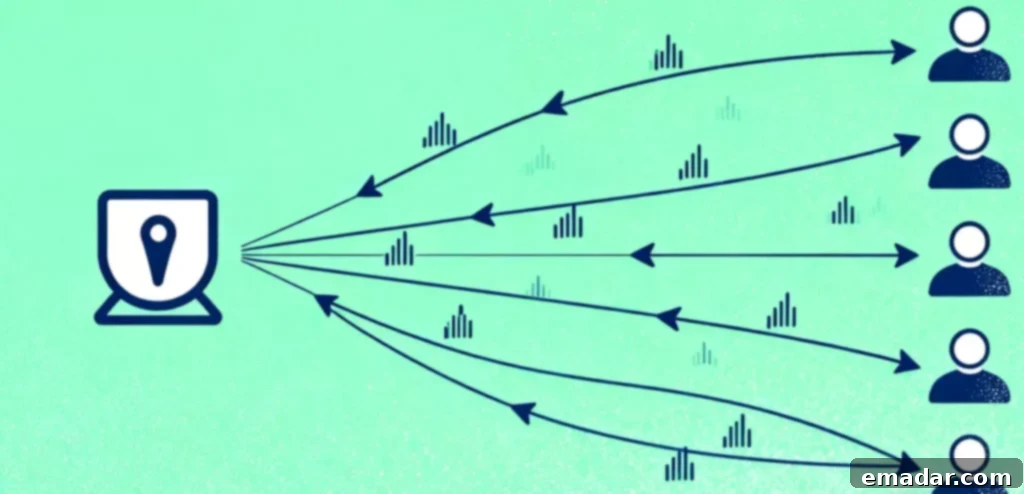
The operational mechanics of an IPv4 proxy server are surprisingly straightforward yet incredibly effective. When you initiate a request to access an online resource – be it a webpage, an API, or any other digital content – your device doesn’t send this request directly to the destination server. Instead, it first directs the request to the configured IPv4 proxy server. This proxy server then acts as your digital representative on the internet, taking your request, modifying it to obscure your real IP address, and forwarding it to the target website. The website, in turn, processes the request and sends the response back to the proxy server, which then relays the information back to your device.
This basic but crucial process can be broken down into a series of steps:
- Initiating a Request: You, the user, send a request to access a particular online resource, such as visiting a specific webpage or querying a database.
- IP Address Masking: The IPv4 proxy server intercepts this request. It then intelligently hides your actual IP address and replaces it with one of the many available IPv4 addresses from its extensive pool. This step is fundamental to achieving anonymity and location spoofing.
- Forwarding to Destination: The proxy server, now acting on your behalf with its own IP, forwards your request to the target website or server. The website receives the request and sees only the proxy’s IP address, remaining completely unaware of your true location or identity.
- Receiving and Relaying Response: Upon processing the request, the target website sends its response (e.g., the webpage content) back to the proxy server. The proxy server then securely transmits this response back to your device, completing the communication cycle without ever exposing your direct connection to the website.
This sophisticated setup does more than just conceal your actual location; it also empowers you to access websites or online services that might otherwise be restricted in your geographical region or subject to specific IP-based limitations. For users leveraging advanced services like IPFLY, the benefits are further amplified by features such as intelligent IP address rotation and high-speed connections, which significantly reduce the likelihood of detection, blocking, or flagging by target websites. These capabilities ensure a more robust and persistent online presence, critical for tasks ranging from market research to maintaining a global digital footprint.
Key Advantages of Harnessing IPv4 Proxies for Your Online Activities
The adoption of IPv4 proxies offers a compelling array of advantages that cater to a wide spectrum of digital needs, from individual privacy concerns to complex business operations. Their versatility and reliability make them an indispensable tool in the modern online environment.
1. Enhanced Privacy and Robust Security
One of the foremost benefits of using an IPv4 proxy is the substantial boost it provides to your online privacy and security. By effectively masking your real IP address, these proxies create a protective barrier between your device and the internet. This significantly mitigates the risk of data breaches, prevents malicious tracking attempts, and shields your personal information from unauthorized access. For individuals or organizations routinely handling sensitive data, conducting confidential research, or managing numerous online accounts, this layer of anonymity is invaluable. It ensures that your digital footprint remains discreet, protecting you from potential cyber threats and unwanted surveillance.
2. Unrestricted Access to Geo-Restricted Content
Many websites and online services implement geographical restrictions, limiting content access based on the user’s IP address. This can be a significant hurdle for businesses operating globally or for individuals seeking information from different regions. IPv4 proxies provide an elegant solution by allowing you to appear as though you are browsing from an entirely different geographical location. This capability is crucial for marketers needing to verify ad placements in various regions, developers testing location-specific features of their applications, or e-commerce sellers wanting to analyze localized versions of competitor websites. With an IPv4 proxy, geographical boundaries dissolve, opening up a world of content and data previously inaccessible.
3. Streamlined and Secure Account Management
Professionals managing multiple online accounts, such as social media managers handling numerous client profiles or cross-border e-commerce sellers overseeing several store accounts, face the constant challenge of avoiding account association or suspension. Websites often flag multiple accounts logging in from the same IP address as suspicious activity. IPv4 proxies resolve this by providing a unique, clean IP address for each account or group of accounts. This enables users to operate distinct online identities in isolated login environments, drastically reducing the risk of account linking, shadow-banning, or outright suspension. It ensures seamless, secure, and scalable account management across various platforms.
4. Superior Speed and Unwavering Stability
While internet infrastructure continues to evolve, IPv4 remains the most widely supported protocol across global platforms. This widespread compatibility often translates into faster and more stable connections when utilizing IPv4 proxies, especially when compared to their IPv6 counterparts, which might encounter compatibility issues on older or less updated websites. For operations demanding consistent uptime and high-speed data transfer, such as real-time market analysis or continuous web scraping, the inherent stability of IPv4 proxies is a critical advantage. Services like IPFLY, offering static residential IPv4 proxies, are particularly renowned for their stability and reliability, making them ideal for long-term business operations like comprehensive advertising management and in-depth market research.
IPv4 Proxies vs. IPv6 Proxies: A Comparative Analysis
While both IPv4 and IPv6 proxies serve the fundamental purpose of acting as intermediaries for internet traffic, they are built upon different underlying Internet Protocol versions and thus exhibit distinct characteristics. Understanding these differences is crucial for choosing the right proxy solution for your specific needs.
| Feature | IPv4 Proxy | IPv6 Proxy |
| Address Format | 32-bit (e.g., 192.168.1.1) | 128-bit (e.g., 2001:0db8:85a3::8a2e:0370:7334) |
| Compatibility | Supported by virtually all websites and online services globally due to its widespread adoption. | Compatibility can be limited on older platforms or websites that have not yet fully transitioned to IPv6. |
| Availability | Fewer available IP addresses globally, leading to higher demand and potentially higher costs for premium, clean IPs. | An almost limitless pool of IP addresses, as it was designed to address the exhaustion of IPv4 addresses. |
| Speed & Reliability | Generally offers high stability and consistent performance across most online environments. | Performance can vary depending on the target website’s IPv6 support and network infrastructure, potentially leading to inconsistencies. |
In essence, IPv4 proxies continue to be the most widely adopted and reliable choice for a broad spectrum of online activities, particularly for commercial applications, automation tasks, and scenarios requiring universal compatibility. Their established infrastructure and extensive support ensure robust performance and fewer compatibility headaches. While IPv6 proxies offer a vast address space, their adoption is still evolving, meaning IPv4 often provides a more dependable and universally accepted solution for critical operations that demand consistent uptime and broad access.
Common Use Cases for IPv4 Proxies Across Industries
The versatility of IPv4 proxies makes them indispensable tools across numerous industries and for various online tasks. Their ability to mask IP addresses and spoof locations opens up a plethora of strategic advantages:
- Cross-Border E-commerce: Online sellers operating in multiple regions heavily rely on IPv4 proxies. They enable merchants to simulate customer visits from different countries, allowing them to view localized product listings, pricing, and promotions. More importantly, proxies facilitate the secure management of multiple store accounts on platforms like Amazon, eBay, or Shopify, preventing account bans due to suspicious IP activity.
- Web Scraping and Data Collection: Developers and data scientists frequently use IPv4 proxies for large-scale web scraping operations. When collecting vast amounts of data from websites, continuous requests from a single IP can trigger bans or blocks. Proxies allow developers to rotate IP addresses, making each request appear to come from a different user, thus avoiding detection and ensuring uninterrupted data collection for market research, competitive analysis, and trend forecasting.
- Advertising Verification and Compliance: Marketing professionals utilize IPv4 proxies to rigorously verify advertisement placements and observe regional ad variations. By connecting through proxies located in specific geographic areas, they can confirm that their ads are being displayed correctly, target the intended audience, and comply with local regulations. This ensures ad campaign effectiveness and prevents ad fraud.
- SEO Monitoring and Keyword Tracking: SEO analysts and digital marketers leverage IPv4 proxies to monitor keyword rankings and analyze search engine results pages (SERPs) from diverse geographical locations. Search results are highly personalized and location-dependent. Proxies allow analysts to get an unbiased view of SERPs for different regions, helping them fine-tune their SEO strategies for global reach and local relevance.
- Social Media Management: Agencies and individuals managing multiple social media accounts for clients or various brands benefit immensely from IPv4 proxies. Platforms like Instagram, Facebook, and Twitter have strict policies against mass account creation or management from a single IP. Proxies provide unique IP addresses for each account or group, helping to avoid triggering platform restrictions, ensuring stable access, and maintaining the integrity of social media campaigns.
Specifically, dynamic residential IPv4 proxies offered by providers like IPFLY are exceptionally effective for these scenarios. Their ability to frequently rotate through real residential IP addresses significantly minimizes the risk of detection, offering an added layer of authenticity and resilience against sophisticated anti-bot systems.
Selecting a Reliable IPv4 Proxy Provider: Key Considerations
The effectiveness of your online operations largely hinges on the quality and reliability of your IPv4 proxy provider. Choosing the right partner is crucial for ensuring seamless performance and robust security. When evaluating potential providers, consider the following critical factors:
- IP Quality and Purity: Prioritize providers that offer clean, non-recycled IP addresses. High-quality IPs are less likely to be blacklisted or flagged, ensuring better success rates for your tasks. Providers should have stringent IP filtering and maintenance processes to ensure their pools are free from previously abused or compromised addresses.
- Extensive Global Coverage: A broad geographical footprint is essential, especially for tasks requiring access to geo-restricted content or targeting diverse markets. Look for services with proxies available in a wide range of countries and cities, offering the flexibility needed for comprehensive global operations. The more locations, the greater your ability to bypass regional restrictions.
- Exceptional Speed and Unwavering Stability: Consistent performance is non-negotiable for critical online activities. Choose a provider known for high-speed connections and superior uptime. Stable proxies minimize interruptions, ensure smooth automated processes, and enhance the overall browsing experience, directly impacting the efficiency of your operations.
- Flexible Rotation Options: The ability to choose between static and dynamic IP modes is paramount. Static IPs are ideal for maintaining a consistent online identity (e.g., managing specific social media accounts), while dynamic (rotating) IPs are perfect for tasks like web scraping, where frequent IP changes are needed to avoid detection. A good provider offers both.
- Responsive Customer Support: In the event of technical issues or operational queries, prompt and knowledgeable customer support is vital. For critical business tasks, having access to quick and effective assistance can prevent costly downtime and ensure your projects stay on track. Look for 24/7 support through various channels.
Providers such as IPFLY exemplify these advantages, combining all these critical attributes into a comprehensive service offering. With over 90 million IP addresses sourced from more than 190 countries, coupled with an impressive uptime guarantee and flexible pricing structures—including dynamic residential proxies starting as low as $1—IPFLY positions itself as a leading choice for a wide array of demanding online activities.
Conclusion: The Indispensable Role of IPv4 Proxies in the Digital Age
IPv4 proxies remain an enduring cornerstone for navigating the complexities of online privacy, data operations, and secure web access. Their fundamental ability to mask your true IP address, facilitate access to geo-restricted content, and maintain stable, anonymous connections makes them an indispensable tool for individuals and businesses alike. From safeguarding sensitive information to enabling sophisticated automated tasks, IPv4 proxies offer a robust solution that addresses many of the challenges inherent in our increasingly interconnected digital world.
To truly maximize the efficiency, reliability, and security of your online endeavors, it is paramount to pair your proxy setup with a trusted and high-caliber provider. IPFLY, with its self-built server infrastructure, intelligent IP filtering mechanisms, and expansive global coverage, exemplifies what a premium IPv4 proxy service should offer. Their commitment to providing high-quality IPv4 proxies caters to a diverse range of applications, spanning everything from intricate cross-border e-commerce strategies and engaging TikTok live streams to meticulous SEO research and comprehensive market analysis.
If your goal is to elevate your online activities with a solution that guarantees security, speed, and affordability, then integrating IPFLY’s IPv4 proxies into your digital toolkit is not just an option, but a strategic imperative. They provide the reliable foundation needed to thrive in today’s demanding digital landscape, ensuring your online presence is both protected and powerful.