
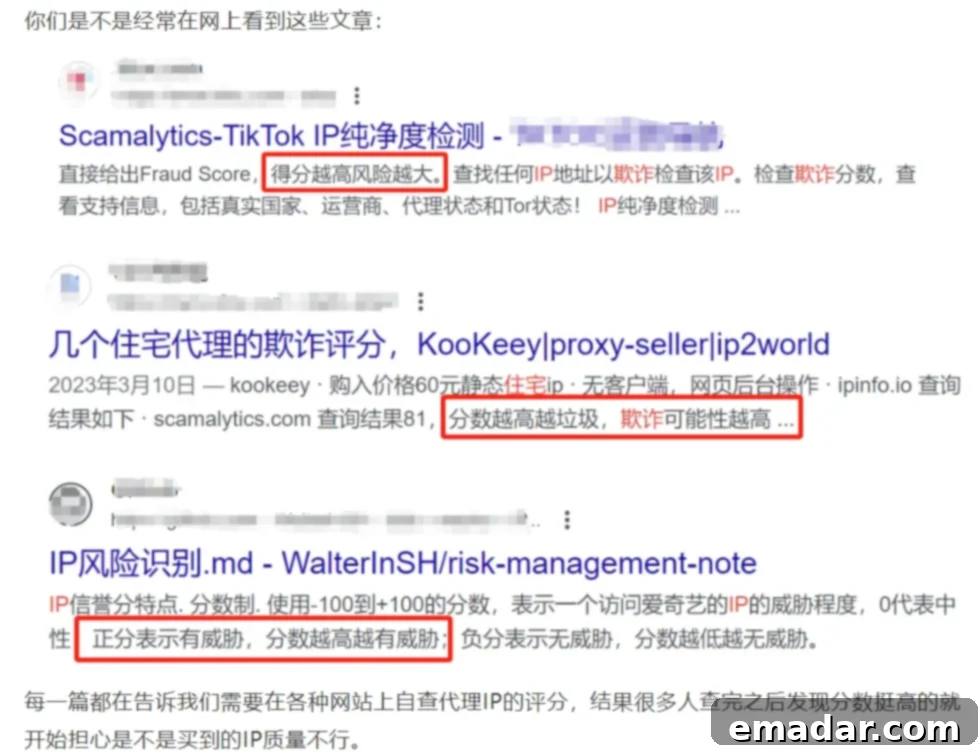
The digital realm offers unprecedented opportunities, yet it also presents a maze of information where distinguishing reliable sources from misleading ones can be a formidable challenge. When it comes to sourcing essential online tools like proxy IPs, many users naturally turn to proxy IP rating websites for guidance. These platforms often claim to offer unbiased reviews, comparisons, and rankings, promising to simplify the selection process. However, a crucial question arises: How credible are these proxy IP rating websites, and can we truly rely on their evaluations to make informed decisions?
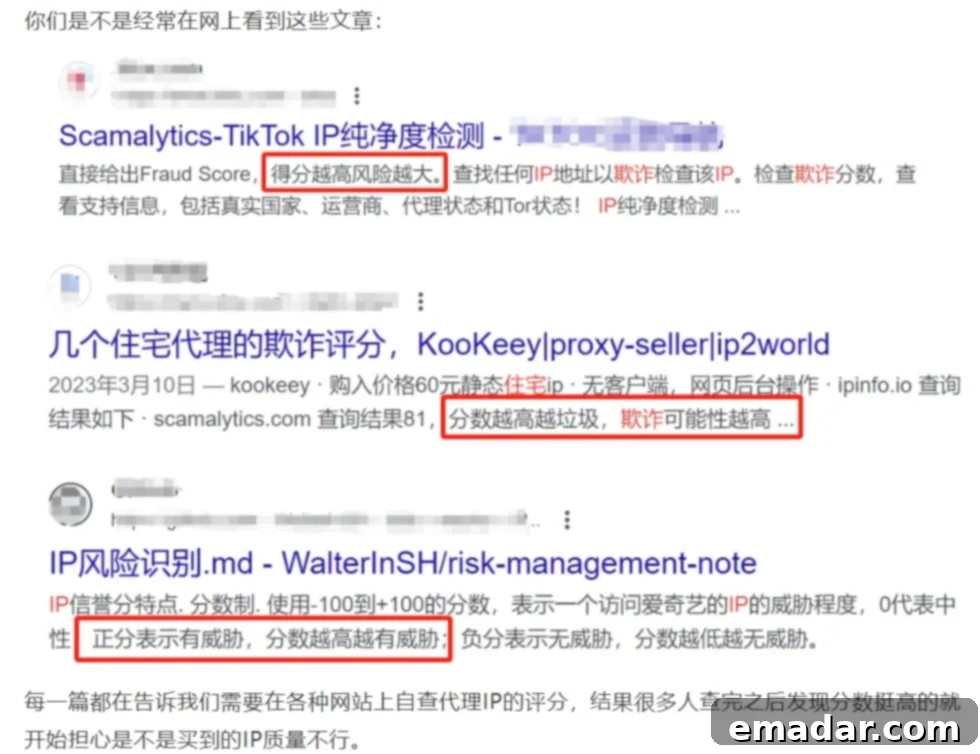
The Indispensable Role of Proxy IPs in the Modern Digital Landscape
Before delving into the credibility of rating sites, it’s vital to understand why proxy IPs have become such a cornerstone of modern internet usage. In today’s interconnected world, individuals and businesses alike rely heavily on these versatile tools for a myriad of applications. From enhancing online privacy and security to facilitating complex data operations, proxies are no longer a niche requirement but an essential component of an efficient and secure digital strategy.
For instance, e-commerce businesses leverage proxies for market research, price comparisons, and ad verification to gain a competitive edge. Web scrapers and data analysts use them to collect vast amounts of public information without being blocked or flagged, ensuring a steady flow of valuable insights. Online gamers often utilize proxies to reduce latency, access geo-restricted servers, or protect their accounts from DDoS attacks. Beyond these specific use cases, proxies serve as a fundamental layer of defense, shielding users’ true IP addresses from prying eyes, thereby preventing personal data leaks and enhancing anonymity during online browsing. They are instrumental in bypassing geographical restrictions, allowing access to content and services that might otherwise be unavailable in certain regions. Furthermore, a reliable proxy can significantly accelerate network access by routing traffic through faster servers, leading to increased productivity and a smoother online experience for various tasks.
The widespread adoption and critical importance of proxy IPs underscore the need for users to select high-quality, dependable providers. This demand naturally leads many to seek external validation and comparative data, often found on specialized rating platforms. But how much faith should one place in these digital arbiters?
Unpacking the Trustworthiness of Proxy IP Rating Websites
The question of a proxy IP rating website’s credibility does not yield a simple yes or no answer. The truth is nuanced, reflecting the diverse nature of online information sources. Some rating platforms genuinely strive for objectivity, meticulously gathering real user feedback, conducting independent technical tests, and transparently detailing their evaluation methodologies. These sites can offer valuable insights, highlighting providers with consistent performance, robust features, and excellent customer support.
However, the internet is also rife with less scrupulous actors. There are rating websites where rankings might be influenced by commercial interests, leading to biased reviews or sponsored placements masquerading as organic recommendations. Some platforms may feature fabricated user reviews, where positive comments are paid for by providers or negative feedback is suppressed. Malicious “brushing” or “click farming” practices can artificially inflate a provider’s score, making them appear more reputable than they are. Outdated information is another common pitfall; the proxy market evolves rapidly, and a rating from six months ago might no longer accurately reflect a provider’s current service quality, network stability, or pricing structure.
Moreover, affiliate marketing relationships can create a conflict of interest, as rating sites often earn commissions for directing traffic and sign-ups to specific proxy providers. While affiliate marketing itself is a legitimate business model, it can become problematic if it compromises the integrity of reviews and rankings, pushing users towards providers that offer higher payouts rather than genuinely superior services. This complex interplay of genuine user experiences, technical evaluations, commercial motivations, and potential manipulation means that users must approach these rating sites with a healthy dose of skepticism and critical discernment.
Beyond the Ratings: A Holistic Approach to Choosing a Proxy Provider
Given the inherent complexities and potential pitfalls of relying solely on proxy IP rating websites, it becomes imperative to adopt a more comprehensive and multi-faceted approach when selecting a proxy service provider. Rating sites can serve as a useful starting point, offering a quick overview of the market and potential candidates, but they should never be the sole determinant of your choice. A thorough evaluation requires delving into several critical factors:
1. Provider Reputation and History: Look beyond immediate ratings. Research the provider’s track record, how long they’ve been in business, and their overall standing in the industry. Search for independent reviews on forums, social media platforms, and tech communities where genuine users share their experiences. A long-standing provider with a consistently positive reputation often indicates reliability and trustworthiness.
2. Technical Specifications and Performance: This is paramount. Investigate the types of proxies offered (residential, datacenter, mobile, rotating, static), the number and diversity of available geo-locations, and the frequency of IP refresh rates. Crucially, scrutinize their claims regarding speed, latency, and uptime guarantees. Look for providers that offer a Service Level Agreement (SLA) for uptime. If possible, take advantage of free trials or money-back guarantees to personally test the proxy speeds and stability for your specific use cases.
3. Security and Privacy Features: A key reason for using proxies is enhanced security and privacy. Ensure the provider has a strict no-log policy, meaning they do not store records of your online activities. Check for robust encryption protocols and features like DNS leak protection or WebRTC leak protection to safeguard your true IP address from accidental exposure. Transparency in their privacy policy is a non-negotiable aspect.
4. Customer Support: Reliable and responsive customer support can be a lifesaver when you encounter issues. Evaluate their support channels (live chat, email, phone), availability (24/7 or specific hours), and the quality of their knowledge base or FAQ section. A provider that offers quick, knowledgeable assistance demonstrates a commitment to user satisfaction.
5. Pricing Models and Scalability: Compare pricing structures – hourly, daily, monthly, or bandwidth-based. Look for transparent pricing without hidden fees. Consider whether the provider offers flexible plans that can scale with your needs, from individual use to large-scale business operations. A clear refund policy is also a good indicator of a trustworthy service.
6. Use Case Compatibility: Not all proxies are created equal for every task. Ensure the provider’s services are optimized for your specific requirements, whether it’s web scraping, brand protection, SEO monitoring, ad verification, gaming, or general anonymous browsing. Some providers specialize in certain areas, offering tailored solutions that perform better for those specific tasks.
By diligently combining insights from rating websites with your own thorough investigation into these critical areas, you can significantly reduce the risk of choosing an unreliable proxy provider and instead invest in a service that truly meets your expectations and secures your digital operations.
Introducing IPFLY: A Benchmark for High-Quality Proxy Services
In a landscape where reliability and performance are paramount, providers like IPFLY stand out as leaders in the proxy service domain. IPFLY distinguishes itself through its advanced IP control mechanisms and a network built entirely on self-owned and managed servers. This commitment to owning and operating their infrastructure provides a significant advantage, ensuring superior quality, stability, and control over their proxy offerings.
IPFLY’s architecture is designed to support a wide array of business needs, offering customized proxy solutions that seamlessly adapt to various operational demands. Whether your goal is to overcome stringent network access restrictions, safeguard sensitive data during online activities, or dramatically boost the efficiency of your web-based operations, IPFLY provides the robust framework necessary for success. Their focus on high-quality service translates into consistent uptime, blazing-fast speeds, and a diverse pool of clean IPs, all critical factors for maintaining smooth and uninterrupted online functionality. By prioritizing cutting-edge technology and a user-centric approach, IPFLY aims to fulfill all your online requirements, providing a reliable and secure gateway to the digital world.
Conclusion: Navigating the Proxy Landscape with Confidence
In summary, while proxy IP rating websites can offer a convenient starting point for discovering potential service providers, they should be treated as one data point within a broader, more rigorous evaluation process. True confidence in your proxy choice comes from thorough due diligence, encompassing reputation research, technical performance testing, security analysis, and a clear understanding of your own specific needs. By adopting this holistic approach, you can filter out misleading information and identify truly dependable partners in your online endeavors. Opting for a top-tier, trustworthy provider like IPFLY ensures that your network activities are not only convenient and efficient but also secure and reliable, ultimately enhancing your entire digital experience.