
In recent years, cross-border e-commerce has grown rapidly and become a major channel for Chinese companies and individual entrepreneurs to enter overseas markets. From Amazon and TikTok Shop to Shopee and independent sites, more sellers are reaching global consumers directly through digital channels and achieving cross-regional business growth. However, as competition intensifies, the industry has moved beyond the early “open a store and list products to get orders” stage into a mature phase that demands systematic cross-border operations. For newcomers who want to succeed, the crucial question is no longer whether to enter the market, but how to build a complete operations system around market demand, product selection strategy, traffic acquisition, and overseas social media management. Early-stage overseas market research is also vital, because it directly affects platform choice and business direction.
Preparations before entering cross-border e-commerce
One common mistake among beginners is rushing to open a store while neglecting planning. Successful cross-border projects typically complete extensive preparation before official operations begin.
First, define your target market. Consumer habits, product needs, and competitive landscapes differ significantly across countries and regions. For example, U.S. consumers often emphasize brand reputation and product reviews, while Southeast Asian shoppers may prioritize price and promotions. Deep insight into target users is essential to identify products that truly meet market demand. During market research, teams often monitor local e-commerce platforms, social media trends, and competitor activity, so establishing a stable network access environment becomes part of the preparation work.
Second, realistically assess your resources. Although cross-border e-commerce lowers the barrier to entry, it still requires investment in sourcing, logistics, marketing, and operations. Individual sellers are advised to start with a single market and platform, run small-scale tests to validate demand, and then scale gradually. If you plan to operate across multiple regions, run ads, or carry out overseas social media management later, plan the necessary network resources and operational environment in advance.
Finally, clarify your development direction. Do you aim to build a long-term brand or to target niche segments for quick wins? Different goals require different strategies. Cross-border business achieves stable growth when market selection, operational resources, and development plans align.
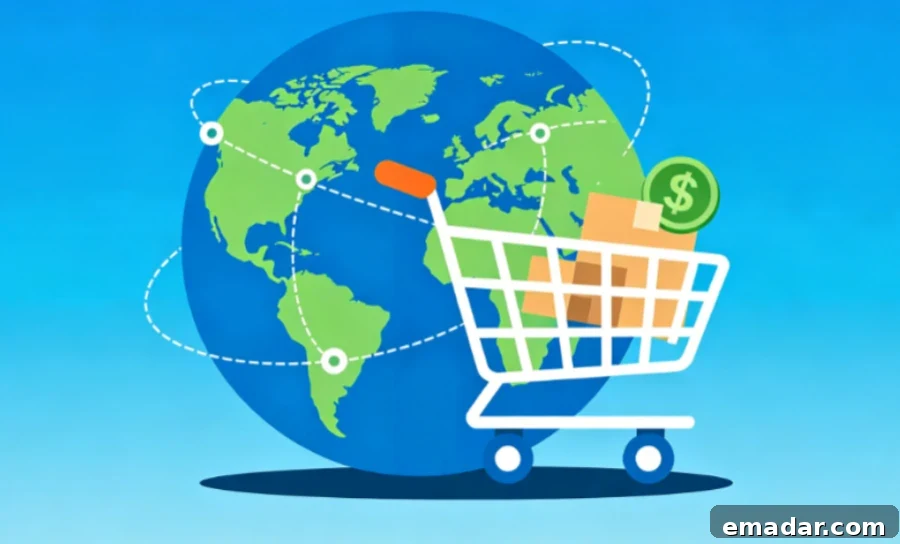
How to choose the right cross-border e-commerce platform
Different platforms have distinct traffic structures and operational logic. Choosing a platform that matches your resources and goals is often more effective than indiscriminate listing.
Amazon for long-term brand building
Amazon remains one of the largest cross-border e-commerce platforms. It offers buyers with clear purchase intent, mature traffic, and relatively high conversion rates. For sellers aiming to establish a long-term brand and with a stable supply chain, Amazon is an important option. But as competition intensifies, new sellers must invest in product differentiation and brand building rather than simply copying existing products.
TikTok Shop opens new growth avenues
With the rise of content-driven commerce, TikTok Shop has become an attractive new channel. Unlike traditional search-based shopping, TikTok relies on short videos and live streaming to convert traffic. This lowers the barrier to exposure for brands and allows many small and medium sellers to quickly enter markets through engaging content. For teams strong in content operations, TikTok Shop is an important growth gateway.
Independent sites as a core part of brand globalization
More companies are building their own independent sites. Although attracting traffic to an independent site is more challenging initially, over time it allows businesses to accumulate user assets and reduce dependence on any single platform. For companies aiming to globalize their brand, an independent site becomes a necessary part of the strategy.
Technical compliance and environment isolation in cross-border operations
As operations become more refined, sellers face issues beyond product selection and traffic. For teams managing multiple stores, platform accounts, or ad accounts, account security, environment isolation, and data management are critical to business stability.
How to reduce association risks in multi-account operations
Many cross-border companies manage multiple sites, stores, or brands. Platform risk-control systems analyze login environments, device information, network conditions, and account behavior across multiple dimensions. Establishing independent operational environments has become standard practice: environment isolation, permission control, and separate network resource planning help improve multi-account efficiency and reduce risks caused by cross-environment contamination.
Overseas social media operations require localized environments
When marketing on TikTok, Pinterest, Instagram, and other overseas social platforms, users in different countries may see different content, creative assets, and recommendation results. For teams running overseas social media, understanding real local browsing experiences is key to optimizing content strategy. More teams therefore build localized operational environments for content testing, ad verification, and market observation to collect accurate operational data.
Market research and competitor data analysis
Beyond store operations, overseas market research drives growth strategies. Before ad launches, companies often review competitors’ ad creatives, landing page experiences, and promotional changes across regions. During product planning, tracking local market trends and consumer demand shifts is essential. Stable and wide-ranging network resources improve the efficiency of data collection, ad validation, and competitor analysis, accelerating decision-making and market response.
Build a more stable global operations environment
As cross-border operations scale, many companies invest in operational infrastructure. Services that provide global network resources and connectivity support help teams optimize cross-region collaboration and market data acquisition, enabling more efficient multi-market operations and analysis.
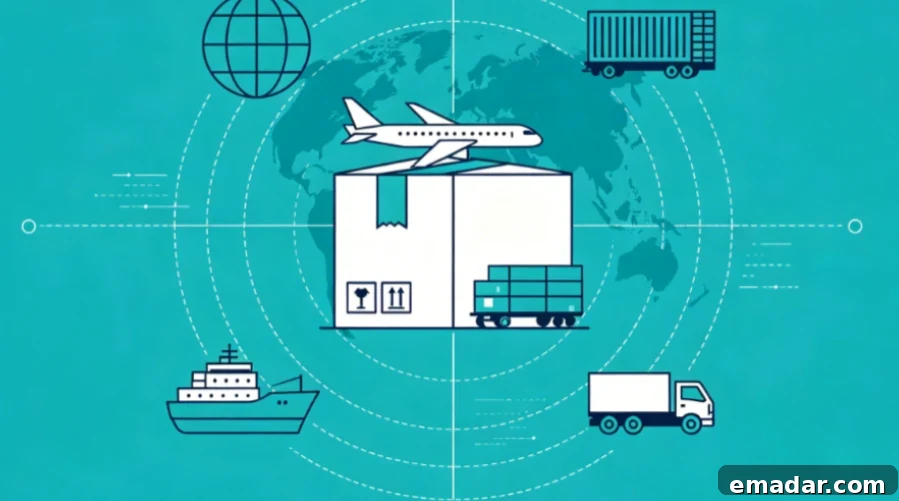
Cross-border e-commerce trends for 2026
In the coming years, the industry will continue to shift toward branding and intelligence. AI tools are increasingly applied to product selection analysis, ad creative generation, customer service, and operational optimization, significantly boosting efficiency. At the same time, consumers pay more attention to brand value and purchase experience. Compared to sellers relying solely on price, companies with brand recognition and customer loyalty will enjoy stronger competitiveness.
Emerging markets such as Southeast Asia, the Middle East, and Latin America continue to grow rapidly and deserve focused attention from companies seeking new growth opportunities.
Frequently asked questions
- Which overseas social platform should I prioritize?
Platform choice depends on business stage. TikTok suits cold starts and immediate traffic; Instagram is better for visual branding; Pinterest supports long-tail search traffic; YouTube builds long-term content assets. Start by validating a single platform model, then expand into a multi-platform matrix.
- Is an independent site necessary for cross-border e-commerce?
An independent site is not required at the very beginning, but it becomes important in the mid-to-long term. Marketplace platforms solve traffic and transactions, while an independent site focuses on user asset accumulation and brand building. Mature sellers usually adopt a “marketplace + independent site” dual-track approach to balance traffic acquisition with brand growth.
- Which capability is most often overlooked in cross-border operations?
The most overlooked abilities are not product selection or ad placement, but data analysis, content communication, and operational environment management. These skills together determine how quickly a team understands true market demand and how reliably it can operate across multiple markets and accounts.
- How long does it take to validate a cross-border project?
A typical project moves through a 0–30 day market testing phase, a 30–90 day model-building phase, and a post-90-day scaling phase. If stable order patterns do not appear within 90 days, the market or product choice may need adjustment rather than only optimizing operations.
There is no single correct way to do cross-border e-commerce. Regardless of platform, the core logic revolves around market demand, product competitiveness, supply chain efficiency, and traffic acquisition. For beginners, rather than chasing short-term viral products, it is wiser to develop systematic operational thinking and progressively build advantages through market research, product planning, and brand development.
If you are planning an overseas expansion, consider exploring global network resource solutions to support market research, store operations, ad management, and data analysis—helping provide a more stable connection environment for these scenarios and offering trial opportunities.