
As you navigate the vast expanse of the internet or engage with various international applications, terms like “IPv6 network,” “IPv6 compatible,” and “IPv6 test” have likely crossed your path. While many understand IPv6 as the “next-generation internet protocol,” there’s often a lingering uncertainty about whether their own connection truly utilizes it. Dispelling this uncertainty is remarkably straightforward; a simple “IPv6 test” can provide a definitive answer.
Understanding IPv6: The Foundation of the Modern Internet and Its Growing Importance
To fully grasp IPv6, we must first revisit the fundamental concept of an “IP address.” In essence, every device connected to the internet – be it a computer, smartphone, smart TV, or a server – requires a unique IP address (Internet Protocol Address) to identify itself. Think of it as a digital street address in the vast online world. Currently, two primary versions of these addresses dominate: IPv4 and IPv6.
- IPv4: This is the older, more established address format, typically appearing as a sequence of four numbers separated by dots, such as
192.168.1.1. Globally, IPv4 provides approximately 4.3 billion unique addresses. - IPv6: Representing the new frontier of internet addressing, IPv6 addresses are much longer and more complex, for instance,
2409:8a44:1234:abcd::1. Crucially, IPv6 offers an astronomical number of addresses – roughly 3.4 x 10³⁸, which is essentially limitless for the foreseeable future.
The transition from IPv4 to IPv6 is driven by an undeniable reality: IPv4 addresses are rapidly depleting. With billions of new devices coming online annually, from IoT gadgets to smart home appliances, the finite pool of IPv4 addresses simply cannot keep pace. IPv6 not only resolves this critical “address exhaustion” problem but also introduces significant enhancements. It boasts a more streamlined routing process, leading to potentially faster data transmission, and incorporates advanced security features like IPsec as a native component, offering a more secure communication framework right out of the box.
The shift towards IPv6 is not just a theoretical concept; it’s a global imperative. Major technology giants and popular online platforms such as Google, YouTube, Facebook, and TikTok have already embraced and fully support IPv6. Governments and telecommunication providers worldwide are actively spearheading its deployment. In particular, countries like China are accelerating comprehensive IPv6 adoption, with all three major network operators having enabled IPv6 support across their infrastructure. This widespread support underscores IPv6’s pivotal role in supporting the ever-expanding and evolving digital landscape.
The Critical Need for an IPv6 Test: Why You Should Check Your Connection
Many internet users mistakenly assume that merely being connected to the internet automatically means their network supports IPv6. This is often not the case. Your network environment might still be operating in an IPv4-only state, even if your Internet Service Provider (ISP) claims to be IPv6-ready. Conducting an IPv6 test is vital for several compelling reasons:
- Verify Genuine IPv6 Network Support: ISPs might advertise “IPv6-ready” services, but behind the scenes, your traffic could still be routed through IPv4 Network Address Translation (NAT). An IPv6 test reveals the true nature of your connection, ensuring you’re actually utilizing the newer protocol. This verification is crucial for anyone looking to leverage the full benefits of IPv6.
- Enhance Cross-Border Access and Network Acceleration: For users frequently accessing international websites or services, an IPv6 connection can offer a distinct advantage. IPv6 typically facilitates a shorter, more direct routing path, bypassing the often congested IPv4 routes. This can translate to noticeably faster, more stable, and more reliable access to global content and applications, improving user experience significantly.
- Boost Account Isolation and Anti-Detection Measures: For professionals engaged in cross-border e-commerce, TikTok live streaming, or managing multiple accounts on international social media platforms, IPv6 proxies provide a powerful tool. They can more effectively simulate authentic residential network environments, minimizing the risk of account association, detection, and subsequent banning. This “cleaner” IP environment is essential for maintaining operational security and longevity.
- Strengthen Enterprise Network Security Audits: From a corporate perspective, conducting regular IPv6 tests is crucial for security. It helps to confirm whether enterprise nodes are inadvertently exposing IPv6 addresses, which, if not properly secured and monitored, could create unforeseen security vulnerabilities and potential entry points for malicious actors. Proactive testing allows organizations to maintain a robust security posture.
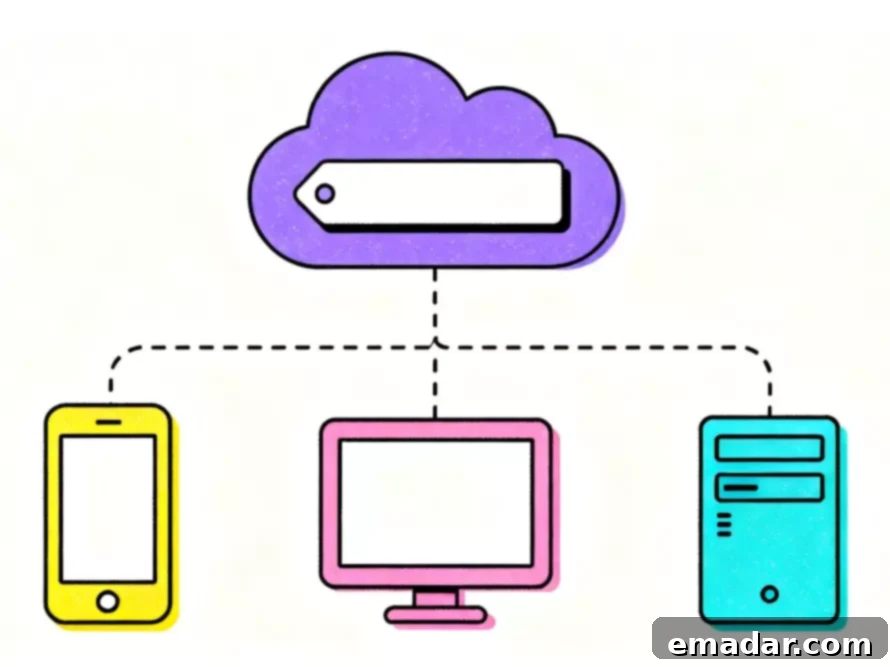
Comprehensive Methods: How to Detect if Your Network is IPv6-Enabled
Determining your network’s IPv6 status is a straightforward process, and there are several reliable methods you can choose from based on your preference and technical comfort level. Here are the most commonly used IPv6 detection methods:
① Utilize Online IPv6 Test Websites
The most convenient and user-friendly approach is to use dedicated IPv6 test websites. A quick search on your preferred search engine for terms like “IPv6 test,” “check my IPv6,” or “what is my IP” will yield numerous results. These websites are designed to automatically detect and display your network configuration.
Upon visiting such a site, the system typically performs an automated check and presents you with information including:
- Your current IPv4 address
- Your current IPv6 address (if detected)
- Your overall IPv6 support level (e.g., a score like “10/10” indicating full support, or a “no” if not supported)
If you see a clear message stating something like “Your IPv6 connection appears to be working” or your IPv6 address is displayed, it confirms that IPv6 is successfully enabled on your network. This method requires no special software or technical expertise and provides an immediate snapshot of your connection.
② Command Line Detection for Advanced Users
For users who prefer a more in-depth or direct verification, the command line interface offers a powerful way to inspect your system’s network configuration and check for IPv6 addresses.
On Windows Systems
Open the Command Prompt (CMD) by typing “cmd” into the Windows search bar and pressing Enter. Once the black command window appears, type the following command and press Enter:
ipconfig
In the extensive output that follows, carefully look for a section labeled “IPv6 Address” or “Link-local IPv6 Address.” If you find an address formatted similarly to 2409:8a44:xxxx:xxxx:: (where ‘x’ represents hexadecimal digits), it indicates that your device has IPv6 enabled and is assigned an IPv6 address.
On macOS or Linux Systems
Open the Terminal application (which can usually be found in Utilities on macOS or by searching for “Terminal” on Linux distributions). Once the terminal window is open, type the following command and press Enter:
ifconfig
Similar to Windows, the output will list your network interfaces. Look for fields or lines that contain “inet6“. The addresses listed next to “inet6” are your device’s IPv6 addresses. Their presence confirms IPv6 functionality.
③ Router-Level IPv6 Configuration Check
For users with a home network, your router plays a crucial role in enabling or disabling IPv6. You can check its status and settings directly through its administrative interface. To do this:
- Access your Router’s Admin Panel: Open a web browser and type your router’s default gateway IP address into the address bar. Common default IPs include
192.168.1.1,192.168.0.1, or192.168.1.254. You’ll typically be prompted for a username and password (often found on a sticker on the router itself, or in its manual). - Navigate to WAN Status or Internet Settings: Once logged in, look for sections like “WAN Status,” “Internet,” “Network,” or “IPv6 Settings.” This is where your router receives its public IP addresses from your ISP.
- Verify IPv6 Address Assignment: Within these sections, check if your router has been assigned an IPv6 address for its Wide Area Network (WAN) port. The presence of an IPv6 address here signifies that your ISP is providing IPv6 connectivity to your router.
- Enable IPv6 Support (If Needed): If your ISP supports IPv6 but your router isn’t showing an IPv6 address, it’s possible that IPv6 functionality is simply disabled in your router’s settings. Look for an “IPv6 Support” or “IPv6 Enable” toggle switch within the router’s configuration and activate it. After saving changes, a reboot of the router might be necessary for the settings to take effect.
What to Do If Your IPv6 Test Shows “Not Supported”
It’s quite common for an initial IPv6 test to indicate a lack of support, so there’s no need for immediate concern. This situation typically arises from a few common issues, each with a straightforward solution. Understanding these can help you quickly enable IPv6 connectivity:
| Common Reason | Effective Solution |
| Your Internet Service Provider (ISP) has not yet assigned an IPv6 address to your connection. | Contact your broadband customer service and specifically request the activation of IPv6 functionality for your account. Many ISPs offer this as a free upgrade. |
| Your router’s IPv6 support is currently disabled in its settings. | Log in to your router’s administrative interface (usually via a web browser), navigate to the network or internet settings, and enable the “IPv6 Support” option. Remember to save your changes and potentially reboot the router. |
| Your operating system or web browser might be outdated or not fully compatible with IPv6. | Ensure your operating system (Windows, macOS, Linux) and your web browser (Chrome, Firefox, Edge, Safari) are updated to their latest versions, as this often includes improved IPv6 handling. |
| You are using an IPv4-only proxy service or VPN, which is overriding your native network settings. | Switch to a reputable proxy or VPN service that explicitly supports and offers IPv6 connections, such as residential IP proxies that provide native IPv6 addresses. |
The Evolving Relationship Between IPv6 and Proxy IPs
The advent and widespread adoption of IPv6 have profoundly reshaped the landscape of the proxy industry, particularly for those involved in cross-border business operations or multi-account management. Historically, traditional IPv4 proxy resources have been characterized by their scarcity, higher costs, and increased susceptibility to detection and blacklisting by various online platforms. IPv6, with its virtually infinite address space, fundamentally alters this dynamic.
IPv6 addresses are abundant, offering a fresh, often “cleaner” pool of IPs that can provide a more stable and effective environment for network isolation. This abundance helps circumvent the issues of IP reuse and blacklisting that plague many IPv4 proxies. For businesses requiring high-quality, undetectable IP solutions, IPv6 proxies represent a significant leap forward.
In this evolving environment, **IPFLY** has emerged as a leading proxy service provider, recognized for its robust offerings. IPFLY delivers comprehensive proxy services spanning over 190 countries and regions, boasting a vast pool of over 90 million high-quality IP resources. Their diverse range of proxy types is tailored to meet various operational needs:
- Static Residential IPs: Ideal for long-term, stable logins and management of critical accounts, such as e-commerce stores, advertising accounts, or social media profiles where consistent identity is paramount. These IPs provide a stable and legitimate online presence.
- Dynamic Residential IPs: Designed for scenarios requiring frequent IP rotation, making them perfect for data scraping, market research, ad verification, and operational testing where constantly changing IPs are beneficial for avoiding detection and gathering diverse data.
- Data Center Proxies: Known for their exceptional speed and low latency, these proxies are best suited for high-volume, automated tasks where performance is critical, such as large-scale data processing, content delivery, and rapid website access.
Crucially, IPFLY has fully integrated IPv6 proxy links into its service offerings. This allows cross-border users to securely and efficiently access overseas nodes on platforms like TikTok, Facebook, Amazon, and Shopify. By utilizing IPFLY’s IPv6 proxies, businesses can achieve significantly higher success rates in their online operations and substantially reduce the risk of account bans or security flags, ensuring smoother, safer, and more effective international engagement.
IPv6 Test: Frequently Asked Questions (FAQ)
Navigating the intricacies of IPv6 can lead to several common questions. Here are answers to some of the most frequently asked queries regarding IPv6 testing and usage:
① What does an IPv6 test result showing “partial support” mean?
“Partial support” indicates that while your network infrastructure generally supports IPv6, certain aspects of your internet usage might still be relying on IPv4. This could be due to your DNS server configuration, specific websites you visit that are not fully IPv6-enabled, or even your operating system and browser’s prioritization of IPv4 for some requests. To potentially improve full IPv6 adoption, you can try changing your DNS servers to those that fully support IPv6, such as Google Public DNS (2001:4860:4860::8888 and 2001:4860:4860::8844) or Cloudflare DNS (2606:4700:4700::1111 and 2606:4700:4700::1001). Also, ensure your operating system and browser are up to date.
② Do mobile data networks (4G/5G) support IPv6?
Yes, in most cases. Leading mobile carriers worldwide, including major providers like China Mobile, China Telecom, and China Unicom, have been at the forefront of IPv6 deployment. Their 4G and 5G networks overwhelmingly support IPv6, often as the primary protocol. You can easily confirm this by performing an IPv6 test while connected to your mobile data network.
③ Will IPv6 affect my internet speed?
In theory, IPv6 should lead to faster internet speeds. This is because IPv6 features a more efficient routing mechanism, eliminating the need for NAT and allowing for more direct data transmission paths, potentially resulting in fewer hops and lower latency. However, the actual impact on your surfing speed depends on several factors, including your specific ISP’s IPv6 implementation quality, the level of IPv6 support on the websites and services you access, and the overall network congestion in your region. In many scenarios, particularly for international traffic, IPv6 can indeed provide a noticeable speed boost.
④ Can IPv6 proxies enhance proxy “purity” or “cleanliness”?
Absolutely. IPv6 residential proxies, by their nature, are often sourced from real user networks with unique, fresh addresses. The sheer volume of available IPv6 addresses means that individual IPs are reused far less frequently than their IPv4 counterparts. This lower reuse rate significantly contributes to higher “purity” or “cleanliness,” making IPv6 proxies less likely to be blacklisted or flagged by online platforms’ anti-bot and fraud detection systems. This enhanced purity makes them invaluable for sensitive tasks like account creation, management, and unhindered data collection.
Conclusion: Embracing the Future with IPv6
IPv6 is not merely an optional upgrade; it represents the inevitable and essential evolution of the internet. Beyond simply offering an expanded address space and improved efficiency, IPv6 serves as a foundational pillar for global interconnectivity, secure communication, and the intricate demands of cross-border business. Its widespread adoption is critical for supporting the continued growth of the digital economy and the ever-increasing number of connected devices worldwide.
By conducting a straightforward IPv6 test, you can gain a clear understanding of whether your current network environment operates within this next-generation protocol. For professionals immersed in cross-border trade, dynamic TikTok streaming, or international e-commerce, integrating IPv6 into your operations is a strategic advantage. Services like **IPFLY**, which offer high-quality overseas proxy solutions with robust IPv6 support, are indispensable tools. They empower you to manage your accounts and global business endeavors with greater stability, enhanced speed, and superior security, ensuring compliance and minimizing operational risks.
The internet of tomorrow is unequivocally built on IPv6. Early awareness, proactive testing, and timely adoption of IPv6 technologies are not just beneficial; they are crucial steps towards securing a competitive edge in the rapidly advancing digital landscape. Don’t be left behind; embrace the future of the internet today.
Why Choose IPFLY for Your Proxy Solutions?
IPFLY stands out as a premier provider due to its commitment to technical excellence and user-centric solutions, designed to help users efficiently configure and utilize proxy IPs:
1. Self-Built Global Server Network: IPFLY operates its own extensive network of servers, strategically located across major cities worldwide. This proprietary infrastructure ensures an exceptionally high purity level for its IP resources, actively preventing the common issue of using “blacklisted” or compromised IPs. By controlling the entire network, IPFLY guarantees reliability and superior performance.
2. Intelligent Dynamic IP Allocation Mechanism: To further enhance user privacy and operational security, IPFLY employs an advanced dynamic IP allocation system. This mechanism automatically rotates IPs at specified intervals, significantly reducing the risks associated with prolonged use of a single IP address. This mimics natural user behavior, making it extremely difficult for anti-bot systems to detect and block your activities.
3. Multi-Layered IP Filtering Powered by Big Data: Leveraging sophisticated big data algorithms, IPFLY implements a multi-layered filtering process. This rigorous screening identifies and eliminates low-quality or problematic IPs from its pool, ensuring that users are consistently provided with high-performing and reliable proxy connections. This proactive approach dramatically increases the success rate of proxy links and optimizes overall operational efficiency.
👉Choose IPFLY for peace of mind and superior performance. Claim your exclusive discount now and get access to premium IP services!