
Fixing the “Gemini 3 is Not Available in Your Region” Error
Many users attempting to access Google Gemini 3 have encountered a frustrating message: “Gemini 3 is not supported in your region.” This issue isn’t related to your account or device but is directly linked to your access location, IP type, and service region authorization. This article explains the reasons behind this error and provides practical solutions for both individuals and businesses to access Gemini 3 reliably.
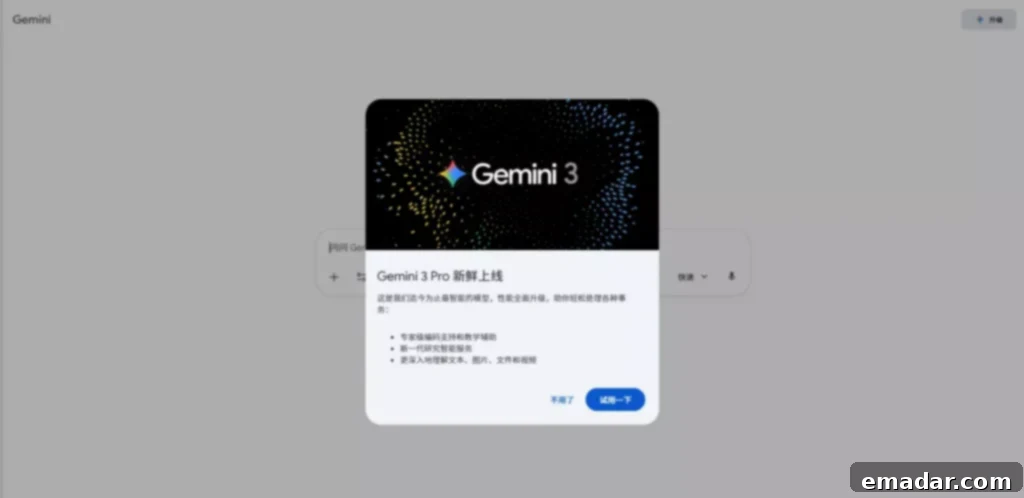
Why Does the “Gemini 3 is Not Available in Your Region” Error Occur?
1. Limited Global Availability
Gemini 3 isn’t launched simultaneously in all countries and regions. Some areas are restricted due to policies, copyright regulations, risk control measures, or other factors, making them unable to access the service by default. The rollout strategy prioritizes specific regions before broader releases.
2. Incorrectly Identified Access Environment
Even if you reside in a supported region, the system might block your access if your network’s exit IP address belongs to an unsupported area. This happens when the system identifies your IP address as originating from a location where Gemini 3 is not yet available.
Common scenarios include:
- Using a shared or rotating network exit (dynamic IP addresses that change frequently).
- Your IP address has excessive historical data or has been flagged for suspicious activity, leading to incorrect geolocation.
- Using a “mixed-source” IP address rather than a “native” IP address from your actual location. This often happens when using VPNs or proxies that don’t provide IP addresses that accurately reflect your geographical location.
3. Restrictions on Data Center IP Addresses
To ensure security and fair usage, Gemini 3 might impose additional access controls on specific data center IP addresses. Consequently, using a standard data center IP address could trigger the regional restriction message. Many cloud providers offer IP addresses that are easily identifiable as belonging to data centers, and these are often flagged.
The core issue isn’t about your actions, but rather the IP type and the region it’s associated with.
How to Fix the “Gemini 3 is Not Available in Your Region” Error
The most common solution is to use a foreign proxy IP to create a “correct usage environment” that mimics a user from a supported region. This involves masking your actual IP address and routing your traffic through a server located in a region where Gemini 3 is available.
1. Choose a Real and Stable Network Exit from a Target Region
Ensure that your network exit for accessing Gemini 3 is located in an officially supported region, such as the United States, the United Kingdom, or Canada. Selecting the right location is paramount for successful access.
Two IP types often confuse users:
Data Center IP Addresses
- Lower cost
- Centralized origin
- Easily identified by Gemini 3 as programmatic access, leading to access restrictions. Due to their concentrated nature and association with automated systems, data center IP addresses are often blocked.
Residential IP Addresses
- Originate from genuine residential networks
- More natural regional characteristics
- Better align with Gemini 3’s expectations for ordinary user access. Residential proxy IP addresses are generally more reliable when resolving the “Gemini 3 is not supported in your region” error. They provide a more authentic online presence, reducing the chances of detection and blocking.
2. Maintain a Consistent Access Environment
Frequently switching network exits or changing regions can trigger Gemini 3’s region verification mechanisms and raise red flags. This can lead to temporary or permanent access restrictions. Consistency is key to maintaining a stable and trusted connection.
Recommendations:
- Use a single, stable IP region.
- Maintain a consistent environment on the same device.
- Avoid rapidly switching IP addresses.
3. Use a Proxy IP Service with Clear and Controllable Origins
The quality of the proxy IP significantly impacts your success rate. Some teams use services like IPFLY, which offers static residential proxies, dynamic residential proxies, and data center proxies. Their clear origins and stability make the access environment resemble that of a real user in the target region, reducing access restrictions. These services provide a range of options, allowing you to choose the type of proxy that best suits your needs and usage patterns.
The core of this method isn’t the tool itself but building a network environment recognized by the platform. Establishing trust with the platform is crucial for consistent and reliable access.
Real-World Scenarios: Choosing the Right Foreign Proxy IP for Different Needs
1. Individuals Who Want to Experience Gemini 3
Requirements:
- Stable network exit
- Correct region
- No need for frequent switching
Recommendation:
- Single-region fixed residential exit (stable and high success rate). This provides a consistent and reliable connection, minimizing the risk of being blocked.
2. Teams Using Gemini 3 for Content Production or Testing
Requirements:
- Multi-person collaboration
- Consistent environment
- High access efficiency
Recommendations:
- Use a fixed exit from the same region.
- Have the management end uniformly allocate the access environment. For example, some teams use IPFLY’s static residential proxies to unify the exit, preventing the system from blocking multi-person collaboration due to inconsistent access regions. This ensures that all team members appear to be accessing Gemini 3 from the same location, maintaining consistency and reducing the risk of detection.
3. Developers or Businesses Requiring Long-Term Stable Access
Requirements:
- High availability
- Controllable access source
- Configurable API permissions
Recommendations:
- Highly controllable fixed residential proxies or highly stable data center proxies.
- Multi-region backup exits.
- Access logs are traceable and the source is verifiable. This allows for monitoring and troubleshooting, ensuring reliable access and compliance with usage policies.
Common Misconceptions About Gemini 3 Access Failures
1. Thinking that Changing Regions Always Solves the Problem
If the IP address is flagged as shared, used on a large scale, or a risky source, it will still fail to access normally even if the region is correct. The reputation of the IP address is just as important as its location.
2. Ignoring IP “Quality”
Gemini 3 has a high recognition of “natural user characteristics,” and relying solely on the region cannot solve all problems. Factors like IP age, history, and association with spam or bot activity can all impact its quality.
3. Frequently Switching IP Addresses
This will trigger additional system risk controls and be flagged as abnormal access. Frequent changes in IP address are a strong indicator of suspicious activity.
Choosing the Right Network Exit is More Important Than the Action Itself
The essence of “Gemini 3 is not supported in your region” is a mismatch between the access region and IP type. You can naturally use Gemini 3 by building a stable, region-correct, and clearly sourced network exit. By focusing on these key aspects, you can overcome regional restrictions and enjoy seamless access to Gemini 3.
In actual cases, many teams use IPFLY’s foreign residential proxies to adjust the access environment to be closer to Gemini 3’s supported regions, reduce access restrictions, and enhance account stability. This method doesn’t involve any hard selling but improves the success rate from the access environment itself. By creating a more authentic and trustworthy online presence, you can significantly improve your chances of accessing Gemini 3 without issues.
Why recommend IPFLY’s solutions?
IPFLY helps users configure proxy IPs efficiently through the following technical advantages:
1. Self-built server network: Covering major cities around the world, the IP resource purity is high, avoiding “blacklist” problems. IPFLY’s extensive network ensures a wide range of clean and reliable IP addresses, reducing the risk of encountering blocked or blacklisted IPs.
2. Dynamic IP allocation mechanism: Automatically rotates IP addresses, reducing the risk of using the same address for a long time. This dynamic approach helps maintain anonymity and prevents your IP address from being flagged for suspicious activity.
3. Multi-level IP filtering: Eliminates low-quality IPs based on big data algorithms, ensuring the success rate of the proxy link. IPFLY’s rigorous filtering process ensures that only the highest quality IP addresses are used, minimizing the chances of connection errors or access restrictions.
👉Choose IPFLY for more peace of mind, claim your discount now and get high-quality IPs