
In the vast expanse of the digital realm, where data flows like rivers through interconnected networks, platforms such as Kick Azz Torrents have captured the imagination of users seeking efficient ways to share and access large files. This phenomenon isn’t merely about downloading content; it’s a gateway into understanding the fascinating world of Peer-to-Peer (P2P) technology – a system inspired by the swarm intelligence found in nature and optimized through ingenious algorithms. By delving into the underlying principles of Kick Azz Torrents, we can uncover how such platforms leverage collective computational power to democratize information exchange, much like an ant colony collaborates to accomplish complex tasks. This article will thoroughly explore the scientific foundations, operational intricacies, and broader implications of torrent-based systems, offering insights that bridge computer science with real-world applications and shedding light on their profound digital impact.
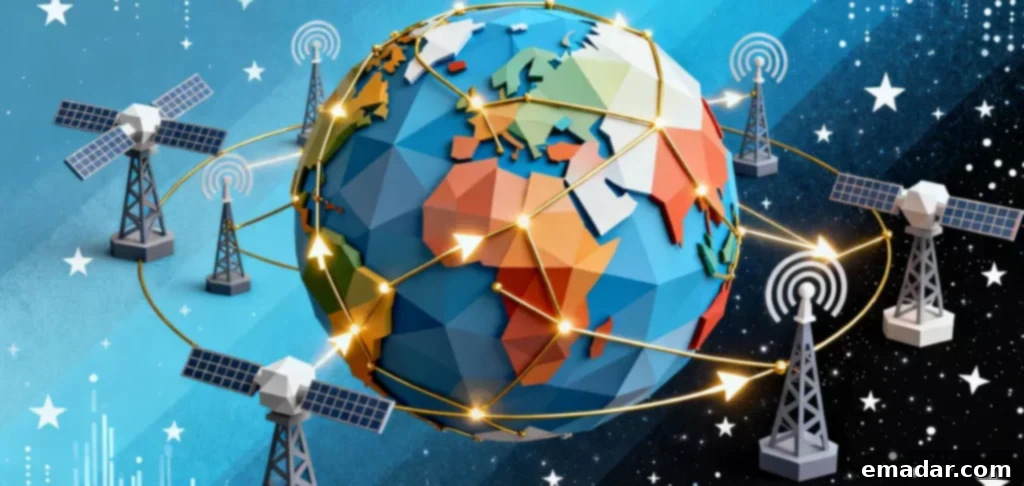
The Essence of Torrent Technology: A Swarm Intelligence Approach to Decentralized File Sharing
At the very heart of Kick Azz Torrents lies the BitTorrent protocol, a groundbreaking invention that revolutionized file sharing from a centralized model to a decentralized one. Imagine traditional downloading as a single pipeline delivering water from a reservoir, constrained by the source’s bandwidth. In stark contrast, torrents operate like a vast network of interconnected pipes, where every participant contributes to the flow. This P2P architecture, rooted deeply in the principles of distributed computing, enables users to simultaneously download file fragments from multiple sources, exponentially accelerating the download process and enhancing the overall efficiency of data transfer.
Scientifically, this mechanism draws heavily from the concept of Swarm Intelligence – a biological paradigm where individual agents (like bees in a hive or ants in a colony) follow simple rules, leading to emergent, highly efficient collective behaviors. In the torrent ecosystem, each “peer” (a user’s device) acts as both a downloader and an uploader. These peers are guided by sophisticated algorithms that prioritize the transfer of rare file fragments, ensuring a balanced and efficient distribution across the entire swarm. The torrent file itself is a lightweight metadata container. It doesn’t contain the actual content but rather critical information: a cryptographically secure hash value for integrity checking and the address of a tracker server (or a Distributed Hash Table for magnet links) used to coordinate peers within the swarm. This hash, often derived from secure hashing algorithms like SHA-1 or SHA-256, verifies that downloaded fragments are consistent with the original file, preventing corruption and ensuring data fidelity, much like DNA replication ensures genetic integrity.
Platforms like Kick Azz Torrents amplify this impact by providing extensive directories of torrent links, enabling users to discover and join swarms for a vast array of content, ranging from software distributions to rich multimedia files. The result is a highly resilient ecosystem where data persists even if individual nodes disconnect, mirroring the inherent robustness and redundancy observed in natural ecosystems. This decentralized nature significantly reduces the single points of failure common in client-server models, making data access more reliable and resistant to disruption.
How Kick Azz Torrents Propels Global Data Flow: A Network Science Perspective on Digital Distribution
Delving deeper, the operational functionality of Kick Azz Torrents is fundamentally underpinned by principles of graph theory and network dynamics – mathematical fields that model connections and interactions between entities. Each torrent swarm constitutes a dynamic graph where the nodes are the participating peers, and the edges represent the ongoing data transmissions between them. The algorithms embedded within torrent clients (such as uTorrent, qBittorrent, or Transmission) meticulously select which peers to connect with, optimizing these connections based on an intricate array of factors including latency, upload speed, current bandwidth availability, and the specific file fragments a peer possesses or needs.
This peer selection process often employs sophisticated heuristic methods, similar to those found in machine learning, where the system learns and adapts over time to improve performance. Theoretically, advanced reinforcement learning techniques could be applied to further enhance peer selection, creating even more efficient and adaptive swarms. From a physics perspective, torrenting vividly embodies the principles of fluid dynamics and diffusion. Data “diffuses” throughout the network, moving from areas of high concentration (seeders who possess complete files) to areas of low concentration (leechers who are in the process of creating a full copy). The efficiency of this diffusion increases with the size of the swarm; larger swarms facilitate shorter download times through extensive parallel transfers, demonstrating properties often seen in scale-free networks, such as the internet itself, which exhibit a power-law distribution of connections.
Kick Azz Torrents, by aggregating a colossal library of files, fosters the formation of massive swarms that exemplify these laws, allowing global users to access terabytes of data without overwhelming any single server. This global reach highlights the protocol’s remarkable adaptability to diverse network conditions, from high-speed fiber optic connections in urban centers to intermittent mobile connections in remote regions. It stands as a testament to an engineering design that prioritizes resilience, ensuring the reliable dissemination of files even in bandwidth-constrained environments, making digital content accessible across geographical and technological divides.
Unlocking Efficiency and Accessibility: The Advantages of the Kick Azz Torrents Model in Modern Data Sharing
The allure of platforms like Kick Azz Torrents, when compared to traditional centralized methods, stems from its multifaceted scientific advantages, directly contributing to superior efficiency and accessibility in digital distribution. Energy efficiency is a prominent benefit: by distributing the load across countless user devices, the demand on central servers is drastically minimized, aligning perfectly with the growing imperative for sustainable computing and reducing the overall carbon footprint of digital infrastructure. Bandwidth optimization is another significant advantage; users simultaneously upload while they download, creating a symbiotic cycle that significantly reduces overall internet congestion, much like carpooling alleviates traffic jams during rush hour. This reciprocity is a cornerstone of the BitTorrent protocol’s design, incentivizing participation and ensuring the health of the swarm.
Accessibility is further enhanced through the widespread adoption of magnet links – compact Uniform Resource Identifiers (URIs) that eliminate the need for physical .torrent files. These links encode all necessary information, including the crucial cryptographic hash, in a concise, easily shareable string, often utilizing Base32 encoding to simplify the process. This innovation is akin to the utility of QR codes in the physical world, streamlining the sharing process and vastly improving portability. For educators, researchers, and scientific communities, such a system proves invaluable for disseminating massive datasets—from biological genomic sequences to astronomical images—often bypassing restrictive paywalls and fostering an environment of open science, accelerating discovery and collaboration globally.
However, the true power and resilience of this decentralized model become profoundly apparent in crisis situations, especially when traditional centralized infrastructure fails or is compromised. During widespread network outages, natural disasters, or periods of intense censorship, P2P swarms often continue to function, embodying the robust, anti-fragile spirit envisioned by the early internet dreamers. This inherent resilience ensures critical information can still flow when other channels are blocked, underscoring its potential as a vital tool for communication and data sharing in adverse conditions.
Navigating the Digital Landscape: Challenges and Security Considerations in the Torrent Ecosystem
While peer-to-peer technology offers numerous advantages, no technological paradigm is without its inherent challenges, and Kick Azz Torrents exemplifies the significant obstacles and security considerations faced by P2P networks. One of the most pervasive issues is the “freeriding problem,” where users predominantly download without contributing proportionally by uploading, thereby degrading the overall health and speed of the swarm. Game theory interprets this phenomenon as a classic “Prisoner’s Dilemma,” where individual self-interest can collectively harm the broader group’s utility. Solutions often involve client-side incentive mechanisms, such as tit-for-tat strategies that prioritize cooperative peers by granting them faster download speeds, drawing inspiration from biological evolutionary models where reciprocal altruism thrives.
Security risks are abundant and varied within the torrent ecosystem, ranging from malicious software (malware) hidden within downloaded files to the inadvertent exposure of users’ IP addresses during the peer discovery process. In this critical context, encryption technologies serve as a primary line of defense; many advanced torrent clients now offer end-to-end encryption to protect data in transit from eavesdropping and tampering. Nevertheless, IP visibility can lead to surveillance by various entities, prompting discerning users to employ privacy-enhancing tools. For instance, integrating services like residential proxies from providers such as IPFLY can effectively mask a user’s true geographical location and IP address, providing legitimate, undetectable IP addresses that blend seamlessly into natural traffic patterns, significantly boosting anonymity and security during torrenting activities.
Internet Service Providers (ISPs) implementing bandwidth throttling through deep packet inspection (DPI) represents another persistent obstacle. This ongoing “cat-and-mouse” game between users and ISPs mirrors adaptive systems in ecology, where protocols continually evolve to evade detection. Techniques like traffic obfuscation, which disguise torrent traffic to resemble standard web traffic, are developed to bypass these throttling measures, ensuring unimpeded data flow. The continuous arms race between privacy tools and detection methods highlights the dynamic and evolving nature of online security and privacy in the P2P world.
Whether you require a high standard of proxy strategy or stable, enterprise-grade services for secure and efficient operations, look no further. Visit IPFLY.net now to access professional solutions designed to meet your specific needs. Additionally, join the vibrant IPFLY Telegram community to gain unparalleled industry insights, receive tailored tips, and unlock opportunities that can significantly accelerate your business growth and digital endeavors!

Beyond File Sharing: The Broader Implications of Torrent Technology in Future Digital Collaboration
Looking ahead, the fundamental principles that underpin Kick Azz Torrents extend far beyond mere file sharing, promising to shape the future of digital collaboration and infrastructure. In the burgeoning realms of blockchain and decentralized finance (DeFi), P2P networks form the very bedrock of cryptocurrencies, where sophisticated consensus algorithms echo the coordinated efforts seen in swarm intelligence. Content Delivery Networks (CDNs) are increasingly integrating torrent-like elements into their architecture, particularly for video streaming, leveraging peer-to-peer assisted distribution to dramatically reduce latency and server load, enhancing the user experience.
From a societal perspective, these decentralized systems actively challenge concentrated control, fostering greater information equity and accessibility across the globe. Concurrently, they also provoke complex ethical debates surrounding intellectual property rights and digital ownership in an increasingly distributed environment. As quantum computing advances, bringing with it both new threats and enhanced cryptographic security, the torrent ecosystem will likely evolve to become even more robust and resilient against emerging digital threats, ensuring the longevity of decentralized data sharing.
In essence, platforms like Kick Azz Torrents serve as compelling case studies for how a seemingly simple protocol can orchestrate incredibly complex global cooperation. By understanding its profound scientific underpinnings—from its algorithmic core to its intricate network theory—users can gain a deeper appreciation for the invisible forces that shape our digital lives. This knowledge encourages us to engage more thoughtfully and responsibly with this continuously evolving and impactful digital frontier, recognizing its potential to both empower and challenge the status quo of information exchange.