
In 2026, online security is more advanced than ever. Whether you’re a casual browser or a professional running Market Research Automation, an unexpected error screen can halt your work. One of the most common and frustrating messages is: This page has been blocked by chrome.
That message often appears with technical codes like ERR_BLOCKED_BY_CLIENT or with an explicit notice that an organization policy has restricted access. As a network infrastructure specialist with 15 years’ experience, I have diagnosed thousands of these issues.
Frequently, the problem is not the website you want to visit. The block is usually triggered by local browser settings, corrupted browser metadata, or your network IP address being flagged by security systems. This guide explains how to fix the this page has been blocked by chrome error and how professional solutions such as IPFLY residential proxies can improve privacy and reduce disruptions in a professional digital workspace.
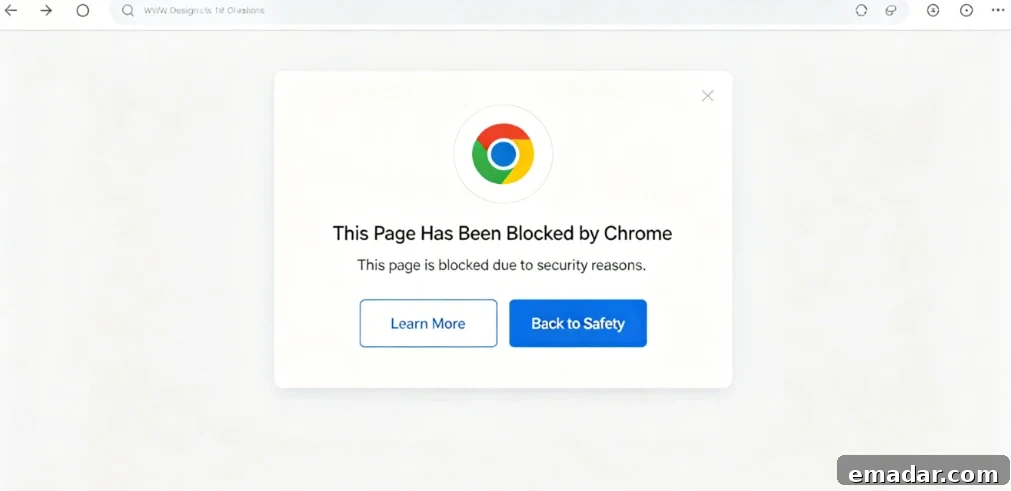
Decoding the Issue: Why “This Page Has Been Blocked by Chrome” Happens
To resolve this connectivity problem effectively, we first need to understand what prompts Chrome to intercept a request and show an error page.
1. The Technical Anatomy of the Chrome Block Page
When you load a URL, Chrome performs background checks before rendering content. The message this page has been blocked by chrome is a deliberate client-side security action.
Three main systems can trigger the block. First, Google’s Safe Browsing engine may flag the destination as malicious or phishing. Second, local browser extensions—ad blockers and privacy add-ons—can intercept requests when they detect scripts or resources that violate filtering rules. Third, enterprise-managed devices can enforce restrictions via policies such as URLBlocklist.
2. The Role of Bad Network Reputation in Chrome Errors
Browser security in 2026 heavily relies on network reputation systems. When Chrome establishes a secure connection, it evaluates your digital footprint, including IP address and browser fingerprint metadata.
If your automated tools use low-quality or shared data center IPs, security providers may mark that address block as suspicious. A low trust score creates fingerprint conflicts that can cause Chrome to reject a certificate or flag the connection as unsafe. Even when the target domain is legitimate, Chrome may block access to protect users.
3. Identifying Different Variants of the Block Message
Carefully reading the exact message helps identify the root cause.
ERR_BLOCKED_BY_CLIENT usually indicates an extension or local privacy tool blocked a script. “Your Organization Has Blocked This Page” signals an enterprise policy enforced by IT. Certificate validation failures typically point to a firewall or router interfering with the TLS handshake, leading Chrome to stop the connection.
Step-by-Step Fixes for “This Page Has Been Blocked by Chrome”
Now that the causes are clear, here are practical troubleshooting steps to restore access.
1. Auditing Extensions to Remove the Chrome Block Page
Extensions are a frequent cause of ERR_BLOCKED_BY_CLIENT, so start by checking add-ons.
- Step 1: Open a New Incognito Window via the three-dot menu and try loading the blocked site. Incognito mode disables most extensions by default.
- Step 2: If the site loads in Incognito, an extension is likely responsible. Return to a normal window, go to Settings > Extensions.
- Step 3: Disable extensions one at a time and refresh the site. When the page loads normally, you’ve identified the problematic extension. Keep it disabled, or add the site to its allowlist.
2. Clearing Corrupted Browser Metadata and Cache
Old cache or corrupted HSTS settings can conflict with updated site certificates and trigger false security warnings.
Open the Clear Browsing Data dialog (Ctrl + Shift + Delete on Windows, Cmd + Shift + Delete on Mac). Choose “All time,” check Cached images and files and Cookies, then click Clear data. This removes stale metadata that can cause Chrome to refuse connections.
3. Tweaking Google Safe Browsing and Security Levels
Chrome’s built-in protections can be too aggressive for some advanced workflows.
Go to Settings > Privacy and Security > Security. You can switch between Enhanced Protection, Standard Protection, and No Protection. If you’re confident the site is safe, temporarily move from Enhanced to Standard Protection to reduce false positives while you troubleshoot.
Enterprise Solutions: Fixing “This Page Has Been Blocked by Chrome” for Teams
In corporate environments, the block often stems from centralized policies rather than user settings.
1. Resolving the “Your Organization Has Blocked This Page” Error
Local changes won’t override enterprise policies. To find the policy causing the block, enter chrome://policy in a Chrome tab. That page lists active directives. Look for URLBlocklist or other rules that match the blocked URL, then provide that information to your IT team so they can adjust the policy.
2. Adding Exceptions to the Chrome URLBlocklist Policy
Administrators can restore access by adding allowlist exceptions in the Google Admin Console.
- Step 1: Sign in to the Google Admin Console with administrative credentials.
- Step 2: Go to Devices > Chrome > Settings > Users & browsers.
- Step 3: Find URL blocking and locate the URL allowlist field.
- Step 4: Add the exact business domain to the allowlist and save. Chrome will sync the updated policy to devices within minutes, resolving the block across the network.
3. Overcoming Internal Firewall and DNS Interference
Some corporate firewalls perform SSL inspection by intercepting certificates, which Chrome treats as a middleman attack.
Network teams should bypass SSL inspection for trusted domains or adjust firewall settings accordingly. Clearing DNS mismatches by running ipconfig /flushdns on affected machines can also resolve routing or certificate issues caused by stale DNS entries.
Elevating Network Trust: Preventing “This Page Has Been Blocked by Chrome”
While browser tweaks fix many user-level problems, the long-term solution is improving network reputation and identity.
1. Why Low-Trust IP Addresses Trigger Browser Alarms
Security systems assess requests against IP reputation. Cheap data center IP pools often host automated traffic, and when activity patterns look bot-like, security providers flag the whole range. A flagged IP combined with sensitive site protections can prompt Chrome to block access even for legitimate tasks.
2. IPFLY Residential Proxies: The Key to Browser Acceptance
Residential proxies route traffic through real consumer ISPs, which appear as normal home users to security systems. IPFLY residential nodes reduce fraud flags and preserve a high trust score, helping automated workflows access protected sites without client-side blocks.
3. Setting Up Static ISP Proxies for Permanent Stability
Stable, consistent IP identity prevents account verification flags. Static ISP proxies provide a persistent residential identity so platform security systems do not interpret frequent IP changes as potential account takeover attempts. For long-term operations, static proxies maintain environment compliance and reduce interruptions.
Case Study: Solving “This Page Has Been Blocked by Chrome” in Automation
Here is a practical example of how network improvements eliminated blocking in a professional setting.
1. Scenario: A Global Research Team Blocked on Key Sites
A market analysis firm ran automated tools through inexpensive data center IPs to collect public pricing data. Within 48 hours the tools failed with repeated this page has been blocked by chrome errors because the IPs were flagged as a bot network. The project stalled and costs rose due to repeated retries and troubleshooting.
2. The Strategy: Clean Identity Alignment Using IPFLY
The technical director switched the automation to route traffic through IPFLY’s residential ISP nodes, choosing static nodes aligned with the target geographies. Requests now looked like local home users instead of a data center pool, which removed the reputation-based flags.
3. Results and Operational Benefits
The change produced immediate improvements: connection success rates rose dramatically, block page occurrences dropped to zero, and data collection speed improved due to fewer retries. The firm completed the project ahead of schedule and reduced ongoing maintenance tied to banned IPs.
Compliance, Security, and Ethical Workspace Best Practices
Professional online operations require both technical safeguards and ethical compliance.
1. Privacy Enhancement vs. Bypassing Restrictions
When addressing a block page, the goal should be to eliminate false alarms and preserve legitimate Privacy Enhancement—not to circumvent authorized restrictions. Use tools to create a trusted network identity and ensure data collection follows public guidelines and a site’s robots.txt rules.
2. Data Privacy Laws and Secure Encrypted Networks
Regulations such as GDPR and CCPA remain a priority. When using proxy infrastructure, choose providers that use strong encryption and follow confidentiality practices to maintain compliance and protect sensitive corporate data.
Troubleshooting Quick-Reference & FAQ
Quick answers to common questions about Chrome block pages.
1. What is the difference between ERR_BLOCKED_BY_CLIENT and a server block?
ERR_BLOCKED_BY_CLIENT means an extension or local configuration stopped the request before it left your machine. A server block, like a 403 Forbidden, means the destination site rejected the request after it reached their server.
2. Can a simple network reset fix the this page has been blocked by chrome error?
Yes. Flushing DNS or resetting local network settings can resolve temporary certificate or routing mismatches that cause Chrome to display a block.
3. How to properly configure IPFLY proxies in Chrome to eliminate block pages?
System Proxy Settings
Configure proxy details in your operating system’s network settings. Chrome uses the system proxy to route traffic through the chosen node.
Anti-detect Browser Integration
For multi-account or advanced workflows, pair proxies with separate browser profiles or anti-detect browsers. Assign distinct IPFLY proxy credentials to each profile so the residential IP aligns with a consistent browser fingerprint, reducing false security alarms.
Encountering the this page has been blocked by chrome error is common but manageable. Audit extensions, clear browser metadata, review enterprise policies, and improve network reputation to prevent repeated interruptions. Combining sound browser configurations with a trusted residential proxy provider preserves identity, reduces false positives, and keeps workflows running smoothly.