
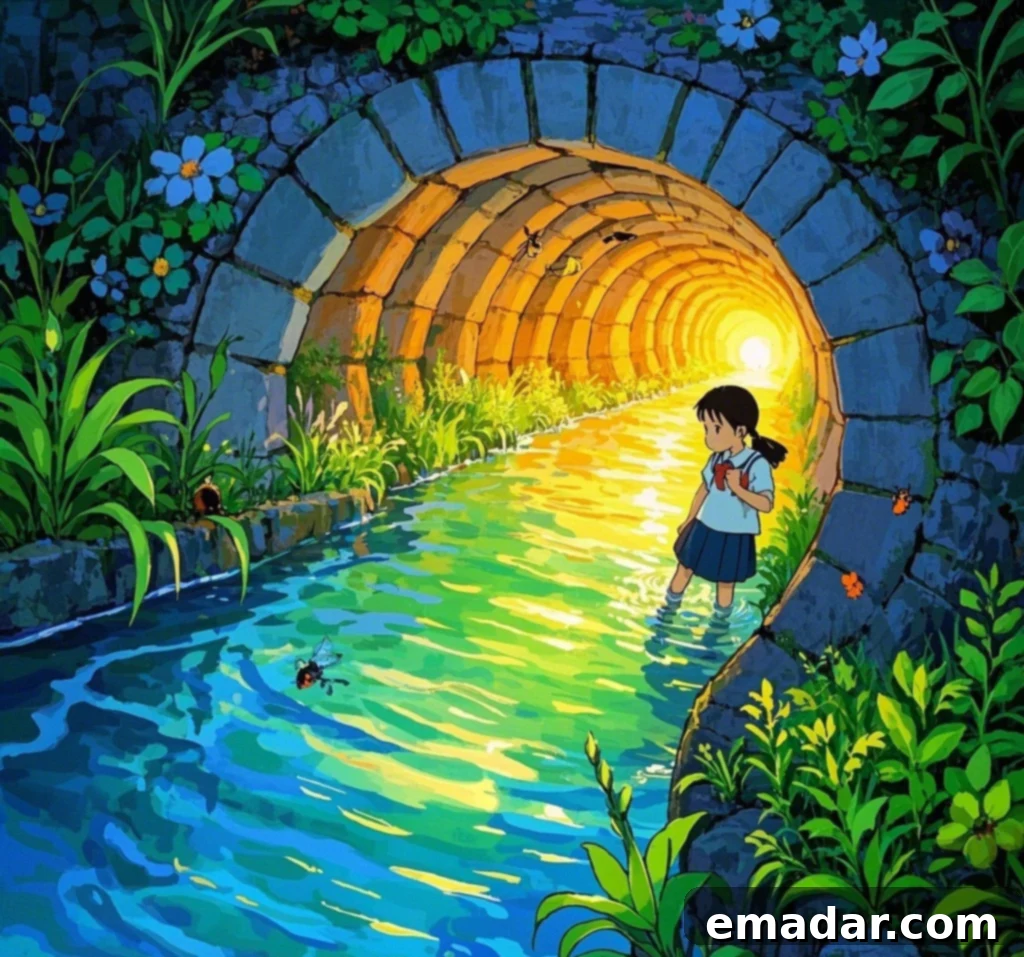
The landscape of digital creation is undergoing a profound transformation, propelled by the relentless evolution of artificial intelligence. At the forefront of this revolution stands OpenAI, whose latest advancements in image generation and modification capabilities, particularly with the introduction of models like ChatGPT-4o, mark a monumental leap forward. For years, platforms such as Midjourney and DALL-E have captivated users by enabling them to conjure intricate images from simple text prompts. However, ChatGPT-4o elevates this experience to an unprecedented level of convenience and versatility. It transcends mere image generation, offering integrated functionalities that allow users to upload existing images, manipulate them, and even convert them into highly specific artistic styles, all within a seamlessly interactive environment.
This surge in advanced AI tools has, understandably, led to increased demand and, at times, access challenges for a global user base. Many individuals and organizations now rely on sophisticated solutions like proxy IPs to ensure smooth, uninterrupted access to these powerful AI platforms. What once felt like an arduous journey to harness cutting-edge technology—”climbing the ladder to pick the stars”—has been streamlined by innovations such as IPFLY proxies, making access to tools like GPT as simple as reaching out. This technological enablement is not just about convenience; it’s about liberating productivity and democratizing access to powerful creative instruments, fostering an environment where innovation can flourish without geographical or technical barriers.
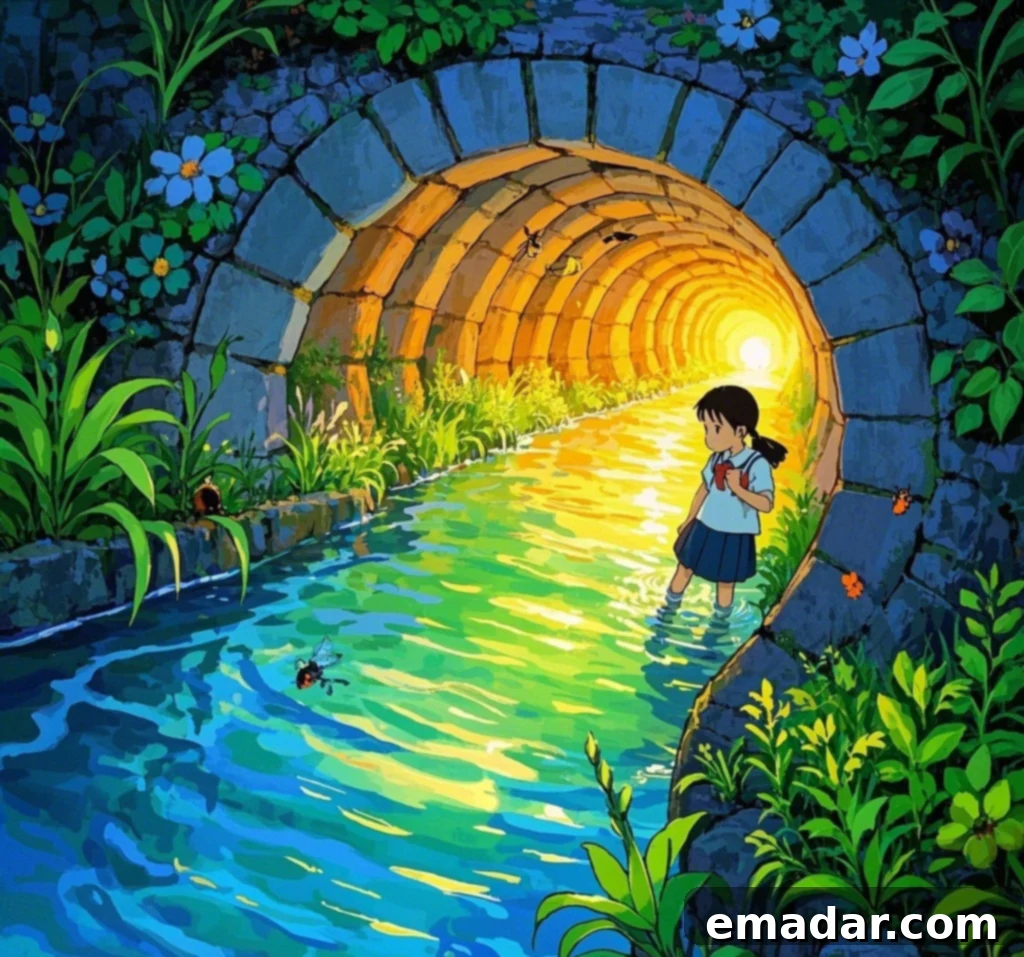
Amidst this technological fervor, a particular trend has ignited widespread debate and, for many, profound unease: the conversion of personal photographs and even cherished NFT artwork into the distinctive aesthetic of Studio Ghibli. Studio Ghibli, revered globally for its enchanting animation, intricate storytelling, and, crucially, its unparalleled, hand-drawn visual style, has long been considered a bastion of artistic originality—a style previously deemed almost impossible for artificial intelligence to perfectly replicate. Yet, AI, with its burgeoning sophistication, is now challenging this very perception. This capability, while technically impressive, represents a significant and, for many animation enthusiasts and artists, a crushing blow to the sanctity of human artistic endeavor.
The philosophical chasm between traditional art and AI’s rapid encroachment is perhaps best encapsulated by the unequivocal stance of Mr. Hayao Miyazaki, the visionary soul and co-founder of Studio Ghibli. Miyazaki has consistently and passionately voiced his opposition to the use of artificial intelligence in animation. In a memorable and oft-quoted statement, he declared, “I am extremely disgusted. I simply do not want to use this technology in my own work. I strongly believe it is an an insult to life itself.” His powerful words resonate deeply within the artistic community, embodying the sentiment of countless practitioners who perceive AI’s intrusion as a travesty, fundamentally undermining the essence, originality, and emotional depth inherent in human creative expression. For them, art is not merely an output but a deeply personal process, imbued with human struggle, intent, and lived experience, elements that AI, by its very nature, cannot replicate.
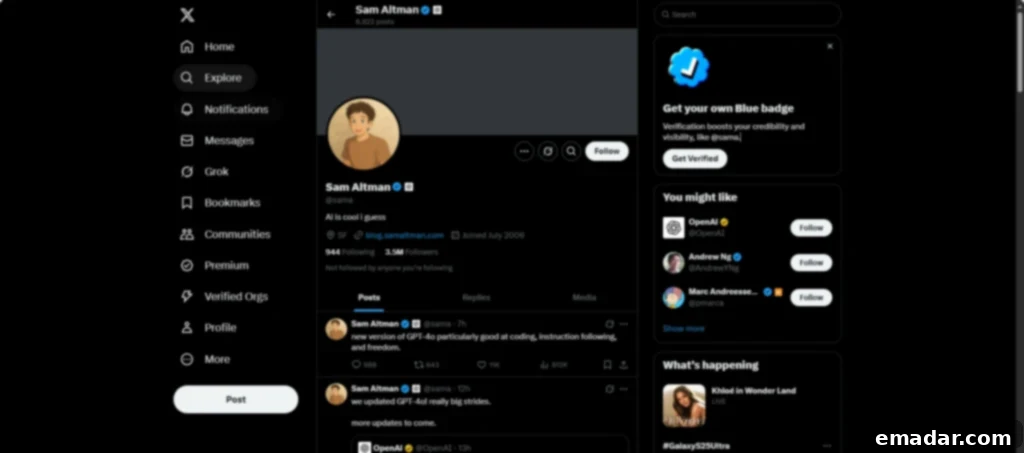
Despite these deeply held ethical reservations from influential figures within the creative world, the allure and convenience of AI-powered style transfer are undeniable. This trend has been further fueled, perhaps inadvertently, by prominent figures within the AI industry itself. OpenAI’s CEO, Sam Altman, notably changed his avatar to a Ghibli-style self-portrait, a move that, despite its potential to highlight AI’s capabilities, undoubtedly contributed to the rapid popularization and normalization of this stylistic conversion. OpenAI, acknowledging the potential for ethical dilemmas and intellectual property concerns, has attempted to impose certain restrictions, such as preventing users from directly generating images by explicitly typing in prompts like “Studio Ghibli style.” However, the ingenuity of users and the inherent flexibility of AI systems often mean that there are always creative workarounds, turning the implementation of control into a perpetual cat-and-mouse game between developers and a vast, diverse user base.
From a purely technical standpoint, the image generation and modification capabilities demonstrated by OpenAI are nothing short of astounding. While it is true that the digital realm is often inundated with a substantial volume of low-quality, AI-generated content, it would be disingenuous to deny the immense potential this technology holds for innovation, accessibility, and new forms of creative expression. However, when viewed through the critical lenses of creativity, ethics, and the preservation of artistic integrity, this burgeoning trend presents a deeply worrying panorama. Artists, animators, and writers, whose livelihoods and passions are intrinsically linked to original creation, frequently express profound apprehension and even outright abhorrence at AI’s accelerating encroachment into domains traditionally reserved for human ingenuity. Their perspective, often rooted in a deep understanding of the craft and the value of unique authorship, is not merely critical but fundamentally insightful into the potential long-term ramifications for the creative ecosystem.
The true societal impact of this shift is perhaps most acutely felt among a rapidly growing segment of users who readily create and enthusiastically share Ghibli-style emojis, avatars, and other digital content online. For many, AI-generated images are not just a novelty but are considered “good enough” to substitute for, or even replace, the nuanced output of human creativity. This prevailing sentiment, coupled with the exponential advancements in AI’s photorealism and stylistic replication capabilities, makes it increasingly challenging for the average observer to discern between genuinely human-created art and its AI-generated counterparts. The blurring of these lines poses a significant challenge to our understanding of authenticity, originality, and the inherent value we place on human artistic endeavor.
As a devoted admirer of Studio Ghibli, and indeed of animation and artwork in its broadest sense, witnessing these developments unfold is a profoundly disquieting experience. The notion of effectively combatting this powerful technological current, or attempting to halt its momentum, appears to be fading with each passing innovation. The rapid, almost dizzying, advancement of artificial intelligence is irrevocably reshaping the very foundations of the creative field. In light of this paradigm shift, it is imperative that we, as a society, engage in serious, introspective contemplation regarding the multifarious implications of AI. We must actively seek pathways to preserve the profound essence, intrinsic value, and unique contribution of human art in an increasingly automated world, ensuring that technological progress does not come at the expense of our collective cultural heritage.
In essence, OpenAI, through its groundbreaking image generation capabilities, has undeniably opened a veritable Pandora’s Box. This act has unleashed not only an unprecedented wave of technological power and creative potential but also a complex array of challenges pertaining to art ethics, intellectual property, and the very future of our creative ecology. The questions it raises are profound: How do we navigate this brave new world? How do we balance innovation with responsibility? How do we uphold the value of human creativity while embracing the tools that can augment it? These are not questions with simple answers, but rather complex dilemmas that demand deep, collective introspection from artists, technologists, policymakers, and indeed, all of us.
Navigating the Digital Frontier: The Role of Proxy IPs in AI Access
As the AI landscape expands and sophisticated tools like ChatGPT-4o become central to creative and professional endeavors, the practicality of accessing and utilizing these platforms seamlessly becomes paramount. For users around the globe, especially those facing geographical restrictions or seeking enhanced operational efficiency, proxy IPs have emerged as an indispensable solution. A reliable proxy service acts as an intermediary, routing internet traffic through a server in a different location, thereby offering a multitude of advantages that optimize the AI experience.
Unlock ChatGPT-4o’s Full Potential: Key Benefits of Using Proxy IPs
The strategic deployment of proxy IPs can significantly enhance a user’s ability to interact with powerful AI models like ChatGPT-4o:
Multi-Account Operation: For professionals, digital marketers, researchers, or agencies who manage multiple projects or client accounts, operating numerous ChatGPT-4o accounts simultaneously is often a necessity. Using different proxy IPs for each account ensures that these accounts appear distinct to the AI service, preventing them from being linked or flagged due to unusual access patterns from a single IP address. This capability is crucial for scaling operations and maintaining operational integrity across diverse ventures.
Bypassing Geographic Restrictions: ChatGPT-4o, like many cutting-edge AI services, may not be universally available in all countries or regions due to regulatory frameworks, licensing agreements, or developmental rollout strategies. Proxy IPs offer a robust solution by allowing users to virtually relocate their access point. By connecting through a proxy server located in a region where access is permitted, users can effectively bypass these geographic limitations, ensuring equitable access to advanced AI tools regardless of their physical location.
Enhanced Privacy and Security: In an era of increasing digital surveillance and data concerns, protecting one’s online identity is more important than ever. Utilizing a proxy IP effectively masks your real IP address, creating a layer of anonymity. This means your online activities, including your interactions with AI platforms, cannot be easily traced back to your actual location, thereby safeguarding your privacy from potential monitoring or unwarranted identification.
Optimized Access Speed and Reliability: While not universally guaranteed, choosing a proxy IP strategically located closer to ChatGPT-4o’s servers can often lead to reduced latency and potentially faster access speeds. This is particularly beneficial in scenarios where network congestion might otherwise impede performance. By streamlining the connection path, proxies can contribute to a smoother, more responsive user experience, crucial for real-time interactions with AI.
Avoiding IP Blocking and Maintaining Continuity: IP addresses can occasionally be temporarily or permanently blocked by online services. This might occur due to perceived suspicious activity, frequent access requests, or even inadvertent violations of terms of service. Should your primary IP address face such a restriction, a proxy IP provides an immediate and effective workaround, allowing you to change your apparent IP address and regain uninterrupted access to ChatGPT-4o, ensuring continuity in your workflow without significant downtime.
Want to effortlessly harness the power of GPT and other advanced AI tools? Welcome to IPFLY Global Agency! We specialize in providing a vast network of reliable IP resources from over 190 regions worldwide. With IPFLY, you can navigate the digital world freely, access cutting-edge AI, and truly unleash your creative potential without boundaries.
Haven’t explored the incredible capabilities of GPT yet? Don’t wait. Start your journey now!