
In the complex and ever-evolving ecosystem of internet connectivity, IPv4 proxies stand as critical intermediaries, enabling secure, anonymous, and efficient data transmission. An IPv4 proxy is essentially a server that acts as a gateway between a user’s device and the internet. Its primary function is to reroute internet traffic through an alternative IPv4 address, effectively masking the user’s original IP. This foundational technology is deeply rooted in the IPv4 protocol, which utilizes 32-bit addresses, typically presented in a dotted-decimal notation like 192.168.1.1, to uniquely identify devices connected to a network.
As the internet’s backbone for decades, IPv4 addresses have become a crucial element in how data packets find their way across global networks. By replacing the user’s IP with one from the proxy’s extensive pool, an isolation layer is established. This layer allows users to perform various tasks, such as bypassing geographical restrictions to access region-locked content or conducting comprehensive market research and competitive analysis without directly exposing their identity or location. The ability to manipulate one’s perceived online location and identity is a powerful tool in today’s interconnected world, serving both individual privacy needs and sophisticated business intelligence operations.
Scientifically, the mechanism of an IPv4 proxy draws heavily from principles of data packet encapsulation and network address translation (NAT). When a client sends a request, the proxy server intercepts and encapsulates the data packet. It then meticulously rewrites the packet header, replacing the client’s original source IPv4 address with its own, while meticulously preserving the integrity of the payload – the actual data being sent. This intricate process can be likened to cellular transport in biology, where molecules are encapsulated and shuttled across a cell membrane without altering their fundamental composition.
The outcome of this process is a modified data path that can effectively bypass the detection mechanisms of firewalls or content filters. These defensive systems often rely on IP-based blacklists, geographical IP databases, or behavioral analysis to identify and block suspicious or unauthorized activity. For instance, in high-volume data collection tasks like web scraping, proxies are indispensable. They prevent rate limiting by distributing requests across numerous IP addresses, thereby maintaining efficiency and preventing IP bans, especially in environments with strict bandwidth or request frequency limitations. This ensures continuous, uninterrupted access to public data without triggering security alerts that would typically block a single IP making too many requests.
The significance of IPv4 proxy servers is further amplified by the inherent limitations of the IPv4 address space itself, which is restricted to approximately 4.3 billion unique combinations. With the explosive growth of internet-connected devices, this address space is largely exhausted. Proxies help to mitigate this scarcity by pooling and rotating IP addresses, thereby reducing the risk of individual IPs being depleted or blacklisted. This ensures continuous and reliable access for legitimate purposes. However, this power necessitates careful management to prevent misuse. Overuse or improper application can lead to “IP pollution,” where certain IP addresses gain a poor reputation in global databases, resulting in frequent CAPTCHAs, service blocks, or outright bans.
In practical terms, residential IPv4 proxies, which originate from real Internet Service Provider (ISP) connections, offer a higher degree of authenticity. They mimic organic user patterns, making them significantly less likely to be flagged by sophisticated anti-bot systems. This contrasts with datacenter proxies, which often originate from commercial server farms and can sometimes be more easily identified as non-human traffic. The choice between residential and datacenter proxies often depends on the specific use case, the sensitivity of the target website, and the desired level of anonymity and authenticity.
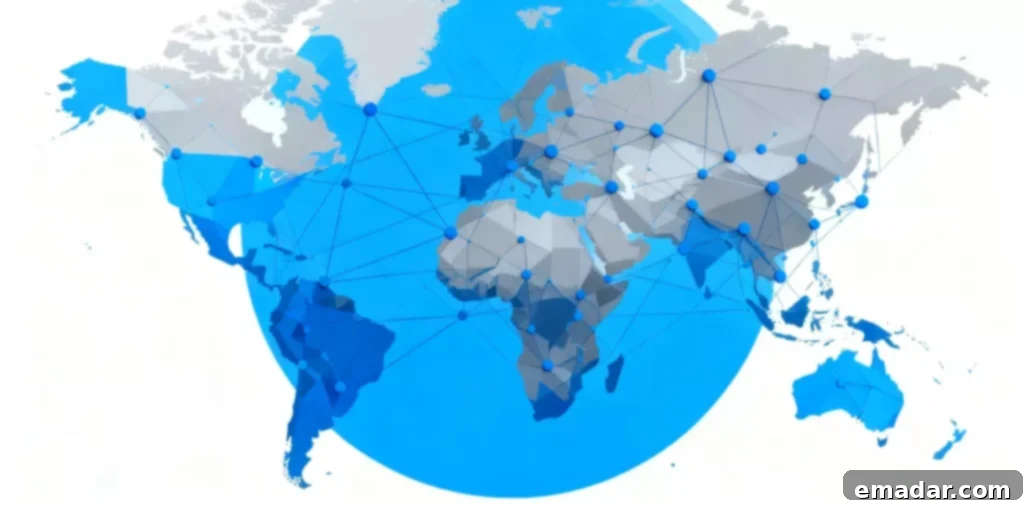
Core Mechanisms of IPv4 Proxy Execution
The operational execution of an IPv4 proxy server can be broken down into a precise series of technical steps designed to ensure secure and efficient routing. First, the client device must be configured with the proxy settings. This involves directing all outgoing internet traffic to the specific IPv4 address and port of the proxy server. For instance, SOCKS5 proxies commonly use port 1080. Once configured, all subsequent network requests from the client are first sent to the proxy.
Upon receiving a request, the proxy server first validates it. This validation often involves authentication methods, such as usernames and passwords, to prevent unauthorized access and ensure that only legitimate users can utilize the service. Following successful authentication, the proxy resolves the destination address through an internal DNS query if necessary. This step is crucial for preventing DNS leaks, which could inadvertently reveal the client’s true location or identity, thereby compromising the anonymity provided by the proxy.
Next, the proxy performs the critical step of rewriting the data packet header. It replaces the client’s original source IPv4 address with its own, effectively anonymizing the request. During this process, other important fields, such as the Time-to-Live (TTL) field, are carefully maintained to prevent routing loops and ensure the packet reaches its intended destination efficiently. The modified packet is then forwarded from the proxy server to the target server on the internet. The target server, perceiving the request as originating from the proxy’s IP address, processes it and sends its response back to the proxy.
Finally, the proxy receives the response from the target server and, acting as the intermediary, forwards this response back to the original client. This completes the bidirectional communication loop. This dual-way flow adeptly supports both TCP (Transmission Control Protocol), which is essential for reliable connections like web browsing and file transfers, and UDP (User Datagram Protocol), preferred for low-latency applications such as streaming media, online gaming, and VoIP. In more advanced configurations, proxy servers often employ sophisticated load balancing techniques. This involves distributing outgoing traffic across multiple IPv4 addresses within the proxy pool, which not only optimizes throughput and reduces latency but also significantly minimizes the risk of detection by making traffic patterns less predictable.
For example, services like IPFLY specialize in providing robust IPv4 proxy solutions, including residential options. These providers offer “clean” IPs that integrate seamlessly into tasks requiring consistent anonymity and stability, such as secure data verification, remote testing, or accessing geo-restricted services, all without compromising connection reliability. The clean nature of these IPs helps avoid the common pitfalls of IP blacklisting and ensures a smoother, more effective operational experience for users.
Whether your goal is to conduct cross-border e-commerce testing, manage overseas social media operations, or perform anti-blocking data scraping, the first step is to select the appropriate proxy service on IPFLY.net. Furthermore, you can join the IPFLY Telegram community, where industry experts share real-world strategies for solving common proxy inefficiency challenges and optimizing your online operations.
Key Features and Advantages of IPv4 Proxies
IPv4 proxy servers are distinguished by several prominent features that contribute to their versatility and effectiveness. These include protocol diversity, supporting common internet protocols such as HTTP, HTTPS, and SOCKS (SOCKS4 and SOCKS5). This allows them to handle a wide range of internet traffic, from basic web browsing to secure transactions and diverse network applications. Another crucial feature is IP rotation, which involves dynamically changing the proxy IP address used for each request or after a set interval. This capability is instrumental in circumventing detection and blocking mechanisms. Furthermore, robust authentication methods, such as username/password or IP whitelisting, ensure secure sessions, preventing unauthorized use of the proxy service.
These features collectively enable extensive customization, such as precise geographic targeting. By selecting proxies from specific regions or countries, users can effectively simulate local access, appearing as if they are browsing from that particular location. This is invaluable for accessing region-specific content, testing localized websites, or verifying advertisements.
The benefits derived from using IPv4 proxies are multifaceted and significant across various domains:
-
Enhanced Privacy Protection: Proxies act as a shield, masking the user’s real IP address from the websites and services they access. This prevents advertisers and data trackers from building comprehensive user profiles based on connection history and online behavior, safeguarding personal privacy.
-
Improved Performance: Many proxies incorporate caching capabilities. By storing frequently requested data, proxies can serve subsequent requests from their local cache, significantly reducing latency and bandwidth usage. This can dramatically speed up access to repetitive tasks, such as API calls or accessing popular websites, especially in scenarios with limited bandwidth or high traffic.
-
Increased Security: Proxies can enhance security by acting as an additional layer of defense. They can be configured to filter malicious content, scan incoming data for known threats, and block access to dangerous websites before the traffic ever reaches the user’s device. Some advanced proxies integrate with threat intelligence feeds to provide real-time protection against evolving cyber threats.
-
Versatile Business Applications: In the business realm, proxies are indispensable tools. They facilitate large-scale web scraping and data aggregation by distributing requests across numerous IPs, preventing IP bans and ensuring continuous data flow. This supports critical market intelligence activities, competitive analysis, and price monitoring without triggering dynamic algorithms or alerting competitors to your activities.
However, it is also important to acknowledge the limitations of IPv4 proxies. The introduction of an additional “hop” in the network path can sometimes lead to increased latency and potentially slower connection speeds, depending on the proxy’s location and quality. Furthermore, the effectiveness of a proxy heavily relies on the reliability and integrity of the provider. Poorly managed proxies can lead to “IP contamination,” where IPs are frequently blacklisted, rendering them ineffective. Therefore, careful selection of a reputable proxy provider is paramount. When chosen wisely and managed responsibly, IPv4 proxies offer a balanced and robust solution for secure, private, and efficient internet networking.
Practical Applications of IPv4 Proxies
IPv4 proxies are widely applied across a multitude of professional and personal domains, showcasing their remarkable versatility in bridging connectivity gaps and enabling advanced online operations.
-
Market Research and Business Intelligence: In market research, proxies are invaluable for collecting geographically specific data. By simulating users from various regions, businesses can gather accurate pricing information, monitor competitor strategies, test localized website versions, and analyze advertising insights specific to different markets. This provides a true “local’s view” of the online landscape, ensuring data accuracy for strategic decision-making.
-
Cybersecurity Testing: Cybersecurity teams leverage IPv4 proxies to conduct penetration testing and vulnerability assessments. They can simulate attacks originating from neutral or diverse sources, allowing them to evaluate the robustness of their defenses against external threats without revealing their internal network structure. This helps in identifying weaknesses and strengthening security postures proactively.
-
E-commerce and Competitive Analysis: E-commerce teams utilize proxies extensively for competitive analysis. They can monitor competitor pricing, product availability, and promotional strategies across different regions without triggering dynamic algorithms that might show altered prices to known IP addresses. This provides an unbiased view of the market, essential for optimizing pricing strategies and product offerings.
-
Personal Use and Content Access: On a personal level, proxies are widely used to bypass geographical restrictions imposed on streaming services, online gaming platforms, and other digital content. By connecting through a proxy in a different country, users can gain access to a global library of content, enjoying entertainment that would otherwise be unavailable in their region.
-
API Testing and Development: Developers frequently integrate proxies into their API testing workflows. By routing API requests through different IP addresses, they can verify the performance and behavior of their applications from various geographical locations. This ensures that services function correctly and efficiently for a global user base, identifying any region-specific bugs or latency issues.
These applications highlight the indispensable role of IPv4 proxies in modern digital infrastructure, offering solutions for everything from maintaining personal privacy to driving complex corporate strategies.
Hands-on Tutorial: Configuring and Utilizing IPv4 Proxies
Effectively using IPv4 proxies requires proper configuration, which can range from simple browser settings to complex script integrations. Here’s a practical guide:
Basic Browser Configuration
- Acquire Proxy Credentials: Obtain the necessary proxy details, including the IP address (e.g., `192.168.1.10`), port number (e.g., `1080` for SOCKS5 or `8080` for HTTP/HTTPS), and the specific protocol (HTTP, HTTPS, or SOCKS5) from your chosen proxy provider.
- Configure Browser Settings: Navigate to your browser’s network settings. For Chrome, this is typically under `Settings > System > Open your computer’s proxy settings`. For Firefox, it’s `Settings > Network Settings > Manual proxy configuration`. Enable manual proxy configuration and input the proxy details for the respective protocol (e.g., SOCKS Host for SOCKS5, HTTP Proxy for HTTP). If required, enter your username and password.
- Verify and Test: Once configured, open a new browser tab and visit an IP checker website (e.g., `whatismyipaddress.com`). The displayed IP address should now be that of your proxy, confirming successful configuration.
- Monitor Performance and Adjust: Pay attention to browsing speed and consistency. If you experience slowdowns or frequent disconnections, you may need to try a different proxy server or adjust your settings.
Automated Usage with Scripts
For tasks like web scraping or automated data collection, programmatic integration is essential. Most programming languages offer libraries to handle proxy configurations.
- Establish Programming Environment: Use a request library compatible with your chosen language. For Python, the `requests` library is commonly used.
- Configure Script to Use Proxy: Define your proxy details within your script. For example, in Python:
import requests
proxies = {
    'http': 'http://user:password@proxy_ip:proxy_port',
    'https': 'https://user:password@proxy_ip:proxy_port'
}
response = requests.get('http://example.com', proxies=proxies)
print(response.text)
Adjust the `http` or `https` keys based on your proxy protocol.
- Execute and Parse Results: Run your script. The requests will now be routed through the specified proxy. Parse the returned data as needed.
- Implement Rotation for Continuous Use: For large-scale operations, implement proxy rotation within your script. This involves cycling through a list of multiple proxy IPs to avoid detection and bans. Libraries often provide built-in functionalities or you can implement custom logic.
Advanced Security Integration
- Combine with a VPN: For a multi-layered security approach, use an IPv4 proxy in conjunction with a Virtual Private Network (VPN). A VPN encrypts your entire internet connection, and then the proxy further anonymizes your traffic, providing enhanced privacy and bypassing more stringent detection systems.
- Set Up Rotation and Logging: Implement sophisticated proxy rotation strategies (e.g., sticky sessions for specific domains, geo-targeted rotation) and maintain detailed logs of proxy usage. Logging is crucial for troubleshooting, compliance, and performance analysis.
- Test in Simulated Scenarios: Before deployment, rigorously test your integrated proxy solution in various simulated scenarios. This includes testing against different target websites, under varying traffic loads, and from different geographical locations to ensure stability and effectiveness.
- Refine Based on Metrics: Continuously monitor key performance indicators (KPIs) such as success rates, latency, and proxy ban rates. Use this data to refine your proxy strategy, optimize rotation schedules, and select the most reliable proxies.
Ethical and Practical Considerations
The ethical use of IPv4 proxies cannot be overstated. It primarily emphasizes engaging in legitimate online activities and strictly adhering to the terms of service of the websites or services being accessed. While proxies offer powerful capabilities for anonymity and access, they must not be employed for illegal purposes, such as unauthorized access, data theft, or engaging in activities that violate copyright laws or national regulations. Always ensure that your proxy usage aligns with legal frameworks and ethical guidelines.
From a practical standpoint, it is paramount to choose proxy providers that offer “clean” IP addresses. Clean IPs have a good reputation and are less likely to be blacklisted, reducing the chances of encountering CAPTCHAs, blocks, or other access restrictions. Continuous monitoring of your proxy’s performance and reputation is also essential. Regularly check the success rate of your requests and be prepared to switch proxies if you notice a decline in performance or an increase in detected activity.
In professional environments, maintaining comprehensive records of proxy usage is not just good practice but often a requirement for compliance. Documenting which proxies were used, for what purpose, and during which periods can be crucial for auditing, troubleshooting, and demonstrating adherence to company policies and legal obligations. Responsible and informed use ensures that the benefits of IPv4 proxies are harnessed without falling into the pitfalls of misuse or legal complications.
In conclusion, IPv4 proxies offer a robust and indispensable framework for secure and efficient digital navigation in today’s complex online landscape. They seamlessly blend technical precision with immense practical utility, providing solutions for privacy, data access, and enhanced performance. By understanding the core mechanisms, key features, and diverse applications outlined in this comprehensive guide, users are well-equipped to effectively configure and deploy these powerful tools to achieve their online objectives responsibly and ethically.