
In the dynamic and ever-expanding world of **cross-border e-commerce** and international trade, the term “Freight Forwarder” frequently emerges. Many newcomers to the industry often find themselves pondering: What exactly is a freight forwarder? What specific services do freight forwarding companies provide? And most importantly, what crucial role do they play if I need to ship my goods from my home country to an overseas customer?
Navigating the complexities of global logistics can be daunting. From understanding intricate customs regulations to selecting the most efficient shipping routes, the journey of a product from manufacturer to international consumer is fraught with potential challenges. This comprehensive guide aims to demystify the role of freight forwarders, shedding light on their operational principles, diverse services, various types, and their undeniable value proposition within the thriving ecosystem of cross-border e-commerce.
What is a Freight Forwarder? Understanding the Backbone of Global Trade
A **Freight Forwarder**, often referred to as an **International Freight Forwarder**, is much more than just a shipping agent; it is a specialized service provider that acts as an intermediary between a shipper (the exporter/importer) and various transportation services. Operating as a crucial orchestrator of logistics, a freight forwarder takes on the responsibility of arranging the international transport of goods, managing customs clearance procedures, organizing warehousing solutions, and coordinating last-mile delivery.
To put it simply, imagine a scenario where:
- Your cross-border e-commerce enterprise functions as the “seller,” offering products to a global audience.
- Your valued customers, located in various countries overseas, are eagerly awaiting their purchases.
- In this intricate supply chain, the **freight forwarder acts as your indispensable “logistics partner and strategic manager.”** They meticulously oversee every step of the journey, ensuring that your goods reach their final destination safely, compliantly, and with optimal efficiency. They are the experts who transform complex international shipping into a streamlined, hassle-free process for businesses of all sizes.
The core value of a freight forwarder lies in their extensive network, specialized knowledge of international trade laws, and ability to negotiate favorable rates with carriers, ultimately simplifying the often-complex landscape of global trade for their clients.
Core Services: What Does a Freight Forwarding Company Primarily Do?
Freight forwarding companies offer a comprehensive suite of services designed to manage the entire logistical chain of international shipments. Their expertise ensures that goods move smoothly across borders, adhering to all regulatory requirements and operational efficiencies. Here are the primary functions they perform:
- Booking and Space Procurement: Freight forwarders maintain strong relationships and significant purchasing power with major shipping lines, airlines, and rail operators. This allows them to secure optimal cargo space (known as “booking”) for their clients, even during peak seasons when demand for shipping capacity can lead to tight availability and higher prices. They can negotiate better rates and ensure your cargo gets on the vessel or flight when needed.
- Customs Declaration and Clearance: Navigating international customs can be one of the most challenging aspects of global trade. Freight forwarders are experts in preparing and submitting the necessary documentation for both export declaration (at the origin country) and import clearance (at the destination country). They ensure all paperwork, such as commercial invoices, packing lists, bills of lading/airway bills, and certificates of origin, is accurate and compliant, preventing costly delays, penalties, or even seizure of goods due to procedural errors or incomplete declarations.
- Strategic Transportation Arrangement: They meticulously plan and execute the most suitable transport solutions based on the nature of the goods, urgency, budget, and destination. This involves selecting from various modes of transport including **ocean freight** (ideal for large volumes and heavy goods, offering cost-effectiveness but longer transit times), **air freight** (perfect for high-value, time-sensitive, or perishable goods due to its speed), **rail freight** (such as the China-Europe Express, balancing speed and cost, a viable alternative to sea or air for certain routes), and **express courier services** (for small parcels requiring fast, door-to-door delivery). Often, they coordinate multimodal transport, combining different methods for optimal efficiency.
- Warehousing, Storage, and Distribution: Many freight forwarders offer comprehensive warehousing solutions, including both short-term storage and long-term overseas warehousing facilities. These services are particularly beneficial for cross-border e-commerce businesses, enabling localized inventory management, faster order fulfillment, and efficient distribution within target markets. They can handle inventory management, pick-and-pack services, and even prepare goods for final delivery to retail outlets or directly to consumers.
- Cargo Insurance and Risk Management: International shipping inherently involves risks such as loss, damage, or theft of cargo. Freight forwarders provide access to comprehensive cargo insurance options, protecting shippers against financial losses. Beyond insurance, they also offer risk assessment and mitigation strategies, advising on proper packaging, handling, and secure routing to minimize potential issues throughout the transit process. In case of incidents, they assist with claims processing, easing the burden on the shipper.
- Documentation Management: The sheer volume of paperwork in international shipping can be overwhelming. Freight forwarders handle all aspects of documentation, from creating the initial shipping instructions to processing bills of lading, airway bills, customs declarations, manifests, and proof of delivery, ensuring all records are accurate and accessible.
- Track and Trace Services: Modern freight forwarders provide advanced tracking systems, allowing clients to monitor their shipments in real-time. This end-to-end visibility offers peace of mind and enables proactive management of potential delays or issues, ensuring transparency throughout the supply chain.
In essence, a freight forwarder serves as your holistic logistics department, handling everything from the factory floor to the customer’s doorstep, effectively **”packaging and perfecting” the entire journey of your goods.**
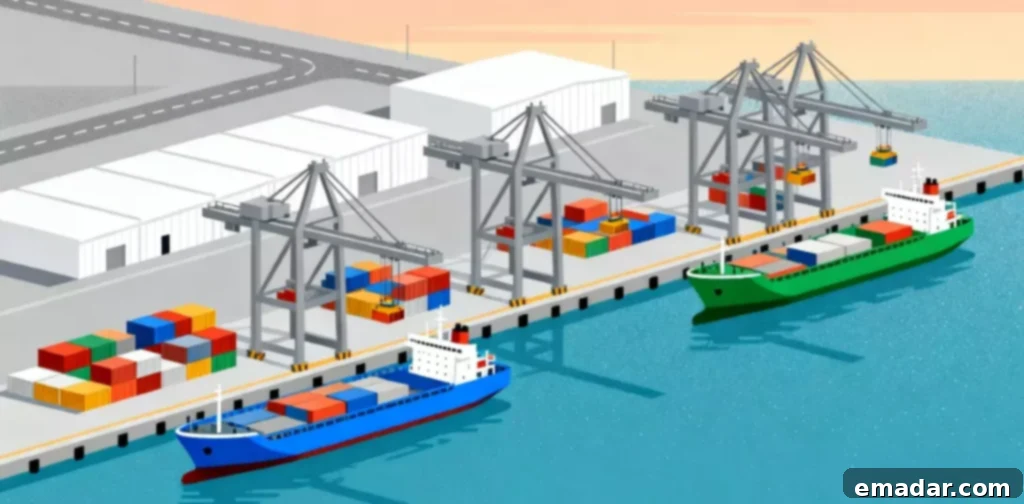
Diverse Specializations: What Are the Main Types of Freight Forwarders?
The freight forwarding industry is diverse, with companies often specializing in particular modes of transport or specific logistical challenges. Understanding these types can help businesses choose the best partner for their unique shipping needs:
- Ocean Freight Forwarders
- This is the most common and cost-effective method for shipping large volumes of goods internationally. Ocean freight is ideal for bulky, heavy, or non-urgent cargo.
- **Key Characteristics:** Lower cost per unit, capacity for oversized items, longer transit times (weeks to months).
- **Ideal for:** Furniture, machinery, construction materials, automotive parts, bulk raw materials, and large-scale inventory for overseas warehouses.
- Air Freight Forwarders
- Specializing in fast and time-sensitive shipments, air freight offers significantly quicker transit times compared to sea freight, making it crucial for urgent deliveries.
- **Key Characteristics:** High speed, higher cost, suitable for lighter, smaller, and high-value goods, perishable items, or goods with short shelf lives.
- **Ideal for:** Electronics, fashion apparel, pharmaceuticals, urgent spare parts, samples, and luxury goods where speed is paramount.
- Rail Freight Forwarders
- With the rise of initiatives like the “China-Europe Express Railway,” rail freight has become a popular and efficient option for connecting continents, particularly between Asia and Europe.
- **Key Characteristics:** Speed that is faster than sea freight but more economical than air freight, offering a balanced solution for certain landlocked regions or routes. Environmentally friendlier than air or road transport over long distances.
- **Ideal for:** Consumer goods, automotive components, machinery, and general cargo requiring a moderate speed-to-cost ratio across landmasses.
- Express Freight Forwarders / Courier Service Integrators
- These forwarders leverage established global courier networks like DHL, UPS, FedEx, and TNT to offer rapid door-to-door delivery for small packages and documents.
- **Key Characteristics:** Extremely fast transit times (often 1-5 days), premium pricing, excellent tracking capabilities, streamlined customs for small parcels.
- **Ideal for:** Small-batch orders, e-commerce direct-to-consumer shipments, urgent documents, samples, and high-value, lightweight items where swift delivery is a competitive advantage.
- Integrated (Multimodal) Freight Forwarders
- These comprehensive service providers offer a “one-stop shop” solution, capable of handling all modes of transport (sea, air, rail, road), along with additional services like customs clearance, warehousing, and last-mile delivery.
- **Key Characteristics:** Provide end-to-end logistics solutions, often optimizing complex routes involving multiple modes of transport, offering seamless coordination and a single point of contact for the shipper.
- **Ideal for:** Cross-border e-commerce businesses needing a complete supply chain solution, companies with diverse shipping needs, or those seeking to outsource their entire logistics operations for maximum efficiency and reduced administrative burden.
- **Niche Freight Forwarders:** Some forwarders specialize further, handling dangerous goods, oversized project cargo, perishables, live animals, or specific industries (e.g., oil & gas, art logistics), offering tailored expertise and compliance for highly specialized shipments.
Strategic Advantage: The Indispensable Role of Freight Forwarders in Cross-Border E-commerce
For cross-border e-commerce sellers, venturing into international markets presents unparalleled opportunities, yet also brings unique challenges, primarily centered around **logistics complexity and trade compliance**. This is precisely where freight forwarders become invaluable strategic partners, providing solutions that empower businesses to thrive globally:
- Solving Multi-Channel Shipping Demands: Different countries and various e-commerce platforms (Amazon, eBay, Shopify, TikTok Shop) often have distinct and stringent logistics requirements. A skilled freight forwarder can quickly assess these varying demands and custom-tailor shipping solutions that meet each specific need, ensuring seamless integration with diverse sales channels and marketplaces. They act as a single point of contact for coordinating multiple shipping strategies.
- Significant Cost Reduction: Through their established relationships with carriers and the ability to consolidate shipments from multiple clients, freight forwarders benefit from economies of scale. This allows them to negotiate significantly lower shipping rates than what an individual seller could secure independently. They also optimize routes and modes of transport, cutting down on unnecessary expenses and often providing more competitive pricing than direct carrier rates.
- Effective Risk Mitigation and Compliance Assurance: International trade is rife with regulatory hurdles. Freight forwarders possess deep expertise in international customs laws, import/export regulations, tariffs, duties, and required documentation. Their knowledge helps e-commerce sellers avoid costly mistakes such as improper declarations, which can lead to goods being detained, incurring heavy fines, or even being returned, thereby safeguarding the seller from compliance risks and potential financial losses. They proactively manage unforeseen issues, from port congestion to carrier delays.
- Enhanced Customer Experience: In the competitive e-commerce landscape, swift and reliable delivery is a cornerstone of customer satisfaction and repeat business. Professional freight forwarders ensure that goods are transported efficiently and delivered on time, minimizing delays and improving overall transit reliability. This commitment to timely and problem-free delivery directly translates to higher customer satisfaction, positive reviews, and ultimately, increased customer loyalty and repeat purchases.
- Access to Global Networks and Expertise: Freight forwarders have an expansive network of agents, customs brokers, and logistics partners worldwide. This global reach means they can handle shipments to almost any destination, navigating local regulations and infrastructure with ease, offering invaluable market entry support.
Consider these practical applications:
- For **sellers operating TikTok Shops**, freight forwarders are adept at arranging efficient small parcel air freight combined with strategic overseas warehousing solutions, enabling faster local delivery and improved customer service.
- **Amazon FBA (Fulfillment by Amazon) sellers** heavily rely on freight forwarders for direct delivery of inventory to Amazon’s fulfillment centers globally, ensuring FBA stock levels are maintained seamlessly and in compliance with Amazon’s strict inbound logistics requirements.
- For **independent e-commerce website owners**, freight forwarders provide comprehensive “door-to-door” services, managing the entire logistics chain from the factory in the origin country directly to the customer’s address overseas, offering a fully integrated and stress-free shipping solution.
The Digital Connection: Freight Forwarders and the Strategic Use of IP Addresses in Cross-Border E-commerce
While freight forwarders manage the physical journey of goods, a parallel but equally critical aspect of successful cross-border e-commerce lies in managing the digital environment. This is where the strategic use of **proxy IP addresses** becomes vital, creating an “invisible cloak” for your online activities.
Think of an IP address as your internet’s street address. Without a proxy IP, when you access websites or manage your online stores, your true IP address (your actual digital location) is visible to every online service. This directly tells websites and platforms who you are and where you are located. However, with a proxy IP, your internet traffic is routed through an intermediary server. The website you visit then sees the proxy server’s IP address, not your real one, effectively allowing you to appear as if you are browsing from a different geographic location.
You might ask: What is the connection between a freight forwarder and an IP address? In the context of cross-border e-commerce, their relationship is deeply symbiotic and increasingly intertwined:
- **Freight Forwarders are responsible for the physical logistics path of your goods.** They ensure your products move efficiently and compliantly from point A to point B across international borders.
- **Proxy IP addresses are crucial for managing the digital network path of your account operations and market presence.** They enable you to operate securely and effectively in various online environments, simulating local presence from a remote location.
For example:
- When setting up or managing **overseas e-commerce stores or multiple accounts on global platforms**, you require a **clean and consistent IP environment** to ensure account security, prevent bans, and conduct market research as a local user. This digital “presence” is critical for avoiding detection as a foreign entity or for managing geo-restricted content.
- Concurrently, when arranging the **physical logistics for these stores**, you need a **reliable freight forwarder** to ensure your goods arrive safely and without customs issues.
The synergy is clear: the physical movement of goods needs to be supported by a secure and geographically appropriate digital presence. This is why many savvy cross-border sellers, in parallel with selecting a trustworthy freight forwarder, also invest in high-quality proxy IP service providers like **IPFLY**. These services enable crucial activities such as managing multiple e-commerce accounts, conducting competitive analysis in different markets, performing geo-targeted advertising, or ensuring stable streaming for live commerce platforms like TikTok. IPFLY offers a range of IP types—including **static residential IP, dynamic residential IP, and data center IP**—specifically designed to help sellers achieve robust account isolation, ensure stable TikTok live streaming, and facilitate secure market research. Together, freight forwarders and IP services form a powerful **”network + logistics” dual guarantee**, providing comprehensive support for every facet of international e-commerce operations.
Finding Your Perfect Partner: How to Choose a Reliable Freight Forwarder
Selecting the right freight forwarder is a critical decision that can significantly impact your cross-border e-commerce success. Here are key criteria to consider when evaluating potential partners:
- Possession of Official Qualifications and Licenses: Verify that the freight forwarder holds all necessary legal qualifications and international freight forwarding licenses. Look for accreditations such as NVOCC (Non-Vessel Operating Common Carrier) licenses or memberships in reputable industry associations (e.g., FIATA). These credentials indicate adherence to industry standards and regulatory compliance.
- Stability and Breadth of Channel Resources: A reliable freight forwarder should have established and stable relationships with multiple carriers across various transportation modes—sea, air, and rail. This diverse network ensures flexibility, competitive pricing, and backup options, even during peak seasons or unforeseen disruptions. Inquire about their partnership with major airlines, shipping lines, and ground transport providers.
- Availability of Overseas Warehousing Facilities: For cross-border e-commerce, access to overseas warehousing is a game-changer. Look for a freight forwarder that either owns or partners with warehouses in your target markets. This enables faster fulfillment, reduced shipping costs, easier returns management, and allows you to stock inventory closer to your customers, significantly enhancing their experience.
- Ability to Provide End-to-End Visibility and Responsive Customer Service: Transparency throughout the shipping process is paramount. A good freight forwarder offers comprehensive tracking systems that allow you to monitor your cargo’s status in real-time, from pickup to final delivery. Equally important is responsive and proactive customer service that can quickly address queries, provide updates, and resolve any issues that may arise. Look for dedicated account managers and clear communication channels.
- Transparent and Competitive Pricing Structures: Demand clear and itemized quotes. A reputable freight forwarder will offer transparent pricing, detailing all charges, including freight costs, customs fees, handling charges, and any potential surcharges. Be wary of quotes that seem too low or lack detail, as these often hide additional or unexpected fees that can inflate your final cost. Request a breakdown to ensure no hidden charges exist and that the pricing aligns with market rates for the services provided.
- Experience and Expertise in Specific Routes/Products: If you ship particular types of goods (e.g., hazardous materials, perishables) or frequently use specific routes, inquire about their specialized experience in these areas.
- Technological Integration: Modern freight forwarders often offer API integrations or online platforms that can connect directly with your e-commerce systems, streamlining order processing, tracking, and data exchange, leading to greater efficiency.
Conclusion: The Dual Pillars of Cross-Border E-commerce Success
To summarize, navigating the complexities of international trade and e-commerce successfully requires strategic partnerships and robust infrastructure:
- **What is a Freight Forwarder?** It is an international logistics expert that manages and orchestrates the entire transportation process, including booking, customs, shipping, warehousing, and insurance, on behalf of the shipper.
- **What do Freight Forwarding Companies primarily do?** Their core services encompass booking cargo space, handling intricate customs declarations and clearance, arranging diverse transportation modes (sea, air, rail, express), providing warehousing and distribution solutions, and securing cargo insurance and managing risks.
- **What are the main types?** They specialize in various modes like ocean, air, rail, and express freight, with many offering integrated, multimodal solutions to cover all aspects of logistics.
- **Why are they crucial for Cross-Border E-commerce?** They are vital for their ability to significantly reduce shipping costs, effectively mitigate risks associated with international compliance, streamline multi-channel fulfillment, and ultimately enhance the end customer’s experience through reliable and efficient delivery.
- **What is the connection between Freight Forwarders and IP Addresses?** While freight forwarders manage the physical journey of goods, proxy IP addresses manage the digital presence and security of your online operations. One ensures safe physical transit, the other secures your online accounts and enables market access, forming a comprehensive strategy for global business.
In an increasingly globalized marketplace, where digital presence is as critical as physical distribution, the combination of a **reliable freight forwarder and high-purity proxy IP services** has evolved into the indispensable “standard toolkit” for any ambitious cross-border e-commerce seller. This dual approach ensures both the seamless physical delivery of your products and the secure, compliant, and localized management of your online business activities across diverse international markets.
IPFLY Proxy Advantages:
- **Lightning-Fast Connectivity:** Enjoy stable, high-speed connections with minimal latency, ensuring uninterrupted online operations.
- **Universal Protocol Support:** Compatible with HTTP, HTTPS, and SOCKS5 protocols, offering versatile integration across various applications and tools.
- **Pristine IP Purity:** Access highly clean and untainted IP addresses, essential for long-term account management and avoiding detection on e-commerce platforms.
- **Global Coverage and Variety:** Choose from an extensive pool of static and dynamic residential IPs across 190+ countries, providing unparalleled geographical flexibility.
- **Broad Platform Compatibility:** Seamlessly integrates with leading anti-detect browsers, system settings, automated tools, and other e-commerce solutions.
👉 Click to claim your exclusive offer and elevate your IP experience today!