
In 2026, global search engine advertising spend will surpass $300 billion, and 68% of marketers say data-driven decisions are the single biggest driver of ad ROI. Search engine marketing intelligence—the systematic collection, analysis, and application of search data to improve marketing performance—has moved from optional to essential. It helps brands discover overlooked keyword opportunities, monitor competitor ads, track SERP feature shifts, refine bidding strategies, and spot emerging market trends before rivals do.
Yet industry research shows 62% of SEM teams contend with inaccurate, incomplete, or delayed intelligence. The issue is rarely flawed analytics; it is inadequate network infrastructure. Modern search engines and ad platforms deploy advanced anti-bot defenses that block automated collection from low-quality IPs, datacenter addresses, and shared networks. Even top third-party SEM tools experience geographic distortion, miss local ad variations, and suffer service interruptions due to IP bans. For brands operating globally, these blind spots create wasted ad spend, missed opportunities, and lost market share.
IPFLY’s enterprise-grade proxy ecosystem addresses the barriers to reliable SEM intelligence. With a global pool of over 90 million high-quality residential IPs spanning 190+ countries and 3,000+ cities, combined with 7-layer IP filtering and 99.9% uptime, IPFLY enables accurate, real-time SEM data collection from any region without blocks or distortion. Below is an overview of SEM intelligence, common data collection challenges, and how a robust proxy infrastructure turns raw search data into actionable competitive insights.
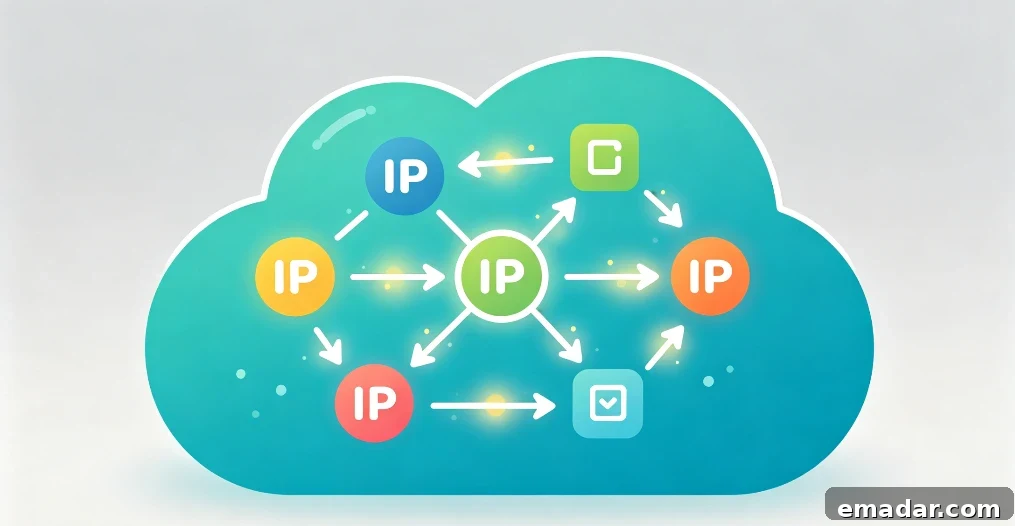
What Is Search Engine Marketing Intelligence?
Core Definition
Search engine marketing intelligence (SEM intelligence) is the process of gathering and analyzing structured data from search engines (Google, Bing, Yahoo, Baidu) to inform paid search (PPC) and organic search (SEO) strategies. It combines automated data extraction with analytics to reveal patterns, spot opportunities, and benchmark performance against competitors. Unlike simple rank tracking or basic keyword tools, comprehensive SEM intelligence provides a 360-degree view of the search ecosystem, including ad copy variations, landing page changes, bidding behavior, and SERP feature evolution.
Key Components of Modern SEM Intelligence
A thorough SEM intelligence program covers five essential domains:
- Keyword Intelligence: Monitor search volume, competition, CPC trends, and user intent across millions of keywords, regions, and languages. Detect long-tail opportunities, seasonal demand, and emerging terms early.
- Competitive Ad Analysis: Track competitors’ paid campaigns in real time—ad copy, extensions, landing pages, bids, and budget allocation. Observe ad rotation, A/B tests, and campaign launches to spot strategic openings.
- SERP Feature Intelligence: Observe the appearance and evolution of SERP features (featured snippets, local packs, shopping results, knowledge panels) that affect visibility. Identify where to capture featured snippets or optimize local presence.
- Bidding & Auction Intelligence: Analyze auction dynamics, CPC fluctuations, and impression share to refine bidding. Find times, days, and regions where ad spend yields the highest return.
- Market Trend Intelligence: Track industry-wide search trends, shifts in consumer intent, and competitor moves to guide long-term planning. Discover emerging markets, product categories, and customer pain points.
High-Impact Business Use Cases
SEM intelligence drives measurable ROI across the marketing funnel:
- Optimize Ad Spend: Shift budget away from underperforming keywords and regions toward high-conversion opportunities, typically improving ad ROI by 20–40%.
- Outmaneuver Competitors: Spot gaps in rivals’ coverage, exploit weaknesses, and respond swiftly to campaign changes.
- Localize Global Campaigns: Adapt ad copy, keywords, and landing pages to local search behavior and competitor activity.
- Improve Conversion Rates: Learn from top-performing ad copy and landing pages to enhance your creative assets.
- Forecast Market Trends: Anticipate seasonal demand shifts and new product interests to stay ahead of the market.
Core Challenges to Reliable SEM Intelligence
Even advanced analytics are only as good as the data they receive. SEM teams face persistent issues that erode accuracy and reliability:
- Geographic Data Distortion
Search engines return different ad results, rankings, and SERP features depending on the user’s IP location. Searches from New York, London, or Tokyo can display different ads, prices, and local listings. Many third-party tools rely on broad regional proxies or datacenter IPs that fail to replicate local user experiences, causing 30–50% inaccuracies for local campaigns.
- IP Bans & Anti-Bot Blocks
Search engines limit automated collection to protect ad revenue, using anti-bot systems that block datacenter IPs, shared proxies, and suspicious traffic patterns. Even small-scale scraping can trigger rate limits, CAPTCHAs, or permanent IP bans within hours, producing incomplete datasets and delayed reporting.
- Data Latency & Incompleteness
Poor proxy infrastructure creates high request failure rates, slow responses, and missing data. By the time intelligence arrives it can be outdated—critical in fast-moving categories where bids and campaigns change hourly. Incomplete data leads to wrong conclusions and poor strategy.
- Limited Customization
Off-the-shelf SEM tools often offer fixed reports and limited customization. They cannot track niche keywords, specific competitor landing pages, or custom data points unique to a business. Teams then build bespoke scrapers, which face the same anti-bot and IP ban issues.
- Escalating Costs
Enterprise SEM tools can cost tens of thousands per month for multi-region access, with pricing rising steeply with data volume. For companies active in 10+ markets, costs become prohibitive, forcing narrower data coverage and missed insights.
Why Proxy Infrastructure Is the Foundation of SEM Intelligence
Reliable SEM intelligence hinges on extracting accurate, real-time data from search engines. Proxy quality determines the accuracy, dependability, and scale of your SEM data. Effective proxies must:
- Be real residential IPs assigned by legitimate ISPs in the target city
- Have clean reputations with no history of abuse
- Rotate automatically to avoid rate limits and bans
- Support precise city- and neighborhood-level targeting
- Handle high concurrency with consistent performance
- Maintain 99.9% uptime for uninterrupted collection
Shared proxy pools and datacenter IPs fail these tests. For production-grade SEM intelligence, enterprise residential proxies are essential.
IPFLY: Power Accurate, Scalable SEM Intelligence
IPFLY’s proxy ecosystem removes barriers to reliable SEM data collection, enabling custom intelligence systems that deliver highly accurate, real-time insights from any region. IPFLY proxies integrate with major SEM tools and custom scraping frameworks, giving teams full control over data workflows.
IPFLY Proxy Types Optimized for SEM Intelligence
Dynamic Residential Proxies: High-Volume Real-Time Data Collection
Dynamic residential proxies draw from a global pool of over 90 million real end-user IPs, support per-request rotation with low-latency responses, and allow very high concurrency.
Best for: Large-scale keyword tracking, competitive ad monitoring, SERP feature analysis, and market trend intelligence. Automatic per-request rotation avoids rate limits and bans, while city-level targeting provides the exact local results real users see. High concurrency supports millions of daily requests without performance losses.
Static Residential Proxies: Long-Term Consistent Monitoring
Static residential proxies provide permanent ISP-allocated IPs assigned exclusively to one user, with unlimited traffic and full HTTP/HTTPS/SOCKS5 support.
Best for: Ongoing monitoring of specific competitors, long-term keyword performance tracking, and accessing authenticated SEM tools. Fixed residential IPs preserve session state and avoid sudden location changes that can trigger anti-bot alerts.
Datacenter Proxies: Low-Cost Internal Testing
Datacenter proxies offer exclusive static IPs with high speed and low latency, suitable for internal testing and non-geotargeted research.
Best for: Testing SEM tools, internal QA, and low-volume research. They are not suitable for production SEM intelligence, as search engines detect them and return inaccurate data.
Core Technical Advantages of IPFLY for SEM Intelligence
- 7-Layer IP Filtering: Rigorous pre-screening removes pre-blacklisted addresses and those with histories of search engine abuse, improving request success rates.
- Precise City-Level Targeting: IPs in 3,000+ cities worldwide provide accurate local SEM data.
- Unlimited Ultra-High Concurrency: Self-built infrastructure supports thousands of simultaneous requests without throttling.
- 99.9% Service Uptime: Redundant global systems enable continuous data collection.
- Advanced Anti-Detection: Residential IPs with browser-like fingerprints and request patterns bypass sophisticated anti-bot systems without CAPTCHAs.
- Transparent Usage-Based Pricing: Pay for traffic used, with no hidden fees—typically 50–70% lower costs than off-the-shelf SEM tools at scale.
- 24/7 Expert Support: A technical team experienced in SEM and scraping provides configuration help and troubleshooting.
Practical Example: Build a Custom Competitor Ad Monitor with IPFLY
Below is a simplified example outline showing how dynamic residential proxies can be used to monitor competitor Google Ads in real time. The script can be extended to log changes over time, compare regions, and trigger alerts when new campaigns appear. Use appropriate error handling, respectful request rates, and compliance with local laws when implementing automated collection.
import requests
from bs4 import BeautifulSoup

# IPFLY dynamic residential proxy configuration (per-request rotation)
proxies = {
    "http": "http://:@gate.ipfly.com:10000",
    "https": "http://:@gate.ipfly.com:10000"
}

def monitor_competitor_ads(keyword, location="us"):
    url = f"https://www.google.com/search?q={keyword}≷={location}#=10"
    headers = {
        "User-Agent": "Mozilla/5.0 (Windows NT 10.0; Win64; x64) AppleWebKit/537.36 (KHTML, like Gecko) Chrome/124.0.0.0 Safari/537.36"
    }
    response = requests.get(url, proxies=proxies, headers=headers, timeout=10)
    soup = BeautifulSoup(response.text, "html.parser")
    ads = []
    for ad in soup.find_all("div", class_="uEierd"):
        ad_data = {
            "headline": ad.find("div", class_="sVXRqc").text if ad.find("div", class_="sVXRqc") else "",
            "description": ad.find("div", class_="MUxGbd").text if ad.find("div", class_="MUxGbd") else "",
            "landing_page": ad.find("a")["href"] if ad.find("a") else "",
            "display_url": ad.find("div", class_="qzEoUe").text if ad.find("div", class_="qzEoUe") else ""
        }
        ads.append(ad_data)
    return ads
This basic approach can be scaled and adapted to collect regional snapshots, maintain historical records, and generate alerts when competitors change copy or landing pages.
Best Practices for Production-Grade SEM Intelligence
Combine high-quality residential proxies with these best practices to build a reliable, scalable SEM intelligence workflow:
- Always use residential proxies: Avoid datacenter proxies in production; they produce inaccurate results and are quickly blocked.
- Implement precise city-level targeting: Match proxy location to the region monitored to capture true local results.
- Rotate user agents with IPs: Vary User-Agent headers with each IP rotation to emulate different browsers and devices.
- Add intelligent retries: Use exponential backoff and automatic IP rotation for failed requests to handle transient issues.
- Validate data periodically: Cross-check automated results with manual searches from local IPs to confirm ongoing accuracy.
- Respect rate limits: Even with rotating proxies, avoid excessive request rates to reduce detection risk.
- Stay compliant: Collect only public data and ensure activities adhere to search engine terms and local data protection laws.
Turn Search Data into Competitive Advantage
Search engine marketing intelligence is one of the most powerful levers for improving ad performance and staying ahead of competitors in 2026. Its effectiveness depends entirely on the accuracy and reliability of the underlying data. Geographic distortion, IP bans, anti-bot defenses, and high costs often prevent teams from realizing SEM intelligence’s full value.
IPFLY’s enterprise-grade proxy ecosystem addresses these challenges by supplying clean, geographically accurate residential IPs that deliver reliable SEM data from any region. Whether enhancing existing SEM tools or building a custom intelligence platform, teams gain more dependable insights, better scalability, and lower costs compared with many off-the-shelf solutions.
For organizations competing in global search markets, investing in premium proxy infrastructure is an investment in sustainable competitive advantage and higher ad ROI.