
In the Python ecosystem, HTTP client libraries form the backbone of nearly every networked application — from API integrations and web scraping to microservice communication and automated testing. For over a decade, Requests has been the dominant choice thanks to its simple, intuitive API. However, it no longer meets the needs of modern web development: it lacks native asynchronous support, does not support HTTP/2, and provides limited built-in features for production workloads. HTTPX emerges as the natural successor, combining the familiar Requests-style API with modern capabilities designed for high-performance, concurrent web applications in 2026.
While HTTPX addresses many limitations of traditional HTTP clients, it cannot by itself solve the network-level challenges that affect all web requests: IP bans, geofencing, connection instability, and anti-bot detection. Even perfectly written HTTPX code can fail in production if it runs on an unstable or unprotected network. For teams and organizations building reliable, scalable systems with HTTPX, a robust proxy infrastructure is often the decisive factor that turns a working prototype into a production-ready solution.
IPFLY’s enterprise-grade proxy ecosystem integrates seamlessly with HTTPX, offering IP rotation, global geographic access, connection stability, and anti-detection features. This article explains what HTTPX is, its core advantages over Requests, high-impact use cases, typical production challenges, and how IPFLY proxies empower HTTPX workflows to achieve maximum reliability and scalability.
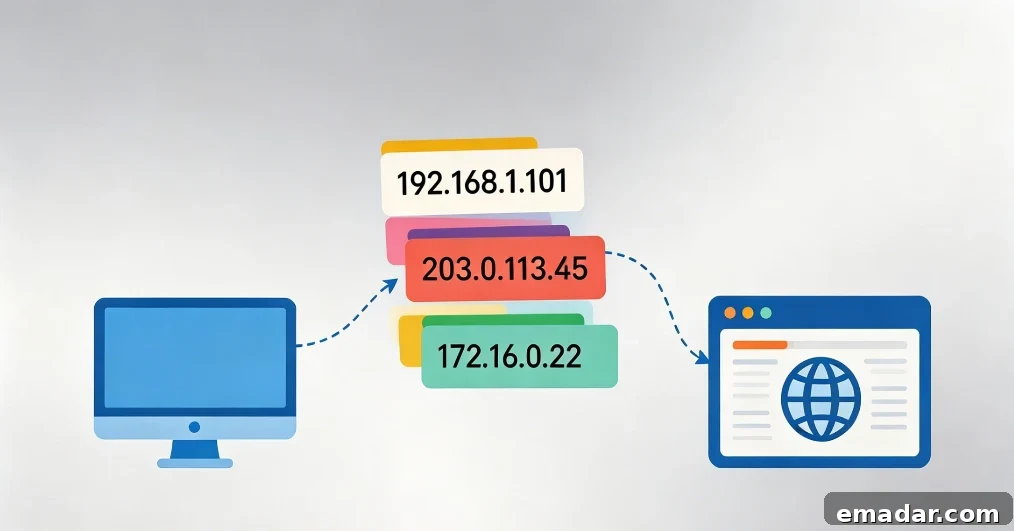
What is HTTPX? Core definition and primary features
HTTPX is a full-featured, modern HTTP client for Python 3.8+ designed as a direct Requests alternative while embracing contemporary web standards and concurrency. It maintains near 100% API compatibility with Requests, making migration straightforward, and adds powerful capabilities that enable more efficient and resilient HTTP workflows.
Key features that make HTTPX stand out
HTTPX delivers the features developers expect from a modern HTTP client, along with several industry-leading innovations:
- Dual synchronous/asynchronous API: Write simple synchronous code or switch to async/await for high-concurrency workloads without rewriting request logic.
- Native HTTP/2 support: Automatic HTTP/2 negotiation reduces latency through multiplexing and header compression for faster, more efficient requests.
- Complete type hints: Full type annotations improve IDE support and static analysis, reducing runtime errors in production code.
- Built-in authentication and security: Native support for common auth methods (basic, digest, OAuth, bearer tokens) and robust TLS and certificate handling.
- Advanced proxy support: Native compatibility with authenticated HTTP, HTTPS, and SOCKS5 proxies, enabling easy integration with proxy services.
- Granular timeouts and retry logic: Fine-grained control over connect, read, and write timeouts with configurable retry strategies.
- WebSocket support: Experimental but functional WebSocket client for real-time communication workflows.
These capabilities make HTTPX a versatile client that can handle everything from simple one-off requests to large-scale, production-grade distributed systems.
HTTPX vs Requests: Why HTTPX is the right choice in 2026
Requests remains common in legacy codebases, but HTTPX is the preferred choice for new Python projects. The following comparisons highlight why HTTPX better suits modern development:
| Feature | Requests | HTTPX |
| Async support | Not native (requires third-party libraries) | Native dual-mode (sync/async) API |
| HTTP/2 support | No | Automatic native negotiation |
| Type hints | Partial | Complete type annotations |
| Proxy support | Basic HTTP/HTTPS | Authenticated HTTP/HTTPS/SOCKS5 support |
| Timeout control | Global only | Per-request fine-grained timeouts |
| Connection pooling | Basic | Advanced pooling with HTTP/2 multiplexing |
For any new project, HTTPX is the superior option. Even migrating an existing Requests codebase is straightforward and typically yields immediate improvements in performance and reliability.
High-impact use cases for HTTPX
HTTPX’s flexibility makes it suitable across a wide range of Python HTTP workflows, from simple scripts to enterprise systems. Below are some of the most impactful scenarios where HTTPX excels.
Asynchronous API integrations
Modern SaaS APIs often require handling many concurrent requests to fetch large datasets or trigger parallel operations. HTTPX’s async API enables developers to fire hundreds of parallel requests without thread or process overhead, significantly reducing execution time. For example, a marketing automation tool can fetch data from 100 different API endpoints in seconds rather than minutes using HTTPX async capabilities.
Large-scale web scraping and data extraction
Web crawlers need fast, reliable requests that can bypass anti-bot systems while handling high throughput. HTTPX’s HTTP/2 support reduces request latency, and its async API allows efficient concurrent crawling. Paired with proper proxy configuration, HTTPX becomes the foundation of a modern Python scraping pipeline.
Microservice communication
In distributed systems built with FastAPI, Django REST Framework, or other Python frameworks, HTTPX is a strong choice for inter-service communication. Connection pooling reduces overhead, and type hints promote type safety across service boundaries. Async HTTPX fits particularly well in event-driven microservice architectures.
Automated testing and CI/CD pipelines
HTTPX is widely used for testing web applications and APIs. Its simple API makes integration tests easy to write, and async support enables testing of real-time applications. HTTPX integrates well with pytest and other testing frameworks, making it a staple in modern Python CI/CD workflows.
Real-time data processing
For applications requiring near-real-time data — such as market monitoring, social media analysis, or IoT device management — HTTPX’s async API and WebSocket support enable low-latency data collection and processing.
Common production challenges with HTTPX (and remedies)
Although HTTPX removes many client-side limitations, it cannot address network-layer problems that impact all web requests. The following issues commonly cause HTTPX code to fail in production:
IP bans and anti-bot detection
Most modern sites and APIs use anti-bot systems to block automated traffic. Even perfectly formed request headers and behavior can be blocked if many requests originate from the same IP. HTTPX does not provide built-in IP rotation or anti-detection tools.
Geographic restrictions
Many APIs and websites restrict requests to specific countries or regions. If your HTTPX code runs from a restricted location, valid requests may still return 403 Forbidden errors.
Connection timeouts and instability
Unstable networks, overloaded servers, and long-distance routing can cause frequent timeouts and failed requests. While HTTPX supports retries, persistent network instability still disrupts workflows and reduces reliability.
Concurrency limits
Most APIs impose strict rate limits per IP. Even with async HTTPX, high concurrency from a single IP will quickly hit these limits, causing throttling or temporary bans.
TLS fingerprinting
Advanced anti-bot systems use TLS fingerprinting to identify automated clients. Even with correct headers and cookies, HTTPX’s default TLS signature might be flagged as suspicious.
These network-layer challenges require network-layer solutions: an enterprise proxy platform that integrates seamlessly with HTTPX.
IPFLY proxies: powering production HTTPX workflows
IPFLY’s enterprise proxy ecosystem integrates natively with HTTPX to provide IP rotation, global geographic access, stable connections, and anti-detection features. With a few lines of configuration, you can transform fragile HTTPX prototypes into production-grade, highly available systems.
How to integrate IPFLY proxies with HTTPX
Adding one configuration line is enough to route HTTPX traffic through IPFLY proxies. The simple examples below show synchronous and asynchronous usage of HTTPX with authenticated proxies.
Synchronous HTTPX with IPFLY proxies
import httpx

proxies = {"http://": "http://your-ipfly-username:[email protected]:10000","https://": "http://your-ipfly-username:[email protected]:10000"}
with httpx.Client(proxies=proxies, timeout=10) as client:
    response = client.get("https://api.example.com/data")
    print(response.json())
Asynchronous HTTPX with IPFLY proxies
import httpx
import asyncio

proxies = {"http://": "http://your-ipfly-username:[email protected]:10000","https://": "http://your-ipfly-username:[email protected]:10000"}

async def main():
    async with httpx.AsyncClient(proxies=proxies, timeout=10) as client:
        response = await client.get("https://api.example.com/data")
        print(response.json())

asyncio.run(main())
This minimal integration brings IPFLY’s proxy network features into your HTTPX workflow, addressing common production issues at the network layer.
IPFLY proxy types optimized for HTTPX workflows
IPFLY offers three dedicated proxy types, each optimized for different HTTPX scenarios:
Static residential proxies for long-term stable API access
Static residential proxies use ISP-assigned, persistent residential IPs that simulate real home networks. Each IP is dedicated to a single user, supports unlimited traffic, and works with HTTP/HTTPS/SOCKS5 protocols.
Best for: Long-term API integrations, authenticated requests, and account-based access with HTTPX. Fixed residential IPs preserve session consistency, avoiding re-authentication loops and IP bans — ideal for microservice communication and enterprise API integrations requiring a stable IP identity.
Dynamic residential proxies for large-scale scraping
Dynamic residential proxies draw from a global pool of tens of millions of real user IPs, support per-request or scheduled rotation, respond in milliseconds, and handle extremely high concurrency.
Best for: HTTPX crawling pipelines and bulk API requests. Automatic IP rotation mitigates rate limits and bans while real residential IPs bypass anti-bot systems. Unlimited concurrency supports thousands of simultaneous async requests for large-scale data extraction.
Datacenter proxies for high-speed internal operations
Datacenter proxies provide dedicated, static IPs with industry-leading speeds and low latency. They include unlimited traffic, global location choices, and broad protocol compatibility.
Best for: Internal testing, CI/CD pipelines, and high-speed, non-sensitive HTTPX requests. Low-latency connections ensure fast test execution, and dedicated IPs avoid risks associated with shared IP misuse.
Core technical advantages IPFLY offers HTTPX users
- Strict IP filtering: Every IP undergoes multi-layer filtering to ensure clean reputation and removal of blacklisted addresses, reducing immediate request failures.
- Global coverage: Coverage in 190+ countries with city-level targeting enables routing requests from specific geographies to bypass regional restrictions.
- Unlimited concurrency: High-performance infrastructure supports thousands of concurrent async requests without throttling.
- 99.9% uptime: Stable connectivity minimizes timeouts and failures so your HTTPX code runs reliably around the clock.
- Full protocol support: Native HTTP/HTTPS/SOCKS5 compatibility integrates seamlessly with HTTPX’s proxy features.
- Advanced anti-detection: Residential IPs with browser-like TLS fingerprints help bypass modern anti-bot systems that flag automated clients.
Best practices for production-grade HTTPX workflows
Combine IPFLY proxies with the following best practices to build reliable, scalable HTTPX systems:
- Use async for high-concurrency loads: Exploit HTTPX’s async API to maximize throughput for crawling and bulk API requests.
- Implement exponential backoff retries: Add retry logic with exponential backoff to handle transient network errors and rate limits gracefully.
- Rotate user agents and headers: Vary user agents and other headers to simulate different browsers and reduce fingerprinting risk.
- Throttle request rates: Respect rate limits even when using rotating proxies to maintain good IP reputation.
- Reuse clients and connection pools: Keep HTTPX Client/AsyncClient instances alive to benefit from connection pooling and lower overhead.
- Monitor request performance: Track response times, error rates, and IP reputation so you can detect and address issues before they impact production.
HTTPX + IPFLY = production-ready Python HTTP workflows
HTTPX has replaced Requests as the modern standard Python HTTP client, offering native async support, HTTP/2 compatibility, complete type hints, and a familiar, intuitive API. It meets the client-side needs for building powerful, efficient web applications but cannot by itself solve network-layer challenges common in production environments.
IP bans, geographic restrictions, unstable connections, and anti-bot detection require network-level solutions. IPFLY’s enterprise proxy ecosystem integrates with HTTPX to provide IP rotation, global geographic access, stable connectivity, and anti-detection capabilities. Whether building API integrations, scraping pipelines, or microservice communication systems, IPFLY helps ensure HTTPX code remains reliable at scale.
For Python developers building production web applications in 2026, the combination of HTTPX and IPFLY offers a dependable, high-performance, and scalable HTTP workflow standard.
Sign up for an IPFLY account to improve your HTTPX workflows with stable, high-performance proxy servers. Choose static residential proxies for long-term API access, dynamic residential proxies for large-scale scraping, or datacenter proxies for high-speed testing — all backed by 99.9% uptime, global coverage, and unlimited concurrency support.