
In the rapidly evolving world of Artificial Intelligence, the focal point has shifted dramatically. Once dominated by “generative content,” the discourse and development are now centered around a more **action-oriented** paradigm: the **AI Agent**. These intelligent entities are transforming the way we interact with technology, moving beyond mere question-answering systems to autonomous task executors.
From automatically writing complex code and independently completing intricate tasks to orchestrating seamless, cross-platform workflows, AI is undergoing a profound upgrade. It’s no longer just about generating responses; it’s about executing missions, making decisions, and autonomously driving processes. This evolution signifies a monumental leap towards truly intelligent automation.
However, amidst this burgeoning excitement surrounding AI Agents, a significant and often overlooked challenge has come to light:
While AI can brilliantly plan sophisticated tasks, the efficiency and reliability of their execution often fall short.
This challenge is particularly pronounced in the critical domain of **automated data scraping**. Many development teams and organizations deploying AI Agents are encountering persistent hurdles:
- Scraping tasks frequently terminate unexpectedly.
- Collected data proves to be incomplete or fragmented.
- Requests are often rate-limited or outright blocked by target platforms.
- Automated workflows struggle to sustain long-term, uninterrupted operation.
Crucially, these inefficiencies are rarely attributable to a lack of capability within the AI itself. Instead, the **execution environment** has emerged as the primary bottleneck, hindering the full potential of AI-driven automation.
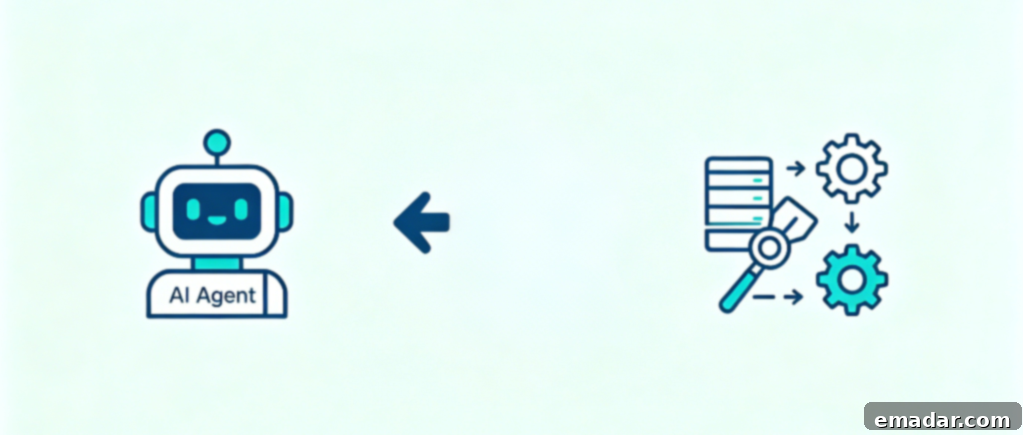
Why AI Agents Critically Depend on Automated Data Scraping
At the core of every high-performing AI Agent lies a robust, reliable, and continuous supply of data. This data acts as the lifeblood, informing decisions, enabling learning, and validating actions. Without a consistent influx of relevant and accurate information, an AI Agent’s ability to operate effectively is severely compromised. Therefore, automated data scraping isn’t just a supplementary tool; it’s a foundational pillar for modern AI Agent architectures.
Data as the Foundation for AI Agent Execution
Within any sophisticated AI Agent architecture, efficient data acquisition has become an indispensable component. The success of an AI Agent hinges on its access to timely and comprehensive datasets. Consider these essential scenarios where data scraping plays a pivotal role:
- **Acquiring Real-time Market Data:** For financial AI Agents or market analysis tools, up-to-the-minute data on stock prices, trends, and news is non-negotiable for informed decision-making.
- **Gathering Competitive Intelligence:** AI Agents designed for competitive analysis rely on continuously scraping competitor websites for pricing, product updates, promotions, and market positioning.
- **Collecting Training Data for Model Refinement:** To continuously improve and adapt, AI models require vast, diverse, and fresh datasets. Automated scraping provides the necessary fodder for ongoing training and fine-tuning.
- **Monitoring Platform Changes and Compliance:** AI Agents can monitor websites for changes in policies, product availability, or regulatory updates, ensuring businesses remain compliant and proactive.
Ultimately, the equation is simple yet profound:
Without a stable and continuous data source, the reliable execution capabilities of any AI Agent are severely compromised.
Scraping Efficiency Directly Impacts AI Performance and Reliability
The stability and efficiency of the data scraping process directly correlate with the overall performance and dependability of an AI Agent. When the data acquisition phase is unstable or inefficient, it triggers a cascade of detrimental effects throughout the entire AI system, undermining its core purpose:
- **AI Decisions Based on Flawed or Missing Data:** An AI Agent making critical decisions on incomplete, outdated, or erroneous data can lead to poor outcomes, misinterpretations, and incorrect automated actions.
- **Frequent Failures in Automated Workflows:** If data feeds are interrupted or unreliable, the AI Agent’s automated processes will frequently stall or fail, requiring manual intervention and disrupting operations.
- **Increased System Maintenance and Operational Costs:** Troubleshooting data scraping issues, manually verifying data integrity, and rerunning failed tasks consume significant time, resources, and increase overall operational overhead.
- **Reduced Trust and Adoption:** Inconsistent performance due to data issues erodes user trust in the AI Agent’s capabilities, potentially leading to lower adoption rates and failure to achieve business objectives.
Therefore, enhancing the efficiency and reliability of AI automated data scraping is not merely a technical optimization; it is a critical strategic imperative for the successful deployment and sustained operation of AI Agents in real-world applications.
The Underlying Challenges in Boosting AI Automated Scraping Efficiency
Despite the clear necessity, achieving consistent and efficient automated data scraping for AI Agents remains a complex endeavor. The internet, designed for human interaction, presents numerous barriers to high-volume, programmatic data extraction. Understanding these obstacles is the first step toward overcoming them.
Evolving Platform Anti-Scraping Mechanisms
Modern websites and online platforms have invested heavily in sophisticated anti-bot and anti-scraping technologies. These advanced defense mechanisms are constantly evolving, making it increasingly difficult for automated systems to operate undetected. Key defensive strategies include:
- **IP Access Frequency Monitoring:** Websites track the number of requests originating from a single IP address within a given timeframe. Excessive requests often trigger alarms, leading to temporary or permanent bans.
- **Behavioral Pattern Analysis:** Advanced systems analyze user behavior beyond just IP addresses. They look for patterns indicative of bots, such as unusually fast browsing, lack of mouse movements, absence of cookie management, or highly repetitive request sequences.
- **Geographical and Regional Access Identification:** Some platforms restrict content or services based on geographical location. If an IP address doesn’t match the expected region for certain data, access can be denied or altered.
- **CAPTCHA Challenges and JavaScript Rendering:** Many sites employ CAPTCHAs, reCAPTCHAs, or require extensive JavaScript execution to render content, posing significant challenges for traditional scraping tools.
When these systems detect suspicious or non-human activity, they typically respond with countermeasures, significantly impacting scraping efforts:
- **Restricting Access:** The most common response is to block the offending IP address, preventing further data retrieval.
- **Returning Incomplete or Obfuscated Data:** Instead of a full block, some sites may return partial, incorrect, or heavily obfuscated data to mislead scrapers.
- **Implementing Additional Verification Processes:** Users might be subjected to CAPTCHA challenges or login prompts, forcing manual intervention and halting automation.
- **Soft Bans or Throttling:** The website might subtly slow down responses or return empty pages without explicitly blocking the IP, making it hard to diagnose the issue.
The Bottleneck of a Single IP Environment
Traditional data scraping approaches often rely on a limited number of static IP addresses, which inevitably becomes a major point of failure when dealing with modern anti-bot measures. This centralized approach creates several critical vulnerabilities:
- **Requests Concentrated on Few IPs:** When all scraping requests originate from a small pool of IP addresses, it quickly creates a recognizable pattern that sophisticated bot detection systems can easily identify.
- **Rapid Blocking and Banishment:** Sustained, high-volume requests from a single IP address are almost guaranteed to trigger platform defenses, leading to prompt blacklisting or outright bans.
- **Discontinuous and Unreliable Scraping Processes:** Once an IP is blocked, the scraping task halts. This necessitates manual intervention to switch IPs, reset connections, or wait for bans to expire, breaking the continuity of automated workflows.
- **Inability to Scale:** A single IP environment simply cannot handle the scale and speed required for comprehensive data collection across numerous targets or at high frequencies without immediate detection.
Ultimately, these limitations lead to a critical problem:
Tasks are repeatedly interrupted, making it virtually impossible to achieve sustainable and high-level scraping efficiency for AI Agents.

How IPFLY Elevates AI Automated Data Scraping Efficiency
Addressing the challenges of sophisticated anti-bot systems and the limitations of single IP environments requires a specialized solution. IPFLY emerges as a powerful ally for AI Agents, providing the infrastructure necessary to navigate these obstacles and ensure continuous, high-fidelity data acquisition.
Building a More Authentic Network Access Environment
For AI automated execution, the “authenticity” of the network access environment is paramount. IPFLY achieves this by leveraging a vast network of global residential IP addresses. Unlike data center IPs, residential IPs are assigned by Internet Service Providers (ISPs) to real homes and users, making scraping requests appear as genuine user interactions. This strategic advantage yields significant benefits:
- **Reduced Detection Probability:** Requests originating from residential IPs are far less likely to be flagged by anti-bot systems, as they blend in with regular user traffic, effectively mimicking human browsing patterns.
- **Increased Access Success Rates:** By appearing as legitimate users, AI Agents experience significantly higher success rates in accessing target websites and retrieving the desired data without encountering blocks or CAPTCHAs.
- **Ensured Data Acquisition Continuity:** With a reduced risk of being detected and blocked, the data flow remains largely uninterrupted, ensuring that AI Agents receive a consistent stream of information crucial for their continuous operation.
Supporting Dynamic IP Rotation Mechanisms
High-frequency data scraping tasks, especially those requiring large volumes of data from numerous sources, are particularly vulnerable to IP bans. IPFLY directly counters this threat through its intelligent dynamic IP rotation mechanism:
- **Automatic IP Address Changes:** IPFLY automatically cycles through its vast pool of residential IPs, assigning a new IP address to each request or at predetermined intervals. This prevents any single IP from accumulating suspicious activity.
- **Distributed Request Pressure:** By rotating IPs, the system effectively disperses the request load across thousands of different IP addresses. This distribution prevents any one IP from being overwhelmed or easily identified as a bot.
- **Significantly Reduced Ban Risk:** The continuous rotation dramatically lowers the probability of individual IP addresses being detected, rate-limited, or permanently banned by target websites, ensuring long-term scraping viability.
This dynamic capability is exceptionally vital for AI Agents that require continuous, uninterrupted data feeds to execute their tasks effectively and consistently over extended periods.
Providing Global Multi-Node Capabilities
For AI Agents engaged in international market analysis, competitive intelligence across different regions, or global content monitoring, geographical access becomes a critical factor. IPFLY’s extensive global network addresses this need directly:
- **Multi-Country IP Access:** IPFLY offers a broad selection of IP addresses spanning numerous countries and regions worldwide, allowing AI Agents to originate requests from specific geographic locations.
- **Localized Data Acquisition:** This capability enables AI Agents to access region-specific content, local search results, and localized product information, providing a truly global perspective that a single-region IP cannot.
- **Distributed Task Execution:** Complex scraping tasks can be distributed across various geographical nodes, enhancing speed, efficiency, and resilience while minimizing the risk of localized blocks.
By offering comprehensive global reach, IPFLY empowers AI Agents to gather more complete, geographically relevant datasets, leading to richer insights and more informed decision-making for businesses operating on a global scale.
Strategic Approaches to Optimize AI Scraping Workflows with IPFLY
Leveraging IPFLY effectively goes beyond simply integrating proxy services. It involves strategic planning and thoughtful implementation of best practices to maximize scraping efficiency, ensure data integrity, and maintain long-term operational stability for AI Agents. By combining IPFLY’s robust infrastructure with intelligent workflow design, organizations can unlock unprecedented levels of automation.
Building a Distributed Scraping Architecture
To fully capitalize on IPFLY’s capabilities, AI Agent execution should move away from monolithic scraping processes towards a distributed architecture. This approach not only enhances efficiency but also builds in resilience and scalability:
- **Multi-IP Parallel Execution:** Configure AI Agents to execute multiple scraping tasks concurrently, each utilizing a different IP address from IPFLY’s pool. This parallel processing drastically reduces overall scraping time for large datasets.
- **Region-Specific Data Collection:** For tasks requiring localized data (e.g., market prices in different countries), assign specific geographical IPs from IPFLY’s network to relevant sub-tasks. This ensures accurate and compliant data retrieval.
- **Task-Based IP Assignment:** Break down complex scraping projects into smaller, independent tasks. Each task can then be assigned its own dedicated set of rotating IPs, minimizing the impact if one particular task or IP faces temporary restrictions.
- **Load Balancing and Fallback:** Implement a load-balancing mechanism to intelligently distribute requests across available IPs. Furthermore, design a fallback strategy where if an IP fails, the system automatically switches to another available IP, ensuring uninterrupted service.
Such a distributed structure significantly boosts overall efficiency, scalability, and the fault tolerance of AI Agent data acquisition processes.
Designing a Prudent IP Usage Strategy
Not all scraping tasks are created equal, and neither are all IP types. A nuanced IP strategy, tailored to the specific demands of each AI Agent task, is crucial for optimizing resource utilization and maximizing success rates:
- **High-Frequency Data Scraping → Dynamic Residential Proxies:** For tasks requiring continuous, rapid-fire requests that mimic human browsing, dynamic residential IPs are ideal. Their constant rotation makes detection difficult for even sophisticated anti-bot systems.
- **Long-Term, Persistent Monitoring → Static Residential Proxies:** When an AI Agent needs to maintain a consistent identity for extended periods (e.g., managing accounts, tracking user-specific content), static residential IPs offer the stability required, appearing as a single, consistent user.
- **High-Concurrency, Non-Sensitive Data → Data Center Proxies:** For massive-scale data acquisition from less protected or public sources where speed and concurrency are prioritized over anonymity, data center proxies can be a cost-effective choice. However, they are more easily detected by advanced anti-bot systems.
Thoughtful IP configuration minimizes resource wastage, reduces costs, and significantly enhances the stability and success rate of your AI Agent’s data acquisition efforts.
Optimizing Scraping Behavior Logic
While a robust proxy service like IPFLY provides an unparalleled network environment, it’s equally important to refine the actual behavior of your AI Agent’s scraping logic. Combining smart network management with human-like behavioral patterns creates the most resilient scraping system:
- **Control Request Frequency and Timing:** Avoid sending requests in rapid, uniform bursts. Introduce random delays between requests to mimic human browsing behavior, making your AI Agent appear less like a bot.
- **Mimic Realistic User Navigation Paths:** Instead of directly jumping to target pages, program the AI Agent to navigate through a website naturally (e.g., clicking on links, scrolling, visiting multiple pages). This builds a more legitimate “user session.”
- **Manage Cookies and Sessions:** Properly handle cookies and maintain session information. Many websites use cookies to track user activity, and a bot that doesn’t manage them realistically is easily identified.
- **Avoid Redundant or Excessive Requests:** Only fetch the data you need. Unnecessary requests increase the footprint of your AI Agent and heighten the risk of detection. Cache data where appropriate to reduce repeat requests.
- **Handle Errors Gracefully:** Implement robust error handling for HTTP errors, CAPTCHAs, or unexpected page structures. Rather than failing entirely, the AI Agent should be able to retry, switch IPs, or adapt its parsing logic.
These behavioral optimizations, when integrated with IPFLY’s advanced proxy solutions, significantly elevate scraping success rates and ensure the long-term sustainability of your AI Agent’s data acquisition operations.
Practical Application Scenarios for AI Agents with IPFLY
The synergy between advanced AI Agents and robust data acquisition facilitated by IPFLY opens up a multitude of transformative applications across various industries. These scenarios demonstrate how stable and comprehensive data feeds empower AI to deliver actionable insights and automate complex operations.
E-commerce Data Monitoring and Competitive Analysis
In the highly competitive e-commerce landscape, real-time data is a significant advantage. AI Agents, powered by IPFLY’s residential proxies, can autonomously:
- **Capture Dynamic Product Pricing:** Continuously monitor competitors’ pricing strategies across various e-commerce platforms, enabling rapid price adjustments to maintain competitiveness.
- **Analyze Competitor Product Changes and Launches:** Automatically detect new product listings, feature updates, and promotional campaigns launched by competitors, providing immediate market intelligence.
- **Monitor Inventory Levels and Stock Availability:** Track stock levels for popular products, identify potential supply chain issues, or discover opportunities based on competitor shortages.
- **Track Customer Reviews and Sentiment:** Scrape customer reviews to understand market sentiment, identify product strengths and weaknesses, and inform product development or marketing strategies.
By providing a stable and undetectable IP environment, IPFLY ensures that e-commerce AI Agents can gather this crucial data consistently and without interruption, fueling dynamic pricing models, predictive analytics, and proactive competitive strategies.
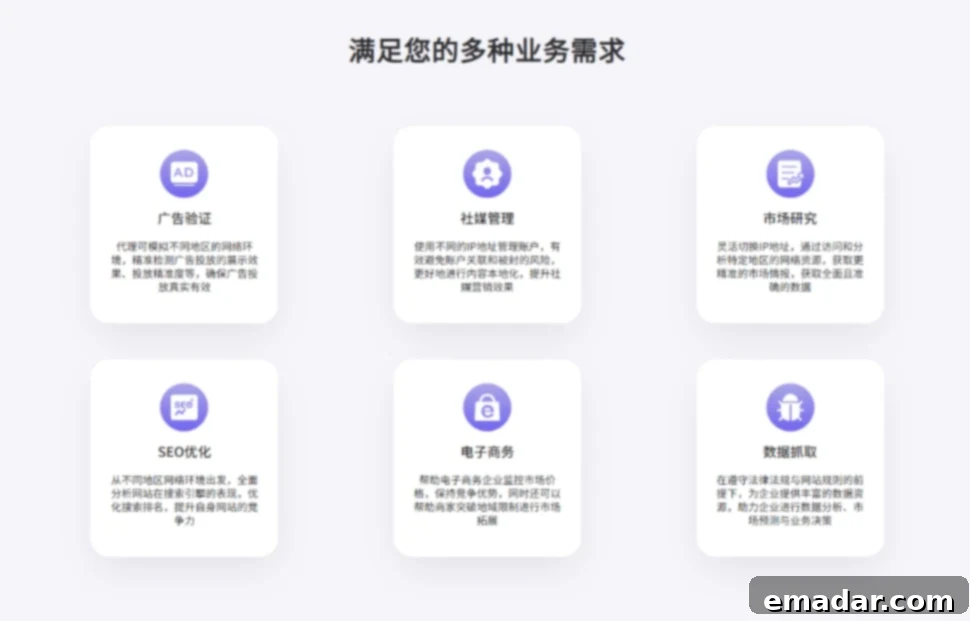
AI Model Training Data Acquisition
The quality and quantity of data are paramount for training powerful and accurate AI models, whether for natural language processing, computer vision, or predictive analytics. IPFLY enables AI Agents to gather the diverse datasets required for robust model development:
- **Content Data Aggregation:** Collect vast amounts of text, images, or video content from various online sources to train generative AI models, sentiment analysis tools, or content recommendation systems.
- **User Behavior Data Collection:** Scrape anonymized user interaction data (e.g., clicks, scrolls, form submissions) to train models that predict user behavior, optimize UI/UX, or personalize experiences.
- **Industry Trend Information:** Gather data from industry reports, news articles, and forums to train AI models capable of identifying emerging trends, risk factors, or investment opportunities.
A stable and high-volume data acquisition capability directly translates into higher quality and more performant AI models, reducing the bias and improving the generalization ability of the AI.
Global Market Analysis and Business Intelligence
For multinational corporations or businesses targeting international markets, understanding regional nuances is key. IPFLY’s global multi-node capability allows AI Agents to perform comprehensive international market research:
- **Regional Data Comparison and Trend Spotting:** Compare product availability, pricing, consumer preferences, and regulatory environments across different countries to identify regional opportunities or challenges.
- **Local Search Result Analysis:** Access and analyze search engine results pages (SERPs) from specific geographical locations to understand local SEO performance, competitor visibility, and localized content strategies.
- **Advertising Campaign Verification:** Verify the delivery and display of online advertisements in target regions, ensuring campaigns are running as intended and reaching the intended audience.
- **Geo-Specific News and Sentiment Tracking:** Monitor local news sources and social media in different languages to gauge public sentiment, track political developments, or identify emerging local trends relevant to business operations.
This localized data access empowers enterprises to make more precise, data-driven decisions tailored to specific regional markets, providing a significant competitive edge.
The Indispensable Value of IPFLY in the AI Agent Ecosystem
In the complex and dynamic ecosystem of AI Agents, IPFLY transcends the conventional role of a mere network utility. It integrates as a fundamental and critical component of the AI Agent’s execution layer, serving as the essential bridge between cognitive ability and real-world interaction.
IPFLY’s contribution is multifaceted and indispensable:
- **Sustaining Automated Task Execution:** It provides the uninterrupted network access that allows AI Agents to perform their automated duties continuously, from data collection to workflow orchestration.
- **Delivering a Stable and Undetectable Access Environment:** By offering residential IPs and dynamic rotation, it ensures that AI Agents can interact with diverse online platforms without triggering anti-bot mechanisms.
- **Mitigating Execution Failure Risks:** It dramatically reduces the probability of IP blocks, rate limits, and data incompleteness, thereby minimizing task failures and the need for costly manual interventions.
- **Enabling Scalability and Global Reach:** Its extensive global network allows AI Agents to scale their data acquisition efforts across geographies and volumes, catering to the most ambitious AI initiatives.
Ultimately, IPFLY serves as:
The critical conduit connecting the sophisticated capabilities of AI with the rich, diverse, and often protected data of the real world.
Without such a robust and reliable connection, even the most intelligent AI Agent would remain isolated, its potential for impactful real-world execution severely curtailed.
FAQ: Common Questions About AI Automated Scraping and IPFLY
Addressing common misconceptions and practical concerns can help organizations better understand the role of execution environments in AI Agent success.
Q1: If my AI Agent’s scraping efficiency is low, is it primarily an issue with the AI model itself?
Not entirely. While the AI model’s design and optimization are crucial for interpretation and decision-making, in the context of data scraping, low efficiency is more often attributed to the network environment. Issues such as the AI’s IP address being identified as suspicious, requests being frequently rate-limited, or connections being blocked are common culprits. These are external factors affecting the execution layer, not necessarily a reflection of the AI model’s core intelligence or capability.
Q2: Why does scraping faster sometimes lead to lower overall efficiency?
While intuition might suggest that faster requests lead to more data, the opposite is often true in automated scraping. Sending requests too quickly or in rapid, uniform bursts is a tell-tale sign of bot activity for website anti-scraping systems. This aggressive behavior quickly triggers platform defenses, leading to immediate rate limits, CAPTCHA challenges, or IP bans. These countermeasures result in an increase in failed requests, more retries, and extended downtime, ultimately diminishing the overall efficiency. **Stable, measured, and human-like request patterns, often facilitated by IP rotation, are consistently more effective for long-term data acquisition than short bursts of high-speed activity.**
Q3: What specific problems does IPFLY primarily solve in AI data acquisition?
IPFLY addresses critical challenges at the “execution layer” of AI automated data acquisition. Its primary contributions include:
- **Providing a Stable and Undetectable Access Environment:** By offering a vast network of residential proxies, IPFLY ensures that AI Agent requests blend in with regular user traffic, minimizing the risk of detection.
- **Reducing IP Identification and Blocking Risks:** Through dynamic IP rotation and a diverse pool of IPs, IPFLY effectively circumnavigates anti-bot measures, allowing continuous data flow.
- **Enabling Multi-Node and Concurrent Scraping:** IPFLY’s global network allows AI Agents to execute numerous scraping tasks simultaneously from various geographic locations, enhancing both speed and data breadth.
- **Boosting Automated Task Success Rates:** By tackling the underlying network obstacles, IPFLY significantly improves the reliability and completion rate of AI-driven data acquisition workflows.
From a systemic perspective, IPFLY functions as a fundamental component, akin to the **infrastructure layer for AI automation processes**, ensuring that the AI has the reliable, real-world access it needs to thrive.
Conclusion: Empowering AI Agents Through a Robust Execution Environment
In the rapidly accelerating landscape of AI Agent development and deployment, automated data scraping has undeniably emerged as a foundational capability. The power of an AI Agent to automate, decide, and execute complex tasks is directly proportional to its ability to reliably and efficiently acquire real-world data. Without a stable and effective data pipeline, even the most sophisticated AI models are limited in their impact.
Crucially, the enhancement of scraping efficiency is not merely a matter of improving AI models; it is profoundly intertwined with the stability and sophistication of the underlying execution environment. When navigating the intricate web of anti-bot measures and geographical restrictions, the network infrastructure becomes the pivotal factor for success.
If your organization is embarking on the journey of developing or deploying AI Agents, or if you are seeking to optimize existing automated data scraping systems, it is essential to critically examine:
- **The Current Stability and Resilience of Your Scraping Workflows:** How often do tasks fail, and what are the root causes?
- **The Impact of Your Network Environment on Execution Outcomes:** Are IP blocks, rate limits, or incomplete data compromising your AI’s effectiveness?
- **The Rationality and Efficacy of Your Current IP Strategy:** Are you using the right types of IPs, and are they being managed optimally?
By strategically addressing and optimizing these key elements, particularly focusing on the robustness of your execution environment, you can achieve a significant uplift in overall efficiency, data integrity, and the long-term sustainability of your AI-driven automation initiatives.
Indeed, pursuing breakthroughs by first optimizing the execution environment often yields more immediate and profound results than solely focusing on incremental improvements to AI models, paving the way for truly empowered and effective AI Agents in the real world.