
Claude 3.5 / Claude 4 Phone Number Verification Failed: Understanding and Resolving the Issue
Are you encountering persistent “Phone Number Verification Failed” errors when trying to register for Claude 3.5 or Claude 4? Many users find themselves in a loop of changing phone numbers, refreshing pages, and even re-registering accounts, only to be met with the same frustrating outcome. This isn’t just bad luck; it signifies that Anthropic, the company behind Claude, has implemented stricter environmental risk control measures during the registration process.
Understanding these measures is more crucial than blindly attempting various solutions.
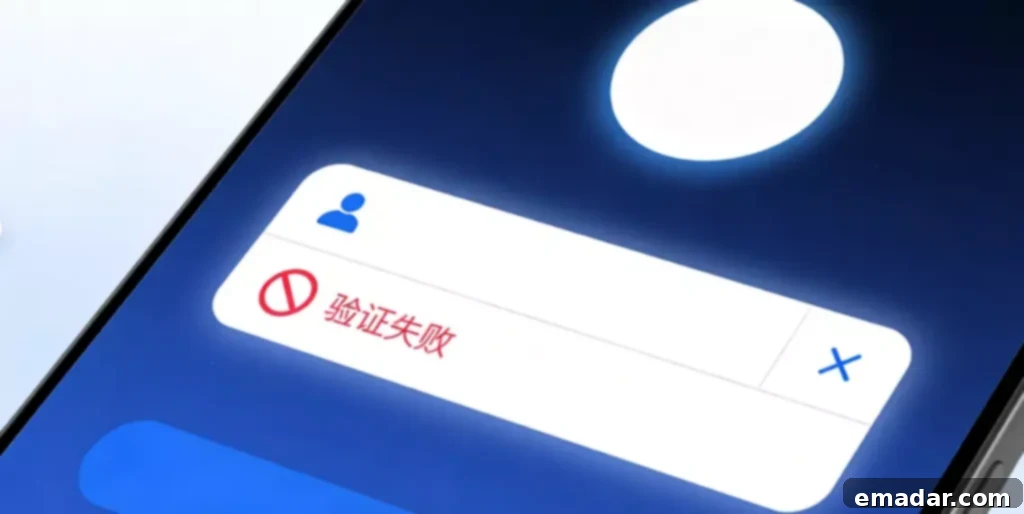
Why Phone Number Verification Fails: It’s About “Registration Entry Trustworthiness”
Many users instinctively assume:
“I’m not receiving the verification code, so it must be a problem with my phone number.”
However, within Claude’s registration system, the phone number is merely the final verification tool, not the primary determinant.
The Underlying Mechanism Explained
Before you even click “Send Verification Code,” the system has already made several critical assessments:
- Is the current access IP address considered a high-risk exit point?
- Does the IP address have a history of frequent registrations or verifications?
- Does the network type align with typical user characteristics?
- Are there any obvious conflicts between the region, language, and time zone?
Therefore, a failed phone number verification is more of an “outcome notification” than the actual source of the problem.
For instance, even if you use a genuine local phone number but access the registration page through a VPN or proxy server (often referred to as an “airport IP”), the system may still block the verification process. This type of failure is essentially the platform rejecting the “entry environment.” The system is designed to assess whether the origin of the registration attempt is deemed trustworthy.
IP Address Reputation: A Commonly Overlooked Culprit
Think of IP address reputation as a “risk score” assigned to your current network environment by the platform.
Factors That Significantly Increase Risk Score
- Using a data center IP address shared by numerous users
- Utilizing free VPNs, proxy servers, or browser-integrated proxies
- Inconsistency between the IP address’s country and the phone number’s country code
- Multiple registration or verification attempts within a short timeframe
Therefore, even if your actions seem perfectly “normal,” the system may terminate the verification process if the IP address itself has a questionable history. An IP address with a history of fraudulent activity, spam, or other malicious behavior will be flagged, leading to registration failures.
Real-World Consequences
- Verification code not sent
- Message indicating the phone number is unusable
- Complete interruption of the registration process
These outcomes appear without explanation to the user. However, in the background, a risk assessment has already been completed.
Why First-Time Registration Often Fails
Claude’s approach to new users isn’t “give them a chance and then observe,” but rather “screen first, then allow.” The system is proactive in identifying potentially risky users and environments.
The Triple Threat of Risks for New Accounts
- New Device
- New IP Address
- New Account
When all three of these factors are present simultaneously, the platform’s risk control threshold tightens significantly. On the other hand, if you attempt to register multiple times unsuccessfully from the same IP address, that IP’s risk score will further escalate, creating a negative feedback loop.
This explains why some users report:
“After the first failure, it’s impossible to register.”
Why Repeatedly Changing Phone Numbers Often Backfires
From the user’s perspective, changing phone numbers seems like a “reasonable attempt at self-help.” However, from the platform’s perspective, it’s actually a red flag for suspicious behavior.
How the Risk Control System Interprets This
- Same IP Address
- Multiple Phone Numbers
- Verification triggered repeatedly in a short period
In risk control models, this pattern typically indicates a “bulk registration attempt.” The system suspects that someone is trying to create numerous accounts, which is a common tactic used by spammers and fraudsters.
For instance, many users, after failing the first time, immediately switch to a different SMS verification service or use another phone number. This often triggers even stricter limitations, potentially even blocking access to the registration page altogether.
The Correct Approach: Fix the Environment First, Then Proceed with Verification
To increase your chances of successful Claude registration, the key isn’t “how many phone numbers you try,” but rather adjusting your registration environment to a reasonable range. Focus on creating a trusted environment rather than cycling through phone numbers.
Characteristics of a Trustworthy Registration Environment
- Stable, dedicated residential network IP address
- Consistency between the IP address’s country and the phone number’s country code
- Not sharing an exit point with a large number of users
- Natural and continuous pace of actions during the registration process
Therefore, in practice, some users first switch to a stable residential network environment and then complete the entire registration process in one go, rather than repeatedly trying and failing in a compromised environment. A residential IP is typically associated with a real home internet connection, which is far more trustworthy than a data center IP.
IP Isolation and Environmental Isolation: Crucial for Claude
Claude’s risk control model places significant importance on “relatedness.” The system looks for connections between accounts and environments.
What the Platform Prioritizes
- Whether multiple accounts originate from the same network exit point
- Whether there are similar registration paths and behaviors
- Whether they share environmental characteristics
If you’ve made multiple attempts from the same IP address, even if subsequent actions are compliant, you may still be affected by historical behavior. The system remembers previous attempts and flags the IP as potentially risky.
Therefore, one account = one relatively isolated environment. This is especially critical during Claude’s registration and early usage stages. Maintaining a clean and consistent environment for each account helps to minimize the risk of flagging and ensures a smoother experience.
Real-World Experience: Details Behind a Successful Registration
Based on actual user experiences, the adjusted registration process typically involves:
- Switching to a clean, stable residential IP address
- Ensuring the IP address region matches the phone number’s country
- Clearing browser cache to avoid interference from historical data
- Completing the registration and verification process in one go, without interruptions or repeated submissions
Users have reported that after completing registration using a stable residential proxy, the verification code sending and verification process are noticeably smoother. For example, some people use residential IP resources provided by services to complete this stage. The core objective isn’t to “bypass restrictions” but to reduce the overall risk score of the IP environment, making the registration behavior more closely resemble that of a real user.
Claude Registration Failure: Essentially an Environmental Compliance Test
From a broader perspective, Claude’s registration mechanism isn’t “blocking users” but rather screening for sustainable environments. The system aims to prevent abusive practices and ensure a fair and secure platform for all users.
- It’s not suitable for frequent attempts
- It doesn’t encourage bulk actions
- It has very low tolerance for abnormal entry points
Therefore, instead of continuously attempting to fix things after failure, it’s better to prepare the environment adequately before the first registration attempt. Invest time and effort in ensuring a clean and trustworthy registration environment.
Frequently Asked Questions (FAQ)
- Claude 3.5 / Claude 4 Phone Number Verification Failed – Is It Always a Phone Number Problem?
No. In most cases, the IP address or overall registration environment is flagged as high-risk.
- Why Does the Success Rate Increase After Switching to a Residential IP?
Because residential IP addresses have historical behavior and network characteristics that more closely resemble real users, and the environmental fraud score is typically lower.
- Is It Mandatory to Use a Local Phone Number for Registration?
Not absolutely, but consistency between the phone number’s country and the IP address region generally makes it easier to pass verification.
- How Long Should I Wait Before Trying Again After a Failed Registration?
It’s recommended to wait at least a while and ensure you’re switching to a clean environment; otherwise, repeated attempts are unlikely to be successful.
- After Successful Registration, Is It Necessary to Maintain Environmental Stability?
It’s recommended to maintain relative stability during the initial usage phase to help reduce subsequent account risks. Avoid using the same account on multiple devices or locations in a short period.