
Unlocking E-commerce Success with Pinterest: A Comprehensive Guide
In the ever-evolving landscape of e-commerce, businesses are constantly seeking new avenues to attract customers and drive sales. While established e-commerce platforms and social media channels remain vital, Pinterest has emerged as a powerful tool for driving traffic and boosting brand visibility. But what is Pinterest, and why is it gaining traction among e-commerce entrepreneurs? Is it a suitable platform for beginners? This article will delve into Pinterest’s core functionalities, unique features, and its practical applications for e-commerce businesses.
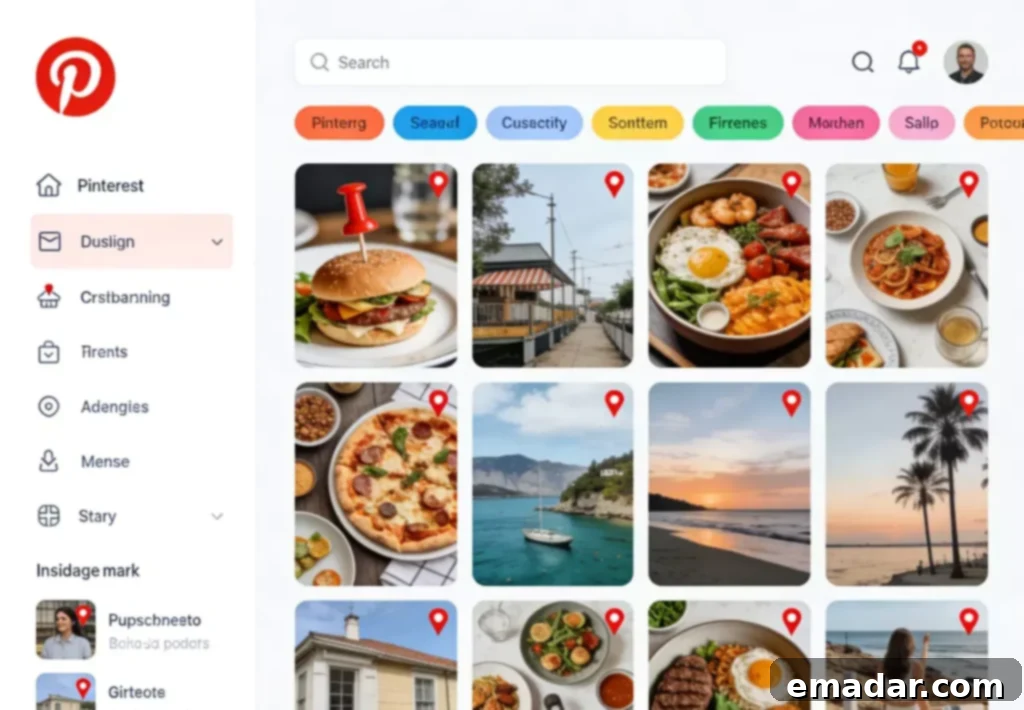
Understanding Pinterest: A Visual Discovery Engine
At its core, Pinterest is a visual discovery platform centered around images and compelling visual content. It’s a place where users come to find inspiration, explore new ideas, and collect things they love. Users can “pin” images, videos, and website content to their personalized boards, creating virtual collections for various interests, projects, and aspirations. Unlike platforms focused on real-time interaction, Pinterest functions as a “visual search engine,” allowing content to be discovered and rediscovered over extended periods.
This characteristic of Pinterest – its long-term discoverability – is precisely what makes it a valuable asset for e-commerce businesses aiming for sustained growth and brand visibility.
Key Features of Pinterest: What Makes It Unique?
To fully grasp the potential of Pinterest, it’s essential to understand its defining features. These features contribute to Pinterest’s distinct appeal and its effectiveness as a marketing tool:
- Extended Content Lifespan: Unlike platforms where content quickly fades into the background, pins on Pinterest can remain visible and discoverable for months, even years. A single compelling image can continue to generate traffic and engagement long after its initial posting.
- Search-Driven Platform: A significant portion of Pinterest users actively search for specific ideas, products, and inspiration. This “active search” behavior ensures that your content is more likely to reach individuals with a genuine interest in what you offer. Users aren’t passively scrolling; they are actively seeking solutions and inspiration.
- Visual Content Dominance: Pinterest thrives on visually appealing content. High-quality images and short videos are the primary drivers of engagement. This visual focus is ideal for showcasing product aesthetics, demonstrating usage scenarios, and inspiring potential customers.
Why Pinterest is Ideal for E-commerce Businesses
Understanding what Pinterest offers within the e-commerce context hinges on recognizing the specific problems it can solve. For e-commerce sellers, Pinterest offers a range of significant advantages:
- Market Research and Trend Identification: Pinterest serves as a valuable resource for identifying emerging trends and gaining insights into customer preferences within overseas markets. By analyzing popular pins and boards, you can gain a deeper understanding of what’s resonating with your target audience.
- Showcasing Product Use Cases: Instead of simply highlighting product features, Pinterest allows you to demonstrate how your products can be integrated into real-life scenarios. This approach helps potential customers visualize themselves using your products, making them more likely to purchase.
- Driving Sustained Traffic to Your Website: Pins can be directly linked to your e-commerce store, product pages, or blog posts. This creates a consistent stream of referral traffic, boosting your website’s visibility and increasing sales opportunities.
Compared to platforms that prioritize fleeting, immediate exposure, Pinterest fosters long-term content development and asset building.
Strategies for Driving Traffic from Pinterest to Your E-commerce Store
When implementing Pinterest strategies, e-commerce businesses typically focus on the following key areas to maximize traffic generation:
- Creating Lifestyle Product Showcase Content: Instead of simply showcasing product photos, create visually compelling content that demonstrates how your products can be used in everyday life. Capture images that evoke emotions and resonate with your target audience’s aspirations. This type of content is more likely to be saved and shared, expanding its reach.
- Strategic Keyword Integration: Pinterest functions as a search engine, so optimizing your pins and boards with relevant keywords is essential. Conduct keyword research to identify the terms your target audience is using and incorporate them into your titles, descriptions, and board names. This will improve your content’s visibility in search results.
- Driving Traffic to External Pages: Link your Pinterest content directly to your e-commerce store, blog posts, or other relevant online destinations. This will create a seamless user experience and encourage visitors to explore your brand further. Consider using call-to-action phrases in your pin descriptions to encourage clicks.
Pinterest Best Practices for New E-commerce Sellers
Now that you understand the essence of Pinterest and its relevance for e-commerce, here are a few essential tips for new sellers to consider:
- Prioritize Quality Over Quantity: Instead of flooding Pinterest with numerous pins, focus on creating high-quality, visually appealing content that resonates with your target audience. A few well-crafted pins can be more effective than a large number of mediocre ones.
- Maintain Consistent Visual Branding: Develop a cohesive visual style for your Pinterest content. Use consistent color palettes, fonts, and imagery to create a recognizable brand identity. This will help users easily identify your pins and associate them with your brand.
- Organize Your Boards for Clarity: Create clearly defined boards that reflect the different themes and categories of your products. This will make it easier for users to find the content they’re looking for and understand the scope of your offerings.
These fundamental practices will help you navigate the initial stages of Pinterest marketing more effectively.
Managing Multi-Account Access for E-commerce Teams
In the daily operations of e-commerce, sellers often manage multiple accounts across various international platforms, necessitating a reliable and secure access environment. Some teams opt for proxy service providers (such as IPFLY) to ensure consistent and stable access when researching and engaging with platforms like Pinterest.
The Long-Term Value of Pinterest for E-commerce Content
For e-commerce businesses, Pinterest is not a quick fix but a long-term investment in content development. By consistently publishing visually engaging content related to your products, you can gradually build a valuable content library that attracts potential customers and drives traffic over time. Many teams also leverage services like IPFLY to manage access requirements across different regions, optimizing overall operational efficiency.
Conclusion: Harnessing the Power of Pinterest for E-commerce Growth
So, to revisit the initial question: What is Pinterest?
It’s a visually driven, search-oriented platform designed to inspire and connect users with ideas, products, and brands.
For e-commerce sellers, Pinterest is a powerful tool for long-term content marketing and diversifying traffic sources.
When used responsibly and strategically, with a well-defined content plan and a stable operational environment, Pinterest can become a crucial component of your e-commerce ecosystem.
Want to learn more? Register on the IPFLY website to discover more product details and say goodbye to slow, blocked, and restricted internet access.