
Residential IP Addresses: The Cornerstone of Secure Cross-Border Operations
In the dynamic landscape of cross-border e-commerce, global social media management, and complex data collection, the “purity” of your network environment is paramount to your business’s success. With the increasing sophistication of risk management systems across various platforms, residential IP addresses, due to their inherent authenticity, have become an indispensable resource for professionals aiming to circumvent these controls and ensure the security of their accounts.
This article delves deep into the fundamental logic underpinning residential IP addresses and analyzes their pivotal role in the digital business sphere of 2026.
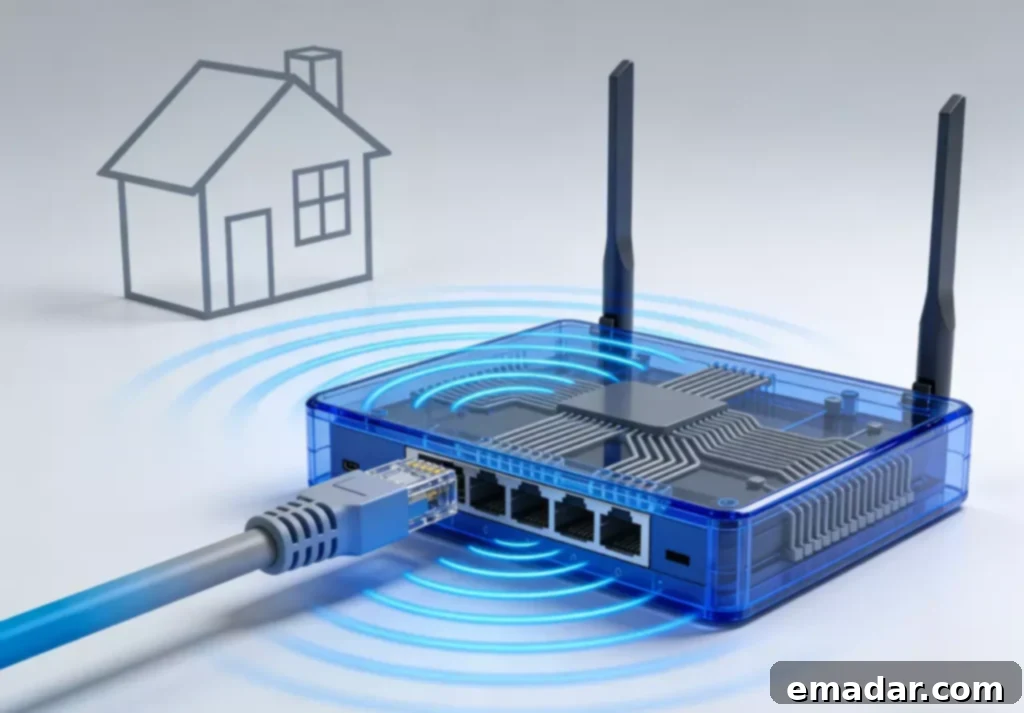
Understanding Residential IP Addresses: Unveiling Their Authentic Nature
A residential IP address is a network output address allocated by local telecommunications operators (such as AT&T, Verizon, BT, and others) to genuine home users. These IPs are integral to maintaining a safe and reliable online experience for everyday internet users.
Unlike data center IP addresses, residential IP addresses are marked as “residential” in underlying databases (ISP databases). This critical distinction means that when you use a residential IP address to access platforms like Amazon, Facebook, or Google, the platform’s backend identifies you as an “ordinary consumer using Wi-Fi from their living room sofa” rather than a server housed in a data center. This perceived authenticity significantly reduces the likelihood of triggering security alerts or facing account restrictions.
Why Cross-Border Operations Depend on Residential IP Addresses: Three Core Advantages
The reliance on residential IPs in cross-border operations stems from several key benefits:
- Enhanced Trust and Lower Risk Score: Platform risk management systems assess IP addresses to determine their risk profile. Data center IP addresses are often associated with automated activities and mass account management, leading to a high-risk score. Conversely, residential IP addresses possess a natural whitelist attribute, minimizing the chances of triggering CAPTCHAs or secondary identity verification processes. This lower risk score allows for smoother and more reliable access to online platforms.
- Geographic Location Consistency: Residential IP addresses carry authentic latitude and longitude information, along with ISP tags. For businesses requiring localized operations, using a residential IP address ensures that your account environment aligns perfectly with the target market. This is vital for tasks such as targeted advertising, local SEO, and accessing region-specific content. By mimicking the online behavior of a local user, you increase the credibility and trustworthiness of your operations.
- Prevention of Account Ban Chain Reactions: Data center IP addresses are typically sequentially numbered, meaning that if one account is compromised, the entire IP range can be affected. Residential IP addresses, on the other hand, originate from diverse sources, effectively severing the physical connection between accounts. This isolation mitigates the risk of widespread account bans and protects your business from cascading failures.
Practical Applications of Residential IP Addresses: Identifying Core Beneficiaries
While not all online activities necessitate the use of residential IP addresses, they are indispensable in the following scenarios:
- High-Value Account Nurturing: Whether it’s PayPal, Facebook, or TikTok advertising accounts, using a stable, static residential IP address during the initial account weight accumulation period can significantly improve account durability and longevity. A residential IP helps establish a credible history and build trust with the platform, reducing the likelihood of suspension or restriction.
- Cross-Border E-Commerce Reviews and Order Fulfillment: Simulating the purchasing environment of genuine consumers, relying on clean residential IP addresses, and avoiding detection by fraud prevention systems are critical for minimizing the risk of store closures. Genuine-looking order patterns combined with residential IPs make your operation appear legitimate.
- Localized Search Engine Optimization (SEO): Viewing authentic search results from different countries and cities provides invaluable market feedback. A residential IP address allows you to understand the local search landscape, analyze competitor strategies, and tailor your SEO efforts for maximum impact.
- Social Media Marketing: Managing multiple social media accounts requires a high degree of caution. Utilizing a unique residential IP address for each account can prevent them from being linked and flagged as spam or fake accounts. This ensures the integrity and effectiveness of your social media marketing campaigns.
- Web Scraping and Data Mining: Many websites employ anti-scraping measures to prevent automated data collection. Residential IP addresses can circumvent these measures by mimicking the behavior of regular users, allowing you to gather the data you need without being blocked or banned.
Avoiding Pitfalls: How to Select High-Quality Residential IP Address Services
The market is saturated with service providers of varying quality. Developers and operators should adhere to the following technical standards when selecting a residential IP address provider:
- Assess ISP Coverage Depth: Ensure the provider offers native resources from Tier 1 carriers, guaranteeing high-quality and reliable IP addresses. The broader the geographic coverage and the more diverse the ISP sources, the better.
- Evaluate Connection Stability: Genuine residential IP addresses should exhibit long-term, stable connectivity rather than frequent disconnections. Downtime can disrupt your operations and potentially trigger security alerts. A reputable provider should offer robust infrastructure and reliable uptime guarantees.
- Check IP Address Reputation: Before committing to a provider, verify the reputation of their IP addresses. Avoid IPs that have been blacklisted or associated with malicious activities. Tools are available to check the history and reputation of IP addresses, helping you make an informed decision.
- Consider Rotation Options: Depending on your specific needs, you may require rotating IP addresses to further enhance anonymity and prevent tracking. Look for providers that offer flexible rotation options, allowing you to change your IP address at regular intervals.
Many advanced users seeking stability opt for global residential IP address solutions like IPFLY. Whether it’s the physical isolation of multiple account environments or smooth operation under high concurrency, their technical architecture provides an invisible “authenticity armor” for cross-border operations.
Conclusion: Residential IP Addresses as the Foundation for Business Growth
In the increasingly stringent risk control environment of 2026, residential IP addresses are no longer optional but a strategic asset for building stable cross-border businesses. They represent more than just changing an IP address; they are an investment in a “genuine identity certificate” for your operations.
By choosing a service provider like IPFLY with global resource reserves and underlying technical safeguards, you can eliminate the challenges of network environment fluctuations and focus your energy on core business growth.
Use IPFLY Residential Proxy IP
IPFLY boasts a self-built server and a big data filtering system, providing only:
- Real ISP-assigned residential IP addresses
- Clean, unpolluted IP segments, non-shared, with no history of abuse
- Support for IP detection, location filtering, and multi-country switching
Prevent risk control and manage risks. Use IPFLY to achieve IP isolation!