
The Ultimate Guide to Using Proxy Servers: A Beginner’s Handbook
Have you ever encountered the frustrating message, “This content is not available in your location,” while trying to stream a region-locked TV show? Or perhaps you worry about your online privacy when using public Wi-Fi networks? Maybe you’re a business owner needing to gather data from competitors but keep getting blocked. The solution to these problems? A proxy server.
For many beginners, the idea of “how to use a proxy server” can seem overwhelming. Terms like “HTTP proxy,” “SOCKS5,” and “proxy configuration” can make it appear technically complex. However, using a proxy server is easier than you think. You don’t need to be a tech guru. With the right tools, such as IPFLY (a clientless proxy), setup is achievable in just a few minutes.
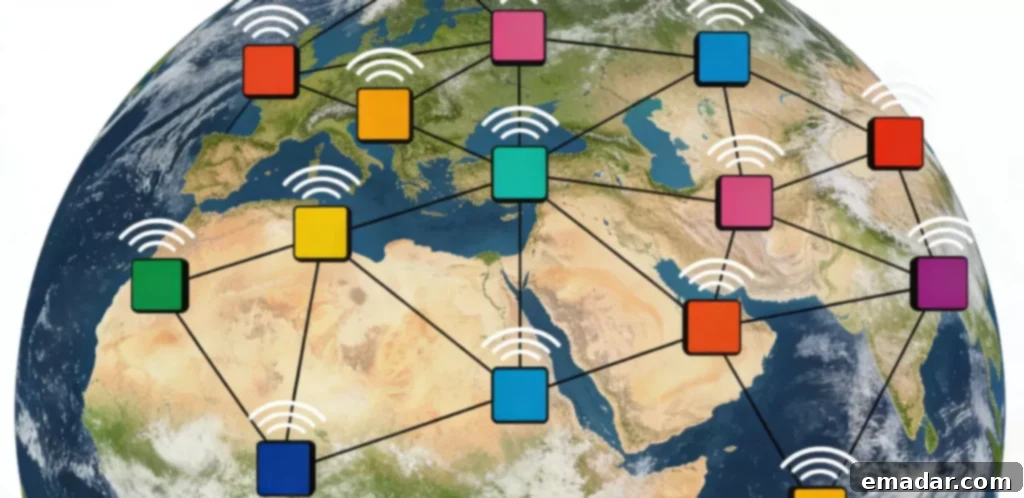
This guide will demystify proxy servers. We’ll start with the basics: what a proxy is and why you need one. Then, we’ll guide you step-by-step on how to use a proxy server on Windows, Mac, Android, and iOS. We’ll even cover advanced use cases like web scraping with code examples, showcasing why IPFLY is the optimal clientless proxy solution. By the end, you’ll confidently use proxy servers in any situation.
Understanding Proxy Servers: The Basics
What is a Proxy Server? (In Simple Terms)
A proxy server acts as an intermediary between your device and the internet. When you use a proxy, your internet traffic doesn’t go directly to the website you’re visiting. Instead, it passes through the proxy server first. The proxy hides your real IP address and sends requests using its own IP. This way, the website only sees the proxy’s IP address, not yours.
Think of it like sending a letter through a friend: you (your device) write a letter (request) and give it to your friend (proxy server). Your friend then mails it to the recipient (website). The recipient never sees your address, only your friend’s.
Top 4 Reasons to Use a Proxy Server
- Protect Online Privacy: Hide your real IP address to prevent websites, advertisers, or hackers from tracking you. This is especially important when using public Wi-Fi.
- Bypass Geographical Restrictions: Access region-locked content from streaming services like Netflix US or BBC iPlayer by using a proxy located in the target country.
- Avoid IP Blocking: For businesses or developers, use proxies to scrape data, manage multiple social media accounts, or test websites without getting your real IP blocked.
- Improve Internet Speed and Stability: Some proxies, like IPFLY, have global nodes that can reduce latency for cross-border browsing or gaming.
Step-by-Step Guide: How to Use a Proxy Server on Any Device
The process of using a proxy server varies slightly depending on your device, but the core idea remains the same: enter the proxy’s IP address, port number, and authentication details (if required) into your device’s network settings. Here’s a detailed guide for the most common devices.
Note: For this guide, we’ll use IPFLY as an example proxy (clientless, no software installation needed). You can get your IPFLY proxy details (IP, port, username, password) by signing up for a free trial.
Scenario 1: How to Use a Proxy Server on Windows 10/11
- Open Settings (press Windows key + I) and go to Network & Internet.
- In the left sidebar, select Proxy.
- Under “Manual proxy setup,” toggle Use a proxy server to On.
- Enter your IPFLY proxy details:
- Address: IPFLY proxy IP (e.g., 192.0.2.100)
- Port: IPFLY proxy port (e.g., 8080)
- If your IPFLY proxy requires authentication (most paid proxies do), click Save. A pop-up will appear – enter your IPFLY username and password.
- Click Save. You are now using a proxy server! To verify, visit whatismyipaddress.com – it should display the IPFLY proxy IP.
Scenario 2: How to Use a Proxy Server on Mac
- Click the Apple menu (top left corner) and select System Preferences.
- Select Network.
- Select your current network (Wi-Fi or Ethernet) from the left sidebar and click Advanced.
- Go to the Proxies tab.
- Check the Web Proxy (HTTP) and Secure Web Proxy (HTTPS) boxes.
- For both, enter your IPFLY proxy details:
- Web Proxy Server: IPFLY proxy IP
- Port: IPFLY proxy port
- Click OK, then Apply.
- A pop-up window will ask for your IPFLY username and password – enter them, and you’re done!
Scenario 3: How to Use a Proxy Server on Android
- Open Settings and go to Wi-Fi.
- Long-press the Wi-Fi network you’re connected to and select Modify network.
- Check Advanced options (scroll down if you don’t see it).
- Under “Proxy,” select Manual (the default is “None”).
- Enter your IPFLY proxy details:
- Proxy hostname: IPFLY proxy IP
- Proxy port: IPFLY proxy port
- Enter your IPFLY username and password under “Authentication” (if required).
- Click Save. The proxy is now active.
Scenario 4: How to Use a Proxy Server on iOS (iPhone/iPad)
- Open Settings and go to Wi-Fi.
- Tap the “i” icon next to the Wi-Fi network you’re connected to.
- Scroll down to Configure Proxy and select Manual.
- Toggle Authentication to On (because IPFLY requires authentication).
- Enter your IPFLY proxy details:
- Server: IPFLY proxy IP
- Port: IPFLY proxy port
- Username: IPFLY username
- Password: IPFLY password
- Tap Back twice to save the settings. You are now using a proxy!
Advanced Use Case: How to Use a Proxy Server for Web Scraping (Python Code Example)
For developers or business owners needing to scrape data (e.g., e-commerce product prices, competitor reviews), using proxy servers is crucial for avoiding IP blocks. Here’s a simple Python code example showing how to scrape data using an IPFLY proxy – no complicated setup needed.
Step 1: Prepare Your Tools
Install the necessary Python library (requests):
pip install requestsStep 2: Write the Scraping Code Using the IPFLY Proxy
import requests

# Configure IPFLY proxy (replace with your own details)
ipfly_proxy = {
    "http": "http://your_ipfly_username:your_ipfly_password@your_ipfly_proxy_ip:your_ipfly_proxy_port",
    "https": "https://your_ipfly_username:your_ipfly_password@your_ipfly_proxy_ip:your_ipfly_proxy_port"
}

# Target URL to crawl (example: a product page)
target_url = "https://example.com/product/12345"

try:
    # Send request using IPFLY proxy
    response = requests.get(
        url=target_url,
        proxies=ipfly_proxy,
        timeout=10  # Set timeout to avoid hanging
    )

    # Check if the request is successful
    if response.status_code == 200:
        print("Crawling successful!")
        print("Page content snippet:", response.text[:500])  # Print the first 500 characters of the page content
    else:
        print(f"Crawling failed. Status code: {response.status_code}")
except Exception as e:
    print(f"Error occurred: {str(e)}")
Why This Works
By adding the IPFLY proxy to your request, your scraper’s traffic is routed through the proxy’s IP instead of your real IP. This prevents the target website from blocking you, even with high-concurrency scraping. IPFLY’s high availability (99.99% uptime) ensures your scraper runs smoothly without frequent disconnections.
Choosing the Right Proxy Server: Clientless vs. Client-Based
Now that you know how to use a proxy server, the next step is selecting the right one. Not all proxies are created equal. Free proxies are often slow, unreliable, and risky (they might steal your data). Paid proxies vary in quality, especially regarding customer support, stability, and global coverage.
Key Factors to Consider When Choosing a Proxy Server
- Clientless vs. Client-Based: Client-based proxies require software installation (e.g., a VPN app), which can be blocked by schools or companies. Clientless proxies (like IPFLY) work through network settings – no installation required.
- Stability and Uptime: Look for proxies with over 99.9% uptime to avoid frequent disconnections.
- Global Node Coverage: If you need to bypass geographical restrictions, choose a proxy with nodes in the target country (e.g., IPFLY covers over 100 countries).
- Authentication and Security: Paid proxies should require username/password authentication to prevent unauthorized use. Look for end-to-end encryption (like IPFLY’s AES-256) to ensure data security.
- Customer Support: Good support helps quickly resolve setup or connection issues (IPFLY offers 24/7 live chat support).
IPFLY vs. Other Proxy Options: A Clear Comparison
| Proxy Type | Client Required? | Stability (Uptime) | Global Nodes | Security | Suitable For |
|---|---|---|---|---|---|
| IPFLY (Paid, Clientless) | No | 99.99% | 100+ Countries | AES-256 Encryption | Beginners, businesses, scraping, cross-border browsing |
| Free Public Proxies | No | 50-70% | Limited | Low (Risk of Data Theft) | None (Not Recommended) |
| Client-Based VPN Proxies | Yes | 99.5% | 80+ Countries | High | Personal Use (If Installation is Allowed) |
| Shared Paid Proxies | No | 90-95% | 50+ Countries | Medium | Basic Browsing (Low Budget) |
Why IPFLY is Ideal for Most Users
IPFLY’s biggest advantage is its clientless design. It works on all devices without installing any software, making it perfect for environments with restricted software installation (schools, offices). Combined with 99.99% uptime, global nodes, and enterprise-grade security, it’s a great all-around choice for beginners and businesses. Unlike free proxies, it’s reliable and secure. Unlike client-based VPNs, it’s flexible and undetectable.
Need high-standard proxy tactics or stable, enterprise-level service? Visit IPFLY.net for professional solutions today! Join the IPFLY Telegram community to gain industry insights and tailored tips, powering your business growth and opportunity!

Common Mistakes When Using Proxy Servers (And How to Avoid Them)
Even if you know how to use a proxy server, these common mistakes can ruin your experience. Here’s how to avoid them:
- Using Free Proxies: Free proxies are slow, unreliable, and often steal data. Invest in an affordable paid proxy like IPFLY (starting at $19/month) to avoid headaches.
- Forgetting to Verify the Proxy: After setup, always check your IP address (via whatismyipaddress.com) to ensure the proxy is working correctly. A common mistake is entering the wrong port number.
- Using the Wrong Proxy Type: Use HTTP/HTTPS proxies for browsing/streaming and SOCKS5 proxies for gaming/file sharing. IPFLY supports both, so you don’t need to switch providers.
- Ignoring Authentication: Always enable authentication (username/password) for your proxy. Without it, anyone can use your proxy and get you blocked.
- Using a Proxy from the Wrong Region: If you want to access US Netflix, use a US proxy (IPFLY lets you select regions with one click).
Frequently Asked Questions About Using Proxy Servers
Q1: Is it legal to use a proxy server?
Yes! In most countries, using a proxy server for legitimate purposes (privacy protection, accessing public data, streaming) is legal. It’s only illegal if you use it for malicious activities (hacking, copyright infringement, fraud).
Q2: Will using a proxy server slow down my internet speed?
Free proxies will, but paid proxies like IPFLY won’t. IPFLY’s global nodes and smart routing optimize speed, so you’ll have the same (or better) speed as regular internet – especially for cross-border browsing.
Q3: Can I use a proxy server on multiple devices?
Yes! IPFLY allows up to 5 devices to use the same proxy account simultaneously (computers, phones, tablets). You just need to configure the proxy settings on each device separately.
Q4: How do I fix proxy server connection problems?
Common fixes: 1. Double-check your proxy IP, port, username, and password (typos are the most common issue); 2. Switch to a different proxy node (IPFLY has multiple nodes in each country); 3. Restart your device or router; 4. Contact customer support (IPFLY’s 24/7 support can help quickly).
Q5: Do I need a proxy server if I use a VPN?
A VPN is a type of proxy, but they are client-based (require software installation). If you need to use a proxy in an environment where software installation is blocked (e.g., a school), a clientless proxy like IPFLY is better. For personal use at home, a VPN can work, but IPFLY is more flexible for multiple devices/scenarios.
Using Proxy Servers is Easy – Get Started with IPFLY Today
Learning how to use a proxy server doesn’t have to be complicated. With this guide, you now know how to set up a proxy on any device, use it for basic browsing or advanced scraping, and choose the right proxy based on your needs.
If you’re ready to get started, IPFLY is the perfect choice. Its clientless design makes setup a breeze, its 99.99% uptime ensures reliability, and its global nodes let you access content from anywhere. Best of all, it offers a free trial so you can test it risk-free.
Don’t let geographical restrictions, IP blocks, or privacy concerns hold you back. With IPFLY and the steps in this guide, you can master how to use proxy servers and take control of your online experience.