
Aliexpress for Beginners: A Step-by-Step Guide to Launching Your Store
Many aspiring e-commerce entrepreneurs immediately think of Amazon when considering cross-border sales. However, the reality often involves:
High entry barriers, complex rules, and significant upfront investment.
Consequently, an increasing number of newcomers are turning their attention to Aliexpress. But this raises new questions: How do you actually start a store? Is the process complicated? What are the common pitfalls to avoid?
This article avoids empty promises and dives straight into practical advice, providing a clear and complete walkthrough of the Aliexpress store setup process for beginners.
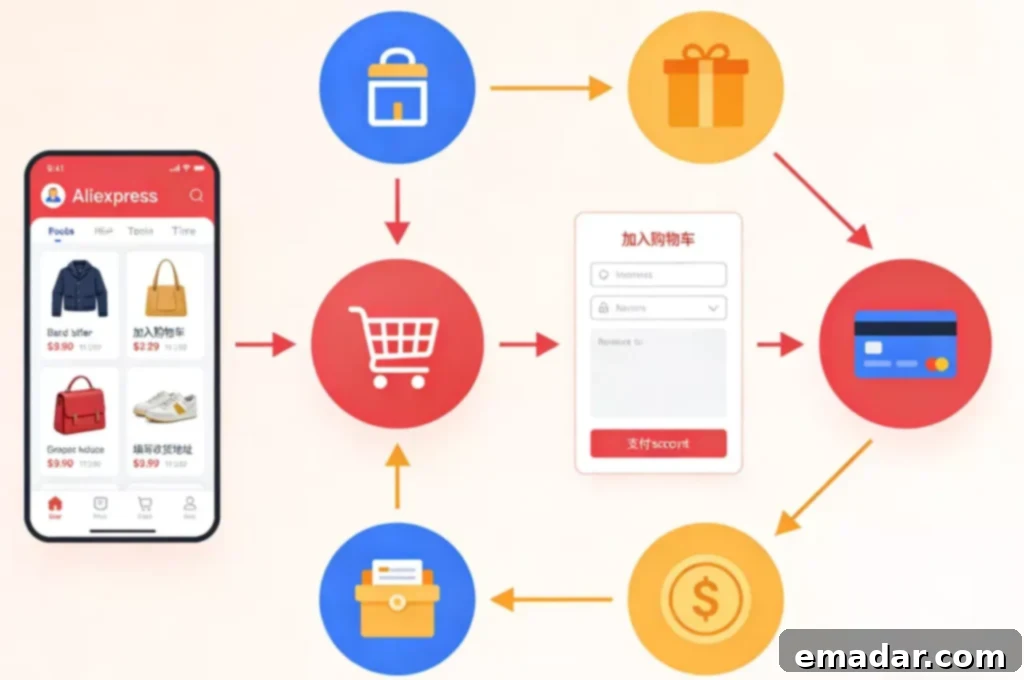
Part 1: Three Things to Consider Before Opening Your Store
Before rushing into registration, take the time to consider these three crucial points. It’s more important than simply jumping into store creation.
1. What Do You Plan to Sell?
Aliexpress is generally more suitable for:
- Standardized products
- Products that don’t rely heavily on brand recognition
- Small, lightweight items with low after-sales complexity
If your only idea is to “open a store and see what happens,” you’ll likely face significant challenges later.
2. Are You an Individual Seller or a Company?
- Individual Sellers: Simpler process, but limited future scalability.
- Company Sellers: Better for long-term operations and multiple store planning.
Recommendation: If you’re serious about cross-border e-commerce, planning with a company structure from the start is a more stable approach.
3. Do You Have a Stable Operating Environment?
Many beginners overlook this, but it directly impacts account security.
- Frequently switching networks
- Logging in from multiple devices indiscriminately
- Unstable network location
These behaviors can easily trigger platform risk controls later on. Many sellers prepare a stable overseas network environment in advance to ensure consistent account login locations, which is particularly critical during the scaling phase.
Part 2: Aliexpress Store Setup Process for Beginners (Step-by-Step)
Step 1: Register a Seller Account
Go to the Aliexpress seller registration portal and choose:
- Enterprise / Individual Business
- Fill in basic information
- Submit identity or business license documents
The review process typically takes 1-3 business days.
⚠️ Reminder: After registration, avoid frequently changing login networks and devices, especially during the initial phase.
Step 2: Basic Store Settings
This is often an area where people “fill in anything,” but it’s actually very important.
Key aspects include:
- Store Name (English, concise, non-infringing)
- Shipping Location
- Shipping Templates
- Return and Exchange Policy
👉 These settings directly impact:
- Search Ranking
- Buyer Trust
- Dispute Rate
Step 3: Product Selection and Pricing
A common mistake for beginners: 👉 Directly translating domestic bestsellers and listing them at the original price.
The correct approach is:
- First, analyze the price range of similar products on the platform
- Calculate international logistics + platform commission fees
- Factor in after-sales service and promotion margins
Remember: Aliexpress is about “value for money + stable supply,” not just low prices.
Step 4: Product Listing
Focus on these three points when listing products:
1️⃣ Title:
- Keywords at the beginning
- Reflect overseas search habits
- Avoid keyword stuffing and machine translation
2️⃣ Main Image:
- Concise, clear information
- Minimize Chinese characters
- Align with overseas aesthetics
3️⃣ Description:
- Use bullet points
- Clearly state dimensions, materials, and usage scenarios
Step 5: Test Phase Operation (The First 30 Days are Crucial)
During the first 30 days, the platform will observe your:
- Login stability
- Product listing frequency
- Order fulfillment performance
This is why many sellers choose to consistently use the same country and network environment for operation, to avoid being flagged as an “abnormal account” by the system.
In multi-account or remote operation scenarios, some teams use IPFLY’s static residential IPs to maintain long-term consistency in their account network environment, reducing unnecessary risk control interference and allowing them to focus on product selection and operation.
Part 3: Five Common Questions for Beginners, Answered Clearly
Q1: How long does it take to get the first order?
Under normal circumstances:
- Good product selection
- Reasonable pricing
- Complete basic settings
Getting your first order within 2-4 weeks is a common scenario.
Q2: Should I open multiple stores from the beginning?
Not recommended.
In the beginner stage, it’s more important to:
- Complete the process
- Understand the platform’s rhythm
Consider a matrix strategy after one store is stable.
Q3: Should I choose official logistics or self-arranged shipping?
- Beginners: Prioritize platform-recommended logistics
- Optimize after gaining experience
Q4: Why do people say that accounts are easily subject to risk control?
Common reasons include:
- Frequent changes in login environment
- Mixing multiple accounts
- Using an unstable network
These issues are usually not “sudden occurrences” but rather accumulated triggers over time.
Q5: Can Aliexpress be a long-term business?
Yes, but it’s more suitable as:
- A gateway platform for cross-border e-commerce
- A product testing platform
- Part of a multi-platform matrix
Part 4: A Final Word: Don’t Rush to “Go Big” as a Beginner
In the beginner phase of Aliexpress, what matters is not:
- How many orders you get in a day
- How much money you make in a month
But rather three things:
1️⃣ Complete the entire process
2️⃣ Stabilize your account
3️⃣ Establish a long-term, replicable model
When you solidify these fundamentals, you’ll have a much higher chance of success when considering scaling, matrix strategies, and team building.
IPFLY Proxy:
- Stable across all nodes, supporting 190+ countries and regions worldwide
- Instant connection, uninterrupted operation, simulating a real home broadband environment