
Understanding IP Purity: Why Residential IPs Are More “Pure” Than Data Center IPs
In the realms of cross-border e-commerce, international social media management, and data harvesting, the concept of IP purity is a recurring and vital theme. It directly influences the security of your accounts and the probability of business success. This article provides a detailed explanation of IP purity, delving into the significant differences between various IP types – residential IPs, data center IPs, and mobile IPs – and exploring the underlying technical principles that contribute to these distinctions.
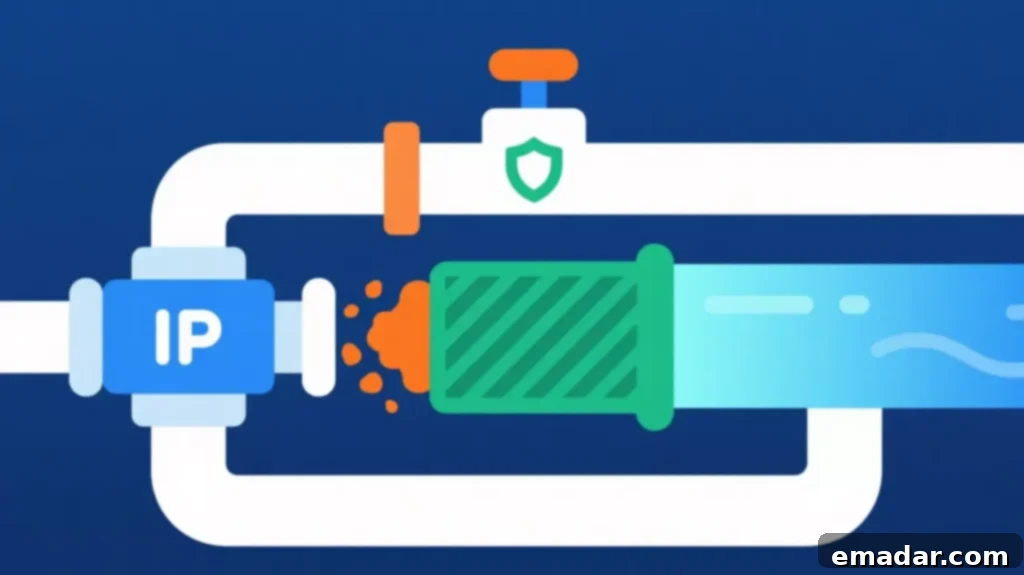
What is IP Purity?
Think of an IP address as your “digital identity card” in the online world. IP purity is essentially the credit history associated with that digital ID.
A pure IP address signifies a history of legitimate usage. It hasn’t been implicated in activities like spamming, malicious attacks, or the mass registration of fake accounts. Consequently, website security systems are more inclined to trust these IPs, significantly reducing the risk of account interception or banning. This trust is paramount for maintaining a positive online reputation and ensuring uninterrupted access to online services.
How Do Different IP Types Affect Purity?
The purity of an IP address is largely determined by its origin and usage patterns. Website security systems analyze the IP type to discern whether it originates from a genuine user or a potentially malicious actor. This analysis is a critical component of fraud prevention and security protocols.
1. Residential IPs: The “VIPs” of Security Systems
- Definition and Origin: Residential IPs are sourced from legitimate home internet service providers (ISPs) like Verizon, Comcast, or similar providers in other countries. They are the everyday online access points for ordinary households, exhibiting usage patterns that closely resemble those of genuine users. This inherent characteristic makes them valuable for various online activities.
- Purity Advantages: Residential IPs boast a high level of purity. Website security systems inherently trust these IPs because they emulate the browsing behavior of real users and typically possess a clean historical record. For activities that demand high levels of genuine user simulation, such as managing multiple accounts, social media marketing, or tasks requiring human-like interaction, residential IPs are an excellent choice. They offer a significantly reduced risk of detection and blocking compared to other IP types. The consistent and legitimate usage patterns associated with residential IPs are a key factor in their favorable reputation.
2. Data Center IPs: The “Monitored” IPs
- Definition and Origin: Data center IPs originate from virtual hosts housed in cloud servers or data centers. These IPs can be purchased and deployed in bulk at a relatively low cost, making them suitable for large-scale, automated tasks. However, this cost-effectiveness comes with a trade-off in terms of purity and trustworthiness.
- Purity Disadvantages: Data center IPs are easily identifiable by websites. Security systems can readily detect that these IP addresses do not originate from ordinary households but rather from server farms. Once identified, they are often blacklisted or subjected to heightened monitoring, leading to access restrictions. The association with automated and potentially malicious activities makes data center IPs a less desirable option for tasks requiring trust and authenticity. The high concentration of activity originating from a single data center IP also raises red flags for security systems.
3. Mobile IPs: High Purity, High Cost
- Definition and Origin: Mobile IPs originate from cellular data networks provided by mobile carriers. Similar to residential IPs, they represent genuine user behavior and thus possess a high degree of purity. They are tied to specific mobile devices and user accounts, adding an extra layer of authentication.
- Advantages and Disadvantages: Mobile IPs offer exceptional purity but come with a high cost. Furthermore, connection stability can sometimes be compromised by mobile network signal fluctuations. Unless there is a specific business requirement that justifies the expense, mobile IPs are not typically the primary choice. The dynamic nature of mobile IP addresses, changing as users move between cell towers, can also present logistical challenges for certain applications. Despite the cost, the inherent purity and association with individual users make mobile IPs valuable for specific use cases where trust is paramount.
Why Does IP Type Determine Purity?
The underlying reason lies in the identification mechanisms employed by website security systems. These systems maintain vast IP databases, meticulously recording information about each IP address, including its type, geographic location, and historical behavior. These databases are constantly updated with information gathered from various sources, including threat intelligence feeds, user reports, and internal monitoring systems. The accuracy and comprehensiveness of these databases are crucial for effective IP analysis and risk assessment.
When a website receives an access request from a specific IP, it quickly queries the IP’s information in its database. If the IP is flagged as a “data center IP” and the access behavior is unusual, the security system immediately raises its alert level. Conversely, access from a “residential IP” is more likely to be trusted, as it is assumed to originate from a genuine user. The system analyzes various factors, such as the frequency of requests, the type of content being accessed, and the user agent string, to determine the legitimacy of the traffic. This multi-layered analysis helps distinguish between legitimate users and automated bots or malicious actors.
Conclusion
IP purity is the lifeline of cross-border business, and its purity largely depends on its type. Residential IPs, due to their authentic origin and positive historical record, offer high purity, making them the preferred choice for ensuring account security and business stability. Data center IPs, while cost-effective, have low purity and are unsuitable for high-risk activities. Selecting a reliable provider that offers high-purity residential IPs is a crucial step in building a stable and secure online foundation for your business. Investing in high-quality IPs is an investment in the long-term success and security of your online operations. Regularly monitoring IP health and staying informed about evolving security threats are also essential for maintaining a robust and resilient online presence.
In summary, choosing the right IP type is a critical decision that can significantly impact your online activities. Understanding the nuances of IP purity and the characteristics of different IP types is essential for making informed choices and mitigating potential risks. Whether you are engaging in e-commerce, social media marketing, or data collection, prioritizing IP purity can help ensure the security, stability, and success of your online endeavors.
By implementing best practices for IP management and staying vigilant against emerging threats, you can create a safer and more reliable online environment for your business and your customers.