
Understanding Static vs. Dynamic IP Addresses: A Comprehensive Guide
When browsing the internet, most users don’t typically consider whether their device’s IP address is “static” or “dynamic.” However, for activities like e-commerce, remote work, server setup, and account management, the stability of your IP address becomes critically important. This article dives into the crucial, yet often overlooked, world of IP addresses to help you understand whether your IP is static and what a “static IP” truly means.
Do You Have a Static IP Address? Probably Not
If you’re using a home broadband connection, a company Wi-Fi network, or a mobile data connection, the chances are very high that your IP address is “dynamic.” This means it changes automatically after a certain period.
Why does this happen? Internet Service Providers (ISPs), such as major telecommunications companies, manage their limited IP resources by assigning IP addresses from an “IP pool” to users as needed. This approach is more efficient than assigning a static IP to every user.
For example, one day your IP might be 192.168.1.100, but after disconnecting and reconnecting to the internet, it could change to 192.168.1.105. For general internet activities like watching videos, browsing social media, or online shopping, this change has no impact. However, for activities requiring a stable, consistent online “identity,” a dynamic IP can create significant issues.
What Exactly is a Static IP Address?
A Static IP address is, as the name suggests, a permanent IP address assigned to a device. It provides a fixed and unchanging “global online identity” for that device.
Static IPs are classified into two primary types:
- Static Public IP: This type is directly exposed to the internet. External users and systems can access your device at any time using this IP. Common use cases include servers, website hosting, and remote monitoring systems.
- Static Private IP: This type is used within a local area network (LAN), such as a company intranet or a home network. It’s often used for internal systems, printers, network-attached storage (NAS) devices, and other devices within your private network.
In contrast, a Dynamic IP is assigned automatically by a DHCP (Dynamic Host Configuration Protocol) server each time a device connects to the network. This IP may change after disconnecting or restarting the network connection.
Consider this simple analogy:
- A static IP is like a permanent street address that never changes.
- A dynamic IP is like a hotel room number that changes each time you check in.
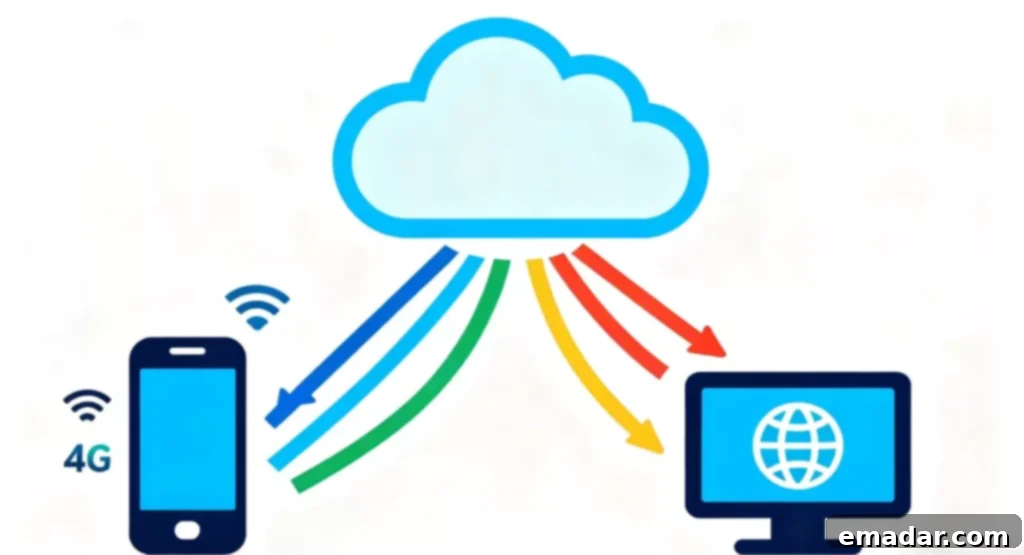
When is a Static IP Address Necessary?
While dynamic IPs are sufficient for most ordinary users, static IPs are crucial in specific situations.
1. Remote Server or Device Access
Imagine you need to remotely access a company server from your home computer. If the server uses a dynamic IP, you’ll need to find the new IP address each time it changes, which is highly inconvenient. A static IP ensures you can always access the server using the same address.
2. Website or Email Server Hosting
Websites and email systems rely on stable DNS resolution, which in turn relies on a static IP. If your IP changes frequently, visitors may be unable to find your site or send emails.
3. Online Gaming and P2P File Sharing
Some games and peer-to-peer (P2P) file-sharing software require a static IP to establish long-term connections. If the IP changes during the connection, it can lead to interruptions and disconnections.
4. E-commerce and Multi-Account Management
E-commerce platforms like Amazon, TikTok Shop, and Shopee are extremely sensitive to IP consistency. If the IP address associated with an account changes frequently, the system may flag it as “suspicious login.” Using a static IP can help avoid triggering security measures and account restrictions.
In these scenarios, many e-commerce professionals opt for specialized proxy services. For example, IPFLY’s static residential proxy IPs simulate a real home network environment, providing stability and security for multi-account management and cross-border access.
The Application of Static IPs in E-commerce
Today, one of the most popular applications for static IPs is in the realm of cross-border e-commerce and account management.
Many e-commerce sellers operate multiple stores on platforms like Amazon, TikTok, and eBay. To prevent these platforms from detecting that these accounts belong to the same individual, IP isolation is crucial.
Each store needs to use a different IP address that is unique to its geographical location and operational environment. These IPs must also be “residential-grade,” meaning they simulate a real user’s home network, to build trust with the platform’s systems.
Services like IPFLY’sstatic residential proxy IPs provide long-term, stable connections from real ISP-assigned home networks, making them suitable for e-commerce, ad verification, and data collection.
How to Check if You Have a Static IP Address
Determining whether you have a static or dynamic IP is quite simple:
- Open a web browser and visit a website that provides IP lookup services, such as IPinfo. Record the IP address shown.
- Restart your router or disconnect and reconnect to your network.
- Revisit the IP lookup website. If the IP address is the same as before, you have a static IP. If it’s different, you have a dynamic IP.
In a corporate network, you can also contact your network administrator or check your router configuration to confirm.
The Future: Will IPv6 Make Static IPs More Common?
As IPv4 addresses have been exhausted, the new internet standard, IPv6, offers a virtually unlimited number of addresses. Theoretically, IPv6 could allow every device to have its own unique static public IP, eliminating the need for dynamic assignment.
However, for security, privacy, and management reasons, operators may still choose to use dynamic allocation mechanisms. Thus, while IPv6 provides ample address space, “static IPs” will still require separate configuration.
Nevertheless, with the growing demand for e-commerce, remote work, and the Internet of Things (IoT), the importance of static IPs will only continue to increase.
IPFLY Proxy Advantages:
- Instant connection, stable and reliable
- Supports HTTP/HTTPS/SOCKS5 protocols
- High-purity IPs for long-term account nurturing
- Global network with 190+ countries, offering static/dynamic residential IPs
- Compatible with all platforms, including fingerprint browsers, system settings, and automation tools
👉 Claim your discount and get high-quality IPs now!