
Are you looking to register a brand new Facebook account in 2025? The process has evolved, and navigating it successfully requires understanding some key steps and considerations. Among the most frequently discussed topics is the role of a Facebook proxy: Is it a luxury, or has it become an absolute necessity for modern users?
This comprehensive guide will walk you through everything you need to know, from initial preparation to completing your profile, while also shedding light on the crucial importance of proxy services in ensuring a smooth, secure, and long-lasting Facebook experience.
How to Register a Facebook Account in 2025: A Step-by-Step Guide
I. Essential Preparations Before Registration
Before you embark on creating your Facebook account, a solid foundation of preparation can prevent potential hurdles and ensure a seamless setup. These preliminary steps are crucial for the longevity and security of your new profile.
1. Secure Your Identity: Email, Phone, and Personal Details
The first and most vital step is to prepare a dedicated email address or phone number that has never been used to register a Facebook account before. This ensures that your new account will not be linked to any previous activity that might inadvertently cause issues. Alongside this, gather your accurate personal information, including your full legal name, precise date of birth, and gender. Facebook’s real-name policy is designed to foster a more authentic community, and providing correct information from the outset is paramount for identity verification and potential account recovery in the future.
During the registration process, you will be prompted to enter this information and to set a strong, unique, and easy-to-remember password. After submitting your details, Facebook will send a verification code to your chosen email or phone number to confirm your identity. Completing these steps successfully lays the groundwork for your new Facebook account.
2. Cultivating a Stable and Secure Network Environment
A reliable and high-speed internet connection is indispensable for successful registration. However, simply having internet access isn’t enough; the *quality* and *security* of your connection are equally important. We strongly advise against using public Wi-Fi hotspots for sensitive actions like account registration. Public networks often lack robust security protocols, making your personal data vulnerable to interception. Furthermore, these networks are prone to instability and often share IP addresses that may have been previously flagged or blacklisted by social media platforms due to misuse by other users.
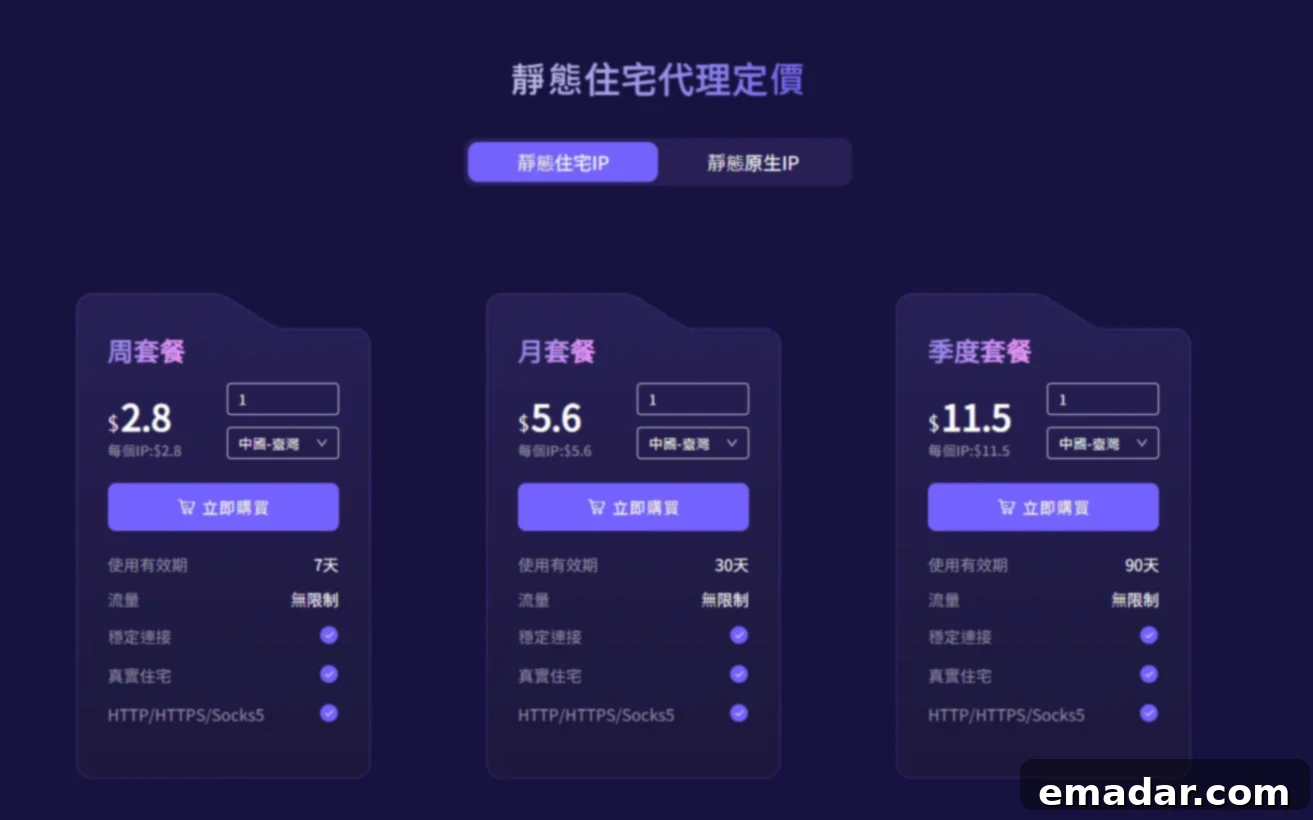
To mitigate these risks and ensure a pristine online footprint, consider utilizing a legitimate residential IP address. Services like IPFLY offer professional proxy solutions that provide stable, secure, and independent IP addresses. A residential IP mimics a regular user’s internet connection, making your activity appear more natural to Facebook’s sophisticated algorithms. IPFLY, for instance, offers extensive global geographic location choices and guarantees the purity and anonymity of its IPs. This significantly reduces the chances of your account being misidentified, flagged, or even blocked by Facebook’s system due to perceived network anomalies or suspicious activity.
3. Understanding Facebook Proxies: A Necessity, Not a Choice?
A proxy server acts as an intermediary between your device and Facebook’s servers. Its primary function is to mask your true IP address and geographical location, thereby significantly enhancing your online security and privacy. In an age where digital footprints are constantly tracked, a proxy offers a vital layer of anonymity. Beyond privacy, proxies are instrumental in overcoming geographical restrictions. If you need to access Facebook features or content that are limited to specific regions, using a proxy IP from that particular area can effectively bypass these limitations. This is particularly useful for businesses targeting specific markets or individuals traveling abroad.
Furthermore, a consistent and clean proxy IP can prevent your account from being flagged or blocked. Facebook’s security systems monitor for unusual login patterns, such as frequent IP changes or logins from vastly different geographical locations within a short period. A stable proxy helps maintain a consistent online identity, thereby reducing the risk of automated account suspension. For those managing multiple accounts (e.g., for business purposes) or simply seeking an extra layer of operational security, a high-quality proxy service has transitioned from a niche tool to an indispensable component of successful Facebook management.
II. Step-by-Step Guide to Registering Your Facebook Account
Once your preparations are complete, you can proceed with the actual registration process. Follow these steps carefully to ensure a successful account setup.
1. Access the Official Facebook Website
Begin by navigating to the official Facebook website. It is absolutely crucial to ensure you are visiting www.facebook.com. Double-check the URL in your browser’s address bar. Phishing websites, designed to mimic legitimate sites, are a common threat. Visiting a fraudulent site can lead to the compromise of your personal information, so vigilance here is key. Once on the official homepage, locate and click the “Create New Account” button.
2. Accurately Fill in Registration Information
On the Facebook homepage, you will encounter a registration form. Carefully follow the prompts to enter your personal details, including your full name, email address or mobile phone number, chosen password, date of birth, and gender. Accuracy in filling out this information is paramount, as discrepancies can lead to verification issues later. Pay particular attention to your password: it should be robust and complex, ideally incorporating a mix of uppercase and lowercase letters, numbers, and special characters. A strong password is your first line of defense against unauthorized access to your account.
3. Complete the Identity Verification Process
After submitting your registration details, Facebook will require you to verify your identity. This is typically done by sending a unique verification code to the email address or mobile phone number you provided. Open your email inbox or SMS messages, retrieve the code, and enter it into the designated field on the Facebook website. This step is essential for Facebook to confirm you are a real user and helps prevent the creation of bot accounts. If you don’t receive the code immediately, check your spam or junk folder, or request a re-send. Once verification is successful, you can proceed to the next stage.
4. Personalize Your Profile for Enhanced Engagement
Upon successful registration, Facebook will guide you through the process of completing your personal profile. This is your opportunity to make your account unique and recognizable. Upload a clear, recent profile picture – this is often the first thing people see and helps friends find you. Furthermore, you can add details such as your personal bio, work experience, and educational background. Populating these fields not only helps your friends and connections learn more about you but also significantly enhances your credibility and discoverability on the platform. A complete profile is more likely to be trusted and engaged with by other users.
III. The Indispensable Role of Proxy Services in Facebook Account Management
While the steps above cover the technical registration, the long-term health and functionality of your Facebook account, especially for specific use cases, are heavily influenced by your network environment. This is where proxy IPs, particularly high-quality residential ones, become critical.
1. Defining Proxy IP: An Operational Perspective
A proxy IP, in its simplest form, is an intermediary server that acts on your behalf when accessing a target website. Instead of your device directly connecting to Facebook and revealing your real IP address, the connection is routed through the proxy server. This masks your true IP, replacing it with the proxy’s IP address. For Facebook account registration and ongoing operation, this mechanism offers several profound benefits that go beyond simple anonymity.
2. Enhanced Privacy and Anonymity in a Data-Driven World
In 2025, digital privacy is more critical than ever. Every online activity leaves a digital footprint, and your IP address is a key identifier. By obscuring your real IP, a proxy prevents Facebook (and other third parties) from directly tracking your physical location or correlating your online activities to your home network. This increased anonymity provides a crucial layer of protection, particularly for users who value their privacy or operate in environments where online surveillance is a concern. It minimizes the data trails you leave behind, contributing to a more secure and private online presence.
3. Navigating Geo-Restrictions and Content Accessibility
Facebook’s content and features can vary significantly based on geographical location. For example, certain advertising campaigns might only be visible or targetable from specific countries, or particular content might be restricted in certain regions due to licensing or local regulations. A proxy IP allows you to virtually “relocate” yourself to a different country or city. By selecting a proxy from the desired geographical area, you can bypass these restrictions, access region-locked content, or manage localized pages as if you were physically present there. This is a powerful tool for global marketers, content creators, and individuals seeking unrestricted access to the platform’s full capabilities.
4. Fortifying Account Security and Preventing Automated Flags
Facebook employs sophisticated algorithms to detect and prevent suspicious account activity. Frequent or abrupt changes in IP address, or logins from geographically disparate locations within a short timeframe, can trigger these systems, leading to account suspensions, verification requests, or even permanent bans. A consistent, dedicated proxy IP, especially a residential one, helps maintain a natural and stable online identity for your account. It mimics the behavior of a genuine user logging in from a consistent location, significantly reducing the likelihood of your account being flagged for unusual activity. This proactive measure is vital for maintaining uninterrupted access and preventing the frustrating experience of account lockouts.
5. Cultivating Natural Account Activity and Reputation
The perceived “naturalness” of your account activity is crucial for its long-term health and effectiveness. If you’re managing a business page, interacting with local communities, or targeting specific demographics, using an IP address that aligns with your target audience’s location can enhance your account’s legitimacy in Facebook’s eyes. This is particularly true for residential proxies provided by services like IPFLY, which offer “pure” and “dedicated” IPs. Unlike shared datacenter IPs that might have been used by many users and potentially blacklisted, a clean residential IP carries a positive reputation. This helps in maintaining higher engagement rates, avoiding algorithm penalties, and ensuring your activities (like posting, commenting, or advertising) are not inadvertently restricted due to a poor IP reputation.
IPFLY, with its extensive network of high-quality, geographically diverse residential IPs, stands out as a reliable choice. Its focus on providing pure and uncompromised IP addresses directly translates to a more stable, secure, and authentic Facebook experience, ensuring your account can operate naturally without constant fear of detection or restriction.
We hope this comprehensive guide assists you in successfully registering your Facebook account in 2025 and provides a clearer understanding of why high-quality Facebook proxy services have become an essential tool for secure and effective platform engagement. We wish you an enjoyable and productive time on Facebook!