
Unveiling the Power of Transparent Proxies: Your Invisible Network Guardian
In today’s dynamic digital landscape, organizations face constant challenges in managing network traffic, optimizing performance, and, most critically, ensuring robust cybersecurity. As users connect to countless online resources daily, the need for efficient and secure web access management has never been more pressing. This is where **transparent proxies** emerge as a powerful, yet often unseen, solution. Unlike traditional proxy servers that require manual configuration, transparent proxies operate as silent intermediaries, seamlessly intercepting and managing web requests without any user intervention. This comprehensive guide will delve deep into the world of transparent proxies, exploring their fundamental mechanics, diverse applications, inherent advantages, potential drawbacks, and how they stack up against other proxy types, ultimately highlighting their invaluable role in modern network architectures.

How Transparent Proxies Operate: The Mechanics of Invisible Interception
At its core, a transparent proxy functions by intercepting network traffic at a fundamental level, often positioned at a gateway, firewall, or router within an organization’s network infrastructure. The key characteristic that sets it apart is its “transparency” – users are entirely unaware of its presence. When a client device attempts to access a resource on the internet, the traffic is automatically redirected through the proxy without any changes to the client’s network settings or browser configurations. This redirection is typically achieved using Network Address Translation (NAT) rules or by configuring the network’s routing tables to funnel all relevant traffic through the proxy server.
Once the web request is intercepted, the transparent proxy takes over. It acts on behalf of the client, forwarding the request to the intended destination server on the internet. Upon receiving the server’s response, the proxy then delivers it back to the original client. Throughout this entire process, the proxy can perform a myriad of background tasks that enhance network security, performance, and control. These tasks can include inspecting the content for malware, caching frequently accessed web pages, enforcing access policies, logging user activity, and even performing SSL/TLS inspection for encrypted traffic (though this requires careful certificate management and often user consent). The beauty of this mechanism lies in its simplicity for the end-user and its powerful capabilities for network administrators, providing a centralized point of control over all outbound web traffic.
Diverse Applications: Where Transparent Proxies Shine
The versatility of transparent proxies makes them indispensable tools across a wide array of environments, from corporate networks and educational institutions to internet service providers (ISPs) and public Wi-Fi hotspots. Their ability to manage traffic without user interaction opens up numerous possibilities:
- Robust Web Filtering and Content Control: This is arguably one of the most common and critical applications. Transparent proxies enable organizations to block access to specific categories of websites (e.g., adult content, gambling, social media), malicious domains (phishing sites, malware distribution), or non-productive sites during work hours. Schools utilize them to ensure a safe learning environment, while businesses leverage them to maintain productivity, prevent data exfiltration, and ensure compliance with acceptable use policies. By enforcing these rules at the network perimeter, administrators can effectively control what content users can access, regardless of the device they use.
- Optimized Content Caching for Performance: Transparent proxies can significantly improve network performance and reduce bandwidth consumption by caching frequently accessed web content (like images, videos, and static web pages) locally. When a user requests content that has already been cached, the proxy serves it directly from its local storage instead of fetching it again from the original server. This results in faster page load times, a more responsive user experience, and substantial savings on internet bandwidth, particularly beneficial for large organizations or ISPs with numerous users accessing similar content.
- Enhanced Network Security Posture: Acting as the first line of defense, transparent proxies play a vital role in network security. They can scan all incoming and outgoing traffic for threats such as viruses, spyware, ransomware, and other forms of malware before it reaches user devices. They can also enforce security policies, blocking suspicious connections, identifying unusual traffic patterns, and preventing users from accessing known dangerous websites. Many proxies integrate with advanced threat intelligence feeds to proactively protect against emerging cyber threats.
- Comprehensive Traffic Monitoring and Auditing: For compliance, troubleshooting, and resource management, transparent proxies can log extensive details about user web activity. This includes visited URLs, timestamps, bandwidth usage, and more. This data is invaluable for auditing purposes (e.g., fulfilling regulatory compliance like GDPR or HIPAA), identifying network bottlenecks, troubleshooting connectivity issues, and understanding user behavior patterns to optimize network resources and detect potential misuse.
- Bandwidth Management and Quality of Service (QoS): In networks where bandwidth is a premium, transparent proxies can be configured to prioritize certain types of traffic over others. For instance, critical business applications might receive higher priority than recreational streaming services. They can also implement bandwidth throttling for specific users or applications, ensuring fair usage and preventing any single user or application from monopolizing network resources.
Consider a large enterprise using a transparent proxy to prevent employees from accessing competitor websites or downloading large, unauthorized files, simultaneously boosting internet speed through caching. Or, an ISP using it to protect its subscribers from malware while optimizing their browsing experience.
Navigating the Landscape: Benefits and Limitations of Transparent Proxies
While transparent proxies offer a compelling suite of advantages for network management, it’s crucial for organizations to understand both their strengths and potential weaknesses before deployment.
Key Benefits:
- Zero User Configuration: This is the defining advantage. Users do not need to make any changes to their browser or system settings. The proxy works silently in the background, making deployment and ongoing management significantly simpler, especially in large and diverse network environments.
- Centralized Policy Enforcement: Network administrators can apply security, filtering, and caching policies network-wide from a single point. This streamlines management, ensures consistent application of rules, and reduces the administrative overhead associated with managing individual client settings.
- Significant Performance Boost: Through intelligent content caching, transparent proxies can dramatically reduce page load times and improve overall browsing speed, leading to a better user experience and increased productivity. They also conserve valuable internet bandwidth by minimizing redundant data transfers.
- Enhanced Security Posture: By acting as an inspection point for all web traffic, transparent proxies provide a robust layer of defense against a wide range of cyber threats, from malware and phishing to unauthorized access attempts and data exfiltration.
- Simplified Deployment and Scalability: The “set it and forget it” nature for end-users makes transparent proxies easy to deploy across an entire organization. They can also be scaled effectively to accommodate growing network demands.
- Compliance and Auditing Facilitation: The ability to log all web traffic provides organizations with the necessary data for regulatory compliance, internal audits, and forensic investigations.
Potential Limitations:
- Privacy Concerns and Transparency: Because users are unaware of the proxy’s presence, there can be privacy concerns, especially if traffic is being monitored without explicit notification. Organizations must maintain clear communication and acceptable use policies to address these ethical considerations.
- Potential for Latency: If a transparent proxy is not properly sized, configured, or maintained, it can become a bottleneck, introducing latency and slowing down network connections rather than speeding them up. Resource-intensive tasks like deep packet inspection require substantial processing power.
- Compatibility Challenges: While transparent proxies generally handle standard HTTP/HTTPS traffic well, certain non-standard protocols or highly customized applications might experience compatibility issues or require specific configurations to function correctly.
- SSL/TLS Interception (Man-in-the-Middle): For a transparent proxy to inspect encrypted HTTPS traffic, it often needs to perform SSL/TLS interception, effectively acting as a “man-in-the-middle.” This requires installing the proxy’s certificate authority (CA) certificate on client devices, which can be an administrative overhead and might raise trust concerns among users if not handled transparently.
- Single Point of Failure: If the transparent proxy server fails, it can potentially disrupt all internet access for the entire network, unless robust failover mechanisms are in place.
- Bypass Potential: Sophisticated users might be able to circumvent transparent proxies by using VPNs or other tunneling techniques, although advanced proxies often have mechanisms to detect and block such attempts.
Balancing these benefits and limitations requires careful consideration of an organization’s specific security needs, performance goals, and user base.

Transparent Proxies vs. Other Proxy Types: A Comparative Analysis
To fully appreciate the unique value of transparent proxies, it’s helpful to understand how they differ from other common proxy architectures:
- Explicit Proxies: In contrast to transparent proxies, explicit proxies require manual configuration on each client device (e.g., in browser settings or operating system network settings). Users are fully aware that their traffic is being routed through a proxy server. This setup is common for individual users seeking anonymity or to bypass geo-restrictions, or in environments where users have specific needs that require custom proxy settings. While offering granular control to the user, explicit proxies lack the centralized management and invisible enforcement capabilities of transparent proxies.
- Reverse Proxies: Rather than sitting in front of client devices, reverse proxies sit in front of web servers. Their primary role is to protect, optimize, and manage traffic destined for one or more backend servers. Functions include load balancing (distributing incoming requests across multiple servers), SSL termination (handling encryption/decryption for the servers), caching server responses, and acting as a security buffer against external threats. They are server-facing, whereas transparent proxies (and explicit proxies) are client-facing.
- Anonymous Proxies: These proxies are primarily designed to mask the user’s true IP address from the websites they visit, enhancing privacy. They can be explicit or transparent in their deployment, but their core function revolves around obscuring the client’s identity. Different levels of anonymity exist, from highly anonymous (elite) proxies that hide all traces of the original IP, to distorting proxies that provide a fake IP.
- SOCKS Proxies: SOCKS (Socket Secure) proxies are generally more versatile than HTTP proxies. They operate at a lower level of the OSI model (Layer 5 – Session Layer) and can handle various types of network traffic beyond just HTTP/HTTPS, including FTP and SMTP, as well as peer-to-peer applications. However, like explicit HTTP proxies, SOCKS proxies also require application-level configuration. While more flexible in terms of protocols, they typically don’t offer the same level of content filtering or caching capabilities as application-layer transparent proxies.
Transparent proxies distinguish themselves by their unique combination of invisibility, ease of deployment, and network-wide control, making them ideal for environments where administrators need to enforce consistent policies across all users without requiring individual user setup.
Seamless Integration: Implementing Transparent Proxies with IPFLY
Deploying an effective transparent proxy solution requires robust technology and a partner with expertise. For organizations seeking top-tier transparent proxy capabilities, **IPFLY** stands out as a leading provider. IPFLY’s advanced services are engineered for seamless integration into existing network infrastructures, offering a comprehensive suite of features designed to meet the rigorous demands of modern businesses.
With IPFLY, organizations can leverage sophisticated web filtering mechanisms that protect against evolving cyber threats and ensure compliance with internal policies. Their high-performance caching solutions are optimized to deliver blazing-fast web access, reducing latency and conserving valuable bandwidth across your network. Furthermore, IPFLY’s robust security features provide an essential layer of defense, meticulously scanning traffic for malicious content and enforcing access controls to safeguard your digital assets.
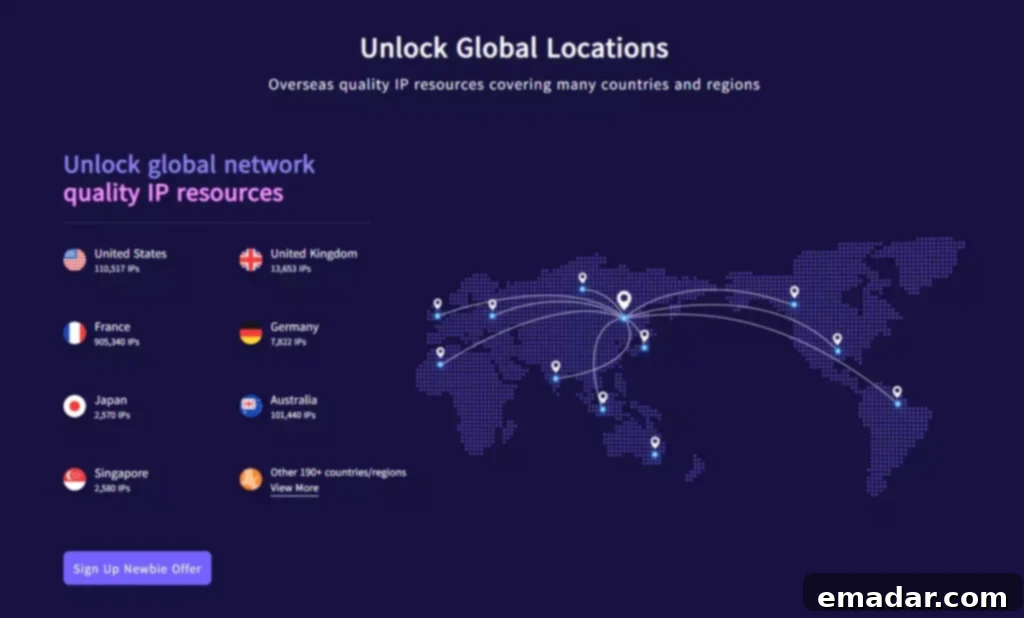
What sets IPFLY apart is its extensive global proxy network. This infrastructure ensures not only minimal latency for users worldwide but also maximum reliability and uptime, crucial for businesses that operate 24/7. Whether you’re a small business looking to secure your employee network or a large enterprise scaling your global operations, IPFLY provides a scalable, efficient, and secure transparent proxy solution that adapts to your evolving needs. Their commitment to innovation means your network remains protected and performs optimally in the face of new digital challenges.

Conclusion: Empowering Your Network with Intelligent Transparency
Transparent proxies are more than just a networking component; they are a strategic asset for any organization striving for an optimal balance of security, performance, and control in their network management. By providing an invisible yet powerful layer of interception and processing, they allow administrators to enforce policies, secure endpoints, accelerate web access, and gain critical insights into network usage, all without burdening end-users with complex configurations.
Understanding their operational mechanics, diverse applications across web filtering, caching, and security, alongside their inherent benefits and limitations, empowers network professionals to make informed deployment decisions. When integrated with advanced solutions like those offered by **IPFLY**, organizations can not only optimize their network infrastructure but also proactively future-proof their digital environments, ensuring users remain safe, productive, and connected in an ever-evolving digital world. Embrace the power of intelligent transparency to safeguard and supercharge your network today.