
“My account just gained thousands of subscribers, and suddenly it was banned for violating community guidelines?” “All the hard work I put into editing videos, and my channel went into a black hole overnight?” “Is it because I used a proxy? Is there an issue with my IP address?”
Don’t panic! A YouTube account ban is not an isolated incident; it’s part of a complex interplay between your operational environment and the platform’s strict rules. Many creators find themselves in this frustrating situation, wondering what went wrong and how to avoid it in the future.
This comprehensive guide will thoroughly explain the common reasons for YouTube account suspensions and provide practical anti-ban techniques. More importantly, we’ll highlight just how critical a clean, secure proxy IP environment is for your channel’s safety and longevity! Understanding these factors is paramount for any creator or business operating on YouTube, ensuring your hard work isn’t undone by unforeseen circumstances.

❌ Why Your YouTube Account Might Be Banned: 5 Common Reasons for Suspension
Understanding the root causes of account termination is the first step towards prevention. YouTube employs sophisticated algorithms and human reviewers to enforce its policies strictly. Here are the five most frequent reasons creators face bans:
1. Uploading Violative Content
This is arguably the most straightforward reason for a ban. YouTube has clear community guidelines that prohibit certain types of content. Ignoring these can lead to immediate and severe penalties.
- Sexually Explicit or Violent Content: Any material deemed pornographic, graphically violent, hateful, or depicting illegal acts will be swiftly removed, often leading to a channel strike or outright termination.
- Copyright Infringement: Using copyrighted music, video clips, or images without proper licensing or fair use considerations is a major red flag. YouTube’s Content ID system is highly effective at detecting unauthorized use, resulting in strikes and potential bans.
- Politically Sensitive or Misleading Content: Spreading misinformation, inciting hatred, or promoting extremist views, especially around sensitive political topics, can lead to severe consequences. YouTube prioritizes factual accuracy and safety.
- Repetitive Re-uploads/Spammy Content: Simply re-uploading content from other creators without significant transformation, or posting low-effort, spammy videos, violates YouTube’s policies on spam, deceptive practices, and scams.
- Advanced Detection: Remember, YouTube uses both sophisticated AI systems for automatic detection and human reviewers for nuanced cases. There’s little room for error or “getting away” with violations. Automated systems can flag content instantly, leading to rapid account action.
2. Operating in an Unrealistic or Suspicious Environment
YouTube is designed for real users interacting in a natural way. When your login or operational environment appears inconsistent or machine-generated, it triggers security flags.
- Sudden IP Hopping: Imagine logging into your YouTube account from a US IP address one day, then an Indian IP the next, and a Vietnamese IP the day after. This erratic behavior suggests automated activity or an attempt to mask your true location, signaling a potential security breach or bot-like operation.
- Disorderly Device Logins and Environmental Fluctuations: If your account is accessed from multiple, vastly different devices within a short period, or if the browser fingerprint (user agent, plugins, screen resolution, etc.) changes dramatically without logical explanation, YouTube’s system will deem you a non-authentic user. This is a strong indicator of account sharing, hacking, or bot activity.
- The “Non-Real User” Conundrum: YouTube’s algorithms are constantly profiling user behavior. When your digital footprint deviates significantly from that of a typical, human user, you risk being categorized as a bot or malicious entity, leading to suspension.
3. Artificial Engagement or Buying Subscribers/Views
While tempting, “buying” your way to success on YouTube is a sure path to failure. YouTube’s emphasis is on genuine engagement and authentic community building.
- Third-Party Services: Engaging with services that promise to boost your subscriber count, video views, or likes through artificial means (bots, click farms) is a direct violation of YouTube’s fake engagement policy.
- Easy Detection, Severe Penalties: YouTube’s detection systems are incredibly sophisticated at identifying inorganic growth patterns. They can differentiate between genuine user activity and automated scripts. Once detected, not only will these fake metrics be purged, but your account is also highly likely to face suspension or permanent termination. This tarnishes your channel’s reputation and trust with the platform.
4. Excessive Advertising or External Link Guidance
While promoting your other platforms or products is acceptable, there’s a fine line between helpful guidance and spammy promotion.
- Frequent, Aggressive External Links: If your videos or descriptions contain an excessive number of links constantly pushing users off the platform, especially to irrelevant or suspicious sites, YouTube might consider this as spam or an attempt to manipulate users, leading to penalties.
- Misleading Tactics: Using misleading tactics (e.g., “click here for free money”) to drive traffic to external sites is a serious violation. YouTube wants to keep users on its platform or direct them to relevant, trustworthy information.
5. Abnormal Login Behavior and IP Mismanagement
How you access your YouTube account can be just as crucial as what you post. Security anomalies trigger immediate concern.
- Simultaneous Logins from Multiple Devices: Logging into the same YouTube account from several different devices at the exact same time, particularly from varying geographic locations, is a strong indicator of account compromise or abusive behavior.
- Using Shared IPs, Unsafe VPNs, or Compromised Proxies: This is a critical point. If you use a shared IP address (common with many free VPNs or low-quality proxy services), you are essentially sharing your digital identity with potentially hundreds or thousands of other users. If even one of those users engages in illicit activity (spamming, hacking, botnets), YouTube may flag the entire IP range, implicating your account by association. This “bad neighborhood” effect is a major risk factor.
✅ YouTube Anti-Ban Guide: 6 Essential “Survival” Principles for Creators
Now that we understand the common pitfalls, let’s explore proactive strategies to safeguard your YouTube channel. Adhering to these principles will significantly reduce your risk of suspension.
1. A Stable, Secure, and Dedicated IP Environment is the Foremost Prerequisite!
YouTube pays close attention to the type of IP address you use. Your IP is your digital address, and consistency and trustworthiness are key to building a credible profile in YouTube’s eyes.
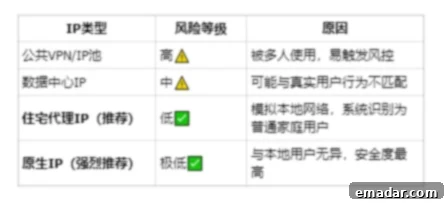
💡 Using exclusive residential IPs from reputable providers like IPFLY, available in regions such as the United States, Japan, and Canada, can effectively construct an authentic operational environment. Unlike shared IPs or data center IPs, residential IPs are associated with real homes and internet service providers, making your activity appear genuine. This drastically lowers your risk of being flagged by YouTube’s sophisticated anti-fraud systems, which scrutinize IP types and their associated reputation. A dedicated residential IP ensures that your online activities are not influenced by the potentially malicious actions of other users, isolating your channel from “bad neighborhoods.”
2. Maintain Account Environment Consistency: Browser Fingerprint, IP, and User Agent Must Remain Unified
For YouTube to trust your account, every aspect of your digital footprint should be consistent. This is especially crucial for managing multiple channels or maintaining a high level of security for a single channel.
We highly recommend using a fingerprint browser in conjunction with an independent static IP address to achieve the following:
- Isolated Account Environments: Each YouTube account should be operated within its own unique, isolated browser profile. A fingerprint browser creates a distinct digital identity (including browser type, version, operating system, plugins, screen resolution, and time zone) for each profile. This prevents any cross-contamination.
- Avoid Cookie Conflicts and Fingerprint Cross-Pollution: Without proper isolation, cookies, cache, and other browser data from one account can inadvertently affect another, leading YouTube to link seemingly unrelated accounts. Fingerprint browsers ensure that each account’s data and digital fingerprint are completely separate, making each appear as a distinct user.
- Enhance Account “Authenticity” and “Sustainability”: By maintaining a consistent browser fingerprint and IP address for each account, you present a highly believable user profile to YouTube. This consistent behavior signals genuine human activity, significantly boosting your account’s perceived authenticity and ensuring its long-term viability against automated detection systems.
3. Don’t Manipulate Data; Avoid Shortcuts for Growth
While the allure of rapid growth is strong, artificial boosts are counterproductive and dangerous. YouTube values genuine community building above all else.
Purchasing subscribers, views, or likes might show a temporary surge in numbers, but in the long run, such accounts are highly likely to be detected, have their artificial metrics purged, or even face permanent suspension. YouTube’s algorithms are designed to identify patterns of fake engagement. The platform places immense importance on authentic interaction quality – real watch time, genuine comments, and organic subscriber growth – not superficial data. Focus on creating valuable content that naturally attracts and retains an audience.
4. Ensure Your Video Content Strictly Complies with Guidelines; Don’t Challenge AI Red Lines
Content quality and compliance are fundamental. YouTube’s content review systems are constantly evolving and becoming more stringent.
- Avoid Unedited Re-uploaded Content: Do not attempt to bypass detection by simply re-uploading content you haven’t created or significantly transformed. This is a common violation leading to bans. YouTube values originality and added value.
- No Violative Websites, Watermarks, or External Links in Intros: Placing links to prohibited websites, using intrusive watermarks, or directing viewers to suspicious external links right at the beginning of your videos can instantly trigger YouTube’s moderation systems. Keep your content clean and focused on providing value within the platform.
- Steer Clear of AI Audio for Low-Quality “Spin-Off” Videos: While AI tools can be helpful, using them to generate large volumes of low-quality, “spun” content that lacks originality or genuine value will be detected as spam or deceptive practices. The platform is increasingly sophisticated; content must be authentic, high-quality, and genuinely engaging.
5. Absolutely Avoid Frequent IP or Device Changes
Inconsistency in your login patterns is a major red flag for YouTube’s security protocols.
- Erratic Geographic Shifts Trigger Risk Controls: Logging in with a Malaysian IP today and then switching to a Thai IP tomorrow, especially if done frequently, is highly suspicious. This erratic behavior mimics that of compromised accounts or bots attempting to evade detection. It almost guarantees that YouTube’s risk control systems will be triggered, leading to scrutiny or even a temporary lock.
- Recommendation: Fixed, Dedicated IPs for Security: To counteract this, it is highly recommended to choose a fixed, dedicated IP address. For instance, IPFLY’s static residential IPs offer this stability. By binding a specific, unchanging IP to your YouTube account, your daily operations appear consistent and trustworthy. This static nature provides a stable digital home for your channel, significantly enhancing security and minimizing the chances of triggering automated fraud detection systems.
6. Timely Appeal Can Sometimes “Bring Accounts Back to Life”
If you genuinely believe your account was banned in error, there is a formal appeals process.
- How to Appeal: You can submit an appeal through the YouTube Help Center or the email notification you received about your suspension. It’s crucial to be concise, factual, and polite.
- Key Points for Your Appeal: Clearly state that you did not violate YouTube’s community guidelines, explain why you believe your account was mistakenly judged, and emphasize your genuine intention and investment in operating the channel responsibly. Provide any evidence or context that might support your claim, such as proof of ownership, content creation process, or past compliance.
While the success rate is not exceptionally high, those who present a sincere appeal with a reasonable explanation have indeed managed to successfully “resurrect” their channels. Persistence and clear communication are key. Even if your initial appeal is rejected, carefully review the reasons given and consider if you have additional information to provide for a second attempt, if allowed.
Summary: For YouTube Operations, Your IP Environment is an Unseen Lifeline!
To keep your YouTube account safe from bans, it’s undeniable that your content must be compliant and engaging. However, the underlying logic, the invisible “account environment,” is just as critical, if not more so. It forms the foundation of your channel’s security and trustworthiness in the eyes of YouTube’s sophisticated systems.
Consider these foundational principles for a robust account environment:
- Dedicated IP > Shared IP: An exclusive IP ensures that your online reputation is solely your own, not affected by the actions of others. It presents a consistent, legitimate identity to YouTube.
- Residential/Native Proxies > Data Center IPs/VPNs: Residential proxies mimic real home users, making your activity appear natural and significantly reducing the likelihood of being flagged as suspicious, unlike easily detectable data center IPs or overused VPNs.
- Stable Environment + Single Account per Browser Profile + Geographic Consistency: This trifecta of consistency—using a reliable, static IP, isolating each account within a dedicated browser profile, and maintaining a consistent geographic location—is crucial. It builds a digital footprint that YouTube trusts.
Adhering to these principles will maximize your ability to mitigate risk, avoid triggering automated security systems, and protect your valuable channel assets for stable and sustained growth. Don’t let your hard work be undone by neglecting this critical aspect of digital identity management.
IPFLY Overseas Residential Proxy IPs are specifically designed to meet these stringent requirements, offering a robust solution for YouTube creators and businesses:
- Extensive Coverage: IPFLY provides residential IPs across popular countries like the US, UK, Japan, and Thailand, giving you the flexibility to choose a location that best suits your target audience and operational needs.
- Exclusive Static & Native IPs: Benefit from dedicated static IPs that remain constant, enhancing trust and stability. Their native IP nature means they are directly allocated by ISPs to residential users, making them indistinguishable from regular home internet connections.
- Fingerprint Browser Compatibility: Seamlessly integrates with popular fingerprint browsers, allowing you to manage multiple YouTube accounts with unique digital footprints, preventing cross-contamination and increasing overall account security. Ideal for long-term operations on platforms like YouTube, TikTok, and more.
📌 Building a successful YouTube channel is a challenging endeavor; don’t let an overlooked “IP environment” quietly sabotage your efforts. Your digital identity is as crucial as your content.
Register now and experience the magic of ‘local IPs’: smooth traffic without interruptions, and freedom from constant scrutiny by risk control systems. Secure your YouTube future today!