The field of artificial intelligence image generation is experiencing an unprecedented surge in innovation, and OpenAI’s latest advancements in image creation and modification capabilities undoubtedly represent a significant leap forward. While AI-powered image generation platforms, such as Midjourney and earlier iterations of DALL-E, have allowed users to generate stunning visuals from textual prompts for several years, the introduction of ChatGPT-4o takes this technology to a new level of accessibility and control. This cutting-edge model not only excels at generating novel images but also possesses the remarkable ability to upload existing pictures and transform them into a specific artistic style with remarkable fidelity.
As AI tools like ChatGPT-4o become more integral to creative and professional workflows, many users are discovering the necessity of leveraging proxy IPs to ensure smooth, unrestricted access. Navigating the digital landscape to fully utilize these powerful AI platforms often involves overcoming geographical barriers and maintaining anonymity. What was once a challenging endeavor, akin to “climbing a ladder to pluck stars,” has now been simplified to “using an IPFLY proxy to effortlessly access GPT.” This technological synergy is a testament to how advancements, both in AI and network infrastructure, are collectively empowering individuals and liberating creative potential in ways previously unimaginable.
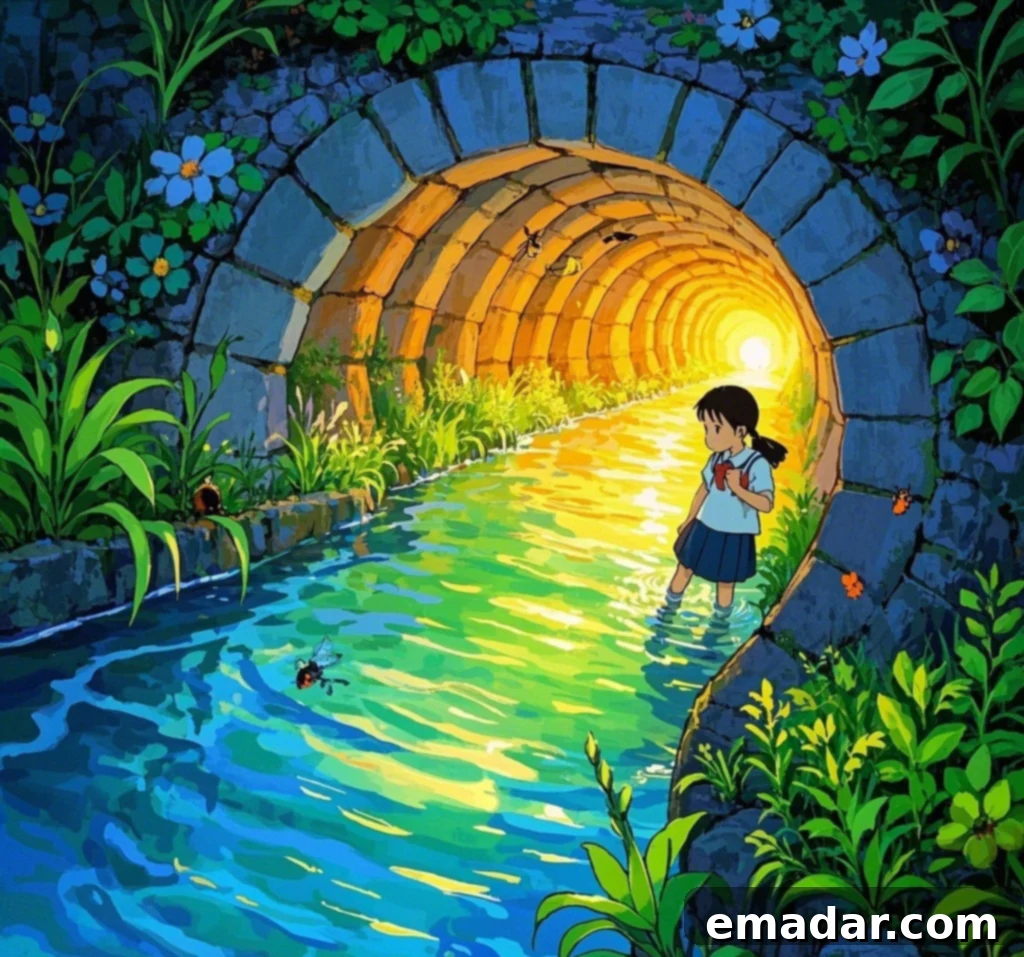
However, this rapid technological advancement has also ignited a disconcerting trend across the internet: the conversion of personal photographs, and even valuable NFT artworks, into the distinct style of Studio Ghibli. Studio Ghibli, renowned globally for its unparalleled animation aesthetics, intricate storytelling, and deep emotional resonance, has long held a sacred place in the hearts of animation enthusiasts and artists alike. Its unique visual language, characterized by a blend of hand-drawn charm, ethereal landscapes, and expressive characters, was once considered almost impossible to perfectly replicate. Yet, artificial intelligence is now challenging this very notion, delivering a profound blow to the sensibilities of countless animation lovers and creative professionals who cherish the studio’s artisanal heritage.
Hayao Miyazaki, the visionary co-founder and spiritual beacon of Studio Ghibli, has consistently voiced his unequivocal opposition to the application of artificial intelligence in animation. His sentiments are well-documented, famously stating, “I strongly resent it. I would never want to use this technology in my own work. I strongly feel that this is an insult to life itself.” Miyazaki’s stance resonates deeply with many practitioners in the animation industry and the broader artistic community, who view AI’s encroachment as a fundamental desecration of the essence of artistic creation—a process that has traditionally been rooted in human imagination, skill, and laborious dedication. They argue that true art stems from human experience, emotion, and the unique imperfections that define individual style, elements that AI, by its very nature, struggles to genuinely embody.
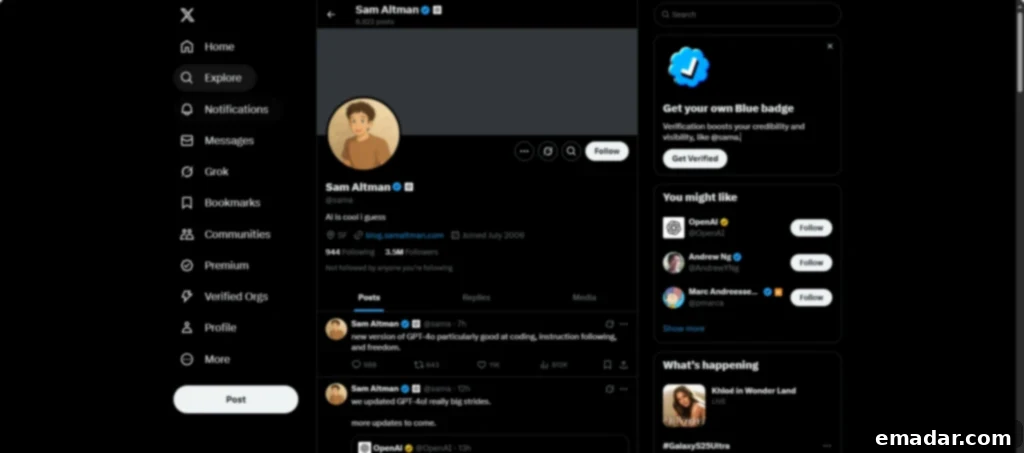
Despite these profound ethical concerns, the reality on the ground continues to shift. Sam Altman, CEO of OpenAI, even went so far as to replace his own profile picture with an AI-generated Ghibli-style self-portrait, a move that inadvertently fueled the rapid proliferation of this trend. While OpenAI is acutely aware of the potential ethical quagmires and has attempted to implement safeguards, such as preventing users from directly prompting for “Studio Ghibli style” images, the ingenuity of users consistently finds ways to circumvent these restrictions. The creative community finds itself in a complex dilemma: celebrating technological prowess while simultaneously grappling with its ethical implications, especially when the line between inspiration and imitation blurs.
On a purely technical level, OpenAI’s advancements in image generation and modification are nothing short of breathtaking. While the internet is currently awash with a significant volume of low-quality, AI-generated imagery, which might lead some to dismiss the technology, it would be a critical oversight to deny the immense potential this technology holds. The ability to instantly translate concepts into visual forms, to iterate rapidly, and to bring imaginative ideas to life with unprecedented speed is genuinely revolutionary. However, from a creative, ethical, and artistic perspective, this accelerating trend gives rise to significant apprehension. Artificial intelligence is steadily encroaching upon and redefining traditional creative domains, causing considerable distress among artists, animators, and writers. Yet, the anguish of these creators might not be the most decisive factor in shaping the future landscape.
The true societal impact stems from the countless users who are now creating and sharing Ghibli-style memes and personalized avatars online. These users, often unburdened by traditional artistic training or ethical considerations, find the AI-generated images “good enough”—a phrase that carries immense weight as it implies that AI output can adequately substitute for human creativity. This acceptance of “good enough” is particularly alarming because artificial intelligence is continually evolving, becoming increasingly sophisticated, realistic, and indistinguishable from human-made art. The line between synthetic and authentic is blurring at an alarming rate, posing fundamental questions about originality, copyright, and the intrinsic value of human artistic effort.
As a devoted admirer of Studio Ghibli and a passionate advocate for animation and art in its broadest sense, witnessing this unfolding scenario brings a profound sense of sadness and disillusionment. The once-clear conviction to actively resist this burgeoning trend appears to be diminishing with each passing day. The relentless pace of AI development is not merely enhancing existing tools; it is fundamentally reshaping the very fabric of the creative landscape, challenging long-held beliefs about artistic ownership, originality, and the human touch. We are compelled, now more than ever, to critically examine the far-reaching implications of this technology and to actively strive to preserve the inherent essence and enduring value of art, not just for today but for generations to come. The conversation must extend beyond mere technical feasibility to encompass a deeper philosophical inquiry into what it means to create and appreciate art in an increasingly automated world.
In summation, OpenAI has, intentionally or not, opened a Pandora’s Box in the realm of image generation. What has been unleashed is not merely the immense power of technology, but also a complex array of challenges to artistic ethics, intellectual property, and the future ecosystem of human creativity. The rapid democratization of advanced stylistic replication raises urgent questions: How should we, as a global society and as individual creators and consumers, respond to these profound shifts? How do we balance technological progress with the preservation of artistic integrity and human ingenuity? These are critical questions that demand thoughtful consideration and proactive engagement from every one of us, for the choices we make today will irrevocably shape the artistic landscape of tomorrow.
Are you eager to fully utilize the power of advanced AI tools like GPT without hindrance? Look no further than IPFLY Global Proxies! We offer an expansive network of IP resources spanning over 190 regions worldwide, specifically designed to empower you with seamless access to AI tools, helping you unlock your creative potential and enhance productivity. With IPFLY, geographical restrictions and connectivity issues become a thing of the past, allowing you to focus on innovation and creation.
Haven’t experienced the transformative capabilities of GPT yet? Now is the perfect time to start your journey into the future of AI-powered creation and discovery!
How Can a Proxy IP Enhance Your ChatGPT-4o Experience?
Utilizing a proxy IP offers a multitude of advantages that can significantly improve your interaction with powerful AI platforms like ChatGPT-4o, ensuring a more consistent, secure, and flexible experience. Here’s a breakdown of the key benefits:
Multi-Account Management: For users who need to operate and manage multiple ChatGPT-4o accounts simultaneously, using distinct proxy IPs for each account is crucial. This strategy prevents accounts from being linked or flagged by AI service providers, which might otherwise occur if all accounts originate from the same IP address. It’s an essential tool for agencies, researchers, or businesses that require separate access points for different projects or clients, ensuring operational autonomy and reducing the risk of account suspension.
Bypassing Geo-Restrictions: ChatGPT-4o, like many other advanced AI services, may have geographical access restrictions, making it unavailable in certain countries or regions due to regulatory frameworks, licensing agreements, or developmental priorities. A reliable proxy IP allows you to route your internet traffic through a server located in an unrestricted region. This makes it appear as if you are accessing the service from an authorized location, effectively bypassing these geographical barriers and granting you universal access to AI capabilities, no matter where you are physically located.
Enhanced Privacy and Anonymity: In an era where digital privacy is paramount, using a proxy IP serves as a vital shield for your online activities. It masks your true IP address, replacing it with the IP address of the proxy server. This significantly enhances your privacy, making it exceptionally difficult for third parties, including service providers, advertisers, or potential malicious actors, to track your online movements or identify your geographical location. This added layer of anonymity ensures that your interactions with AI tools remain confidential and secure.
Optimizing Access Speed and Reducing Latency: While often associated with security, proxies can also play a role in optimizing connection speed. By selecting a proxy IP server that is geographically closer to ChatGPT-4o’s data centers, you can potentially reduce network latency. This is particularly beneficial in situations where your local network is congested, or if there’s a significant distance between your physical location and the AI server. A well-chosen proxy can lead to faster response times from the AI, creating a smoother and more efficient user experience, which is crucial for real-time interactions and demanding workloads.
Preventing IP Bans and Re-establishing Access: Frequent or intensive usage, or even accidental violations of terms of service, can sometimes lead to your primary IP address being temporarily or permanently blocked by AI service providers. If your IP has been restricted, using a proxy IP allows you to obtain a new, unblocked IP address. This enables you to regain immediate access to ChatGPT-4o and continue your work without interruption. It acts as a safety net, ensuring continuity of service even in the face of unforeseen network or access issues.