

The landscape of artificial intelligence image generation is undergoing a rapid and transformative evolution. OpenAI’s latest advancements, particularly through models like GPT-4o, represent a monumental leap forward, making sophisticated image creation and modification more accessible than ever before. While AI-powered visual synthesis has been available for several years through platforms such as Midjourney and DALL-E, allowing users to generate images from textual prompts, GPT-4o significantly enhances convenience and control. Its capabilities extend beyond mere image generation; it empowers users to upload existing images and seamlessly transform them into a myriad of distinct artistic styles, unlocking unprecedented creative potential for digital artists and enthusiasts alike.
As these advanced AI tools become integral to workflows and creative endeavors, many individuals are leveraging proxy IPs to ensure smooth, uninterrupted, and optimized access to platforms like ChatGPT-4o. Navigating the digital world to harness the full power of AI often requires overcoming various digital barriers, and proxy services like IPFLY are emerging as essential conduits. They enable users to effortlessly access and utilize these cutting-edge AI technologies, fundamentally liberating productivity and fostering innovation. The synergy between powerful AI models and reliable proxy solutions is redefining how we interact with digital content and create new visual experiences.

A recent and increasingly prevalent trend sweeping across the internet involves the conversion of personal photographs, and even valuable NFT artwork, into the distinctive aesthetic of Studio Ghibli. Studio Ghibli, renowned globally for its unique animation style characterized by whimsical charm, intricate details, and profound emotional depth, has long been considered an inimitable artistic domain. Its visual language, a cornerstone of animated storytelling, was previously thought to be impervious to perfect replication. However, the advent of advanced artificial intelligence is now challenging this deeply held belief. This capability, while technologically impressive, has stirred considerable disquiet among countless animation enthusiasts and established artists, many of whom perceive it as a profound blow to the essence of human creativity and artistic originality.
The esteemed co-founder of Studio Ghibli, Hayao Miyazaki, has consistently voiced his unequivocal opposition to the integration of artificial intelligence within the realm of animation. His stance is not merely a preference but a deep-seated philosophical objection, eloquently articulated in his declaration: “I strongly resent it. I would never wish to use this technology in my work. I feel that it is an insult to life itself.” Miyazaki’s powerful sentiment resonates deeply within the animation industry and the wider artistic community, serving as a poignant representation of the concerns held by many creative professionals. They view the burgeoning capabilities of AI in art generation not as a tool for enhancement, but as a potential erosion of the very soul of artistic endeavor, threatening the unique human touch that defines genuine creative expression.
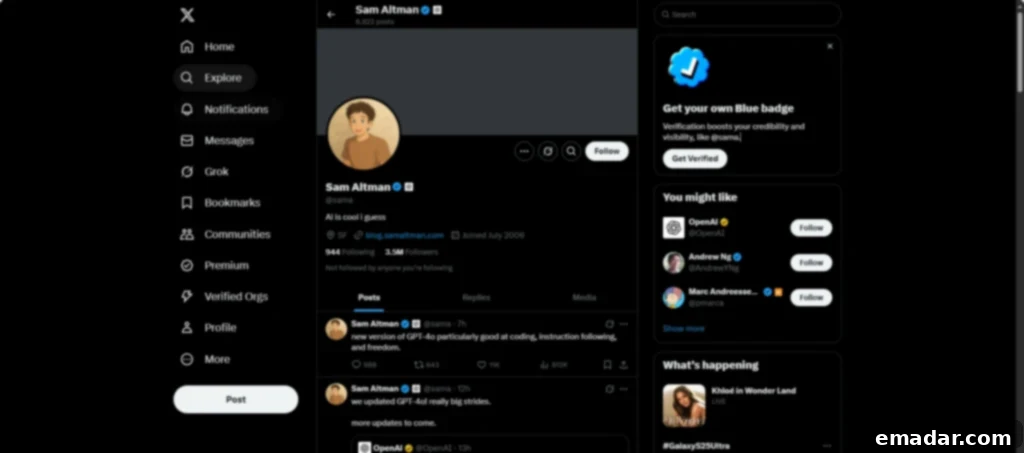
Despite these profound ethical and artistic reservations, the digital reality is unfolding at an unrelenting pace. Sam Altman, the CEO of OpenAI, himself adopted a Ghibli-style self-portrait as his avatar, a move that inadvertently amplified the trend’s dissemination and normalized the AI-driven style conversion. OpenAI, cognizant of the potential controversies and ethical quandaries its technology might unleash, has attempted to implement certain safeguards. For instance, the platform reportedly restricts direct prompts that explicitly request “Studio Ghibli style” image generation. Nevertheless, the ingenuity of users and the inherent flexibility of AI systems often mean that there are numerous indirect or subtle methods through which these limitations can be circumvented, underscoring the ongoing challenge of governing and guiding AI’s creative applications.
Undeniably, OpenAI’s groundbreaking image generation and modification technology is a marvel from a purely technical standpoint. The sophistication of the underlying algorithms and the speed at which AI models can synthesize complex visual data are astonishing. While it is true that the internet is currently awash with a significant volume of low-quality or stylistically crude AI-generated art, it would be an oversight to dismiss the immense potential inherent in this rapidly evolving technology. However, when viewed through the critical lenses of creativity and ethics, this pervasive trend towards AI art generation, particularly style transfer, raises considerable alarm. Artificial intelligence is steadily encroaching upon domains traditionally reserved for human ingenuity, and while artists, animators, and writers may voice their deep-seated distaste, their perspectives, regrettably, may not always be the decisive factor in shaping the future of the creative industries.
The true and perhaps more insidious impact stems from the burgeoning community of users who readily create and share Ghibli-style memes and personalized artworks across various online platforms. For many within this demographic, AI-generated images are perceived as “good enough,” a readily available and convenient substitute that, in their view, can effectively replace human-created art. This perception is particularly troubling as AI-generated visuals are becoming progressively more sophisticated, realistic, and increasingly difficult to distinguish from authentic human artistic output. The blurring lines between human and artificial creativity pose a significant challenge to the intrinsic value and uniqueness of traditional art forms, pushing us into uncharted territory regarding artistic authenticity and appreciation.
As an ardent admirer of Studio Ghibli’s masterpieces and a fervent devotee of animation and art in its broadest sense, witnessing this unfolding scenario brings a profound sense of anguish. The initial impulse to actively resist this powerful current of AI-driven creativity often feels like a losing battle, rapidly fading in the face of relentless technological advancement. The exponential growth of artificial intelligence is fundamentally reshaping the creative landscape, challenging long-held conventions and pushing the boundaries of what is possible. It is imperative that we, as a global society, engage in deep, critical introspection regarding the far-reaching implications of these developments. We must strive to strike a delicate balance between embracing technological innovation and safeguarding the intrinsic essence, value, and unique spirit of human artistry for generations to come.
In conclusion, OpenAI’s powerful image generation capabilities have, in essence, opened a Pandora’s Box. This act has not only unleashed an unprecedented torrent of technological prowess but has also simultaneously presented profound challenges to long-established artistic ethics and the very foundation of our future creative ecosystem. The questions it poses—how we will adapt, redefine, and preserve human creativity in an age of artificial intelligence—are multifaceted and complex. These are not merely academic inquiries; they are urgent considerations that demand thoughtful deliberation and proactive engagement from every individual who values art, innovation, and the future of human expression. The journey ahead requires collective wisdom to navigate this brave new world where technology and art converge.
For those eager to harness the full potential of advanced AI tools like ChatGPT-4o without encountering geographical restrictions or connectivity issues, embracing reliable proxy services is a strategic move. IPFLY Global Proxy Provider offers an extensive network of IP resources spanning over 190 regions worldwide, providing seamless access and unparalleled freedom in utilizing cutting-edge AI. By leveraging IPFLY, users can bypass digital barriers, maintain online privacy, and optimize their experience, ensuring that creative inspiration and productivity are never hampered by technical limitations. Explore the possibilities and unleash your creativity with the power of AI, supported by a robust and global proxy infrastructure. Haven’t tried GPT yet? Now’s the perfect time to begin your journey!
How Proxy IPs Enhance Your ChatGPT-4o Experience
Proxy IPs offer a versatile and indispensable toolkit for optimizing your interaction with advanced AI platforms like ChatGPT-4o, ensuring a smooth, secure, and unrestricted user experience. From bypassing geographical limitations to managing multiple accounts and protecting your online identity, the strategic deployment of proxy servers elevates your AI engagement significantly. Understanding these benefits is key to unlocking the full potential of your AI tools and maintaining digital flexibility in an increasingly interconnected world.
Multi-Account Management: For users who need to operate and manage several ChatGPT-4o accounts concurrently, the use of distinct proxy IPs is paramount. Attempting to access multiple accounts from a single, consistent IP address often triggers security protocols or usage restrictions, leading to account flagging, temporary suspensions, or even permanent bans. By routing each account through a unique proxy IP, you effectively isolate their digital footprints, preventing platforms from linking them together. This strategy is vital for businesses, researchers, or power users who require separate accounts for different projects, teams, or client interactions, ensuring operational continuity and compliance with platform terms without risking unwarranted association or disruption.
Bypassing Geo-Restrictions: ChatGPT-4o, like many cutting-edge online services, may be subject to regional access restrictions, making it unavailable in certain countries or geographical areas due to licensing, regulatory, or operational reasons. A proxy IP serves as a digital intermediary, allowing you to route your internet traffic through a server located in a region where access to ChatGPT-4o is permitted. This effectively masks your actual location, making it appear as if you are accessing the service from an authorized territory. Consequently, proxy IPs provide a vital gateway, enabling users from restricted regions to seamlessly bypass these geographical barriers and fully leverage the advanced capabilities of AI tools, democratizing access to global innovation.
Hiding Real IP Address: In an era of increasing digital surveillance and data collection, protecting your online privacy is more crucial than ever. Using a proxy IP effectively conceals your actual IP address, which is your device’s unique identifier on the internet. Instead of your real IP, the AI platform and any other online services you interact with will only see the IP address of the proxy server. This enhanced anonymity safeguards your privacy, prevents unwanted tracking by third parties, and mitigates the risk of being identified or targeted based on your online activities. It provides a crucial layer of security, allowing you to interact with AI tools and the wider internet with greater peace of mind regarding your personal data and digital footprint.
Improving Access Speed and Stability: The physical distance between your location and the ChatGPT-4o servers can significantly impact data transfer speeds and overall responsiveness. By carefully selecting a proxy IP server that is geographically closer to the AI platform’s data centers, you can often reduce latency and improve connection speeds. This optimization is particularly beneficial during peak usage times when network congestion might otherwise slow down your access. Furthermore, a stable proxy connection can help circumvent local network bottlenecks or routing issues, leading to a more consistent and fluid user experience. This translates to faster prompt processing, quicker image generation, and a generally more efficient interaction with ChatGPT-4o, maximizing your productivity and minimizing frustrating delays.
Avoiding IP Blocks and Maintaining Continuity: Persistent or unusually high volumes of requests from a single IP address can sometimes trigger automated security systems on platforms like ChatGPT-4o, leading to temporary or permanent IP blocks. This can also occur if an IP address is associated with perceived violations of terms of service. Employing a rotating pool of proxy IPs allows you to dynamically change your IP address, preventing any single IP from being flagged or blocked due to intensive use. If one proxy IP does get blocked, you can seamlessly switch to another, ensuring uninterrupted access to the AI service. This flexibility is indispensable for professionals and organizations reliant on continuous access to AI tools for critical operations, guaranteeing ongoing productivity and avoiding disruptive service interruptions.
In essence, integrating proxy IP solutions like those offered by IPFLY transforms the user experience for ChatGPT-4o, making it more accessible, secure, and efficient. These benefits collectively empower users to navigate the complexities of digital access, ensuring that the full creative and analytical power of AI is always within reach, regardless of geographical or technical constraints.